Tesla’s push to build robots at scale has reached the factory floors of its Chinese suppliers. A Tesla team landed in Ningbo on September 16 and began a new round of mass-production audits the following day, according to people in the supply chain, with the work aimed squarely at the company’s Optimus humanoid robot.
The audits are the latest stage in a program that the supply chain had been told to expect. People familiar with the plans said earlier that Tesla would begin a fresh round of reviews in September, focused on the exclusivity and consistency needed for Optimus mass production. The company is also helping suppliers debug equipment and migrate the manufacturing capability it built at its American factories to Chinese plants.
The stakes were raised before the team even arrived. This round of audits will lead directly to Optimus mass production, according to the people, and Tesla has already placed orders with suppliers. The shift from testing to ordering marks the point where a research program becomes an industrial one, with volume commitments that suppliers must be able to meet.
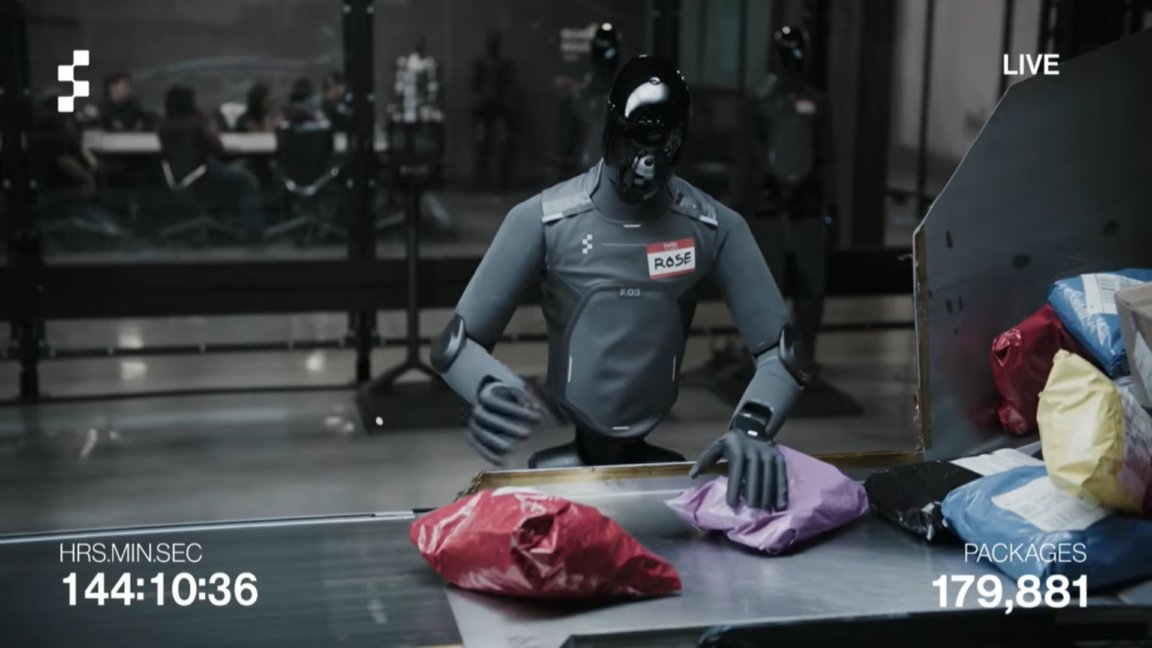
The target Tesla has set is substantial. The company plans to produce roughly 50,000 Optimus robots in 2026 and deploy them across its Gigafactories around the world. The number, if reached, would make Optimus one of the largest humanoid robot fleets in existence, even though every unit would be doing factory work rather than serving a consumer market.
Ordinary customers still have no way to buy an Optimus. There is no retail channel, no price list, and no delivery date for a consumer version. The robot remains, for now, a tool Tesla is building for itself, a labor platform intended to handle the repetitive work of its own factories before it is ever offered to outside buyers.
The Chinese supply chain sits at the center of that plan. Tesla has spent years building a network of suppliers in China for its vehicles, and the same network is now being asked to produce the actuators, sensors, and structural parts that go into a humanoid robot. The audits are a way of confirming that those suppliers can meet Tesla’s requirements for volume and consistency on a new product line.
Consistency is the harder test. A car that varies slightly from unit to unit is an inconvenience; a robot arm with slight differences in its joints behaves differently under load. Tesla’s insistence on exclusivity and consistency in the audits reflects the precision a walking, grasping machine demands compared with a vehicle.
The audit process is also a transfer of knowledge. The people described Tesla helping suppliers adjust their equipment, an unusual degree of hands-on involvement that suggests the company wants its manufacturing methods reproduced faithfully rather than approximated. Tesla’s American factories have built the process; the Chinese suppliers are being asked to replicate it.
Optimus has been a fixture of Tesla’s ambitions since Musk first showed a prototype in 2022, and the company has repeatedly described the robot as potentially larger than its vehicle business. The intervening years have been spent moving the robot from demonstration to production, a path that runs through the Chinese suppliers now being audited.
The humanoid robot field has grown crowded, particularly in China, where a cluster of companies is racing to produce general-purpose robots for factories. Tesla’s approach differs in scale and in the decision to build the first large fleet for its own use, treating the robot as a means of manufacturing efficiency before it becomes a product. The audit program is the mechanism by which that self-deployment becomes possible.
Consistency is the harder test for a robot than for a car. A walking, grasping machine with slight differences in its joints or actuators behaves differently under load, and a production line of robots must move identically to be useful. Tesla’s emphasis on exclusivity and consistency in the audits reflects that requirement, and it is why the company is helping suppliers adjust their equipment rather than simply placing orders and waiting for delivery.
The 50,000-unit target for 2026 would make Optimus one of the largest humanoid robot programs in existence, and the company has framed the factory deployment as the first phase of a much larger ambition. Tesla has said the robot could eventually be offered to outside buyers and, further out, could become a bigger business than cars, a claim that will be tested first on its own assembly lines.
Tesla has not commented publicly on the audits or the orders. The company has described Optimus as a long-term bet with the potential to eventually become larger than its vehicle business, but it has been measured about near-term production targets. The 50,000-unit plan for 2026, if it holds, would be a significant step toward turning that bet into an assembly line.