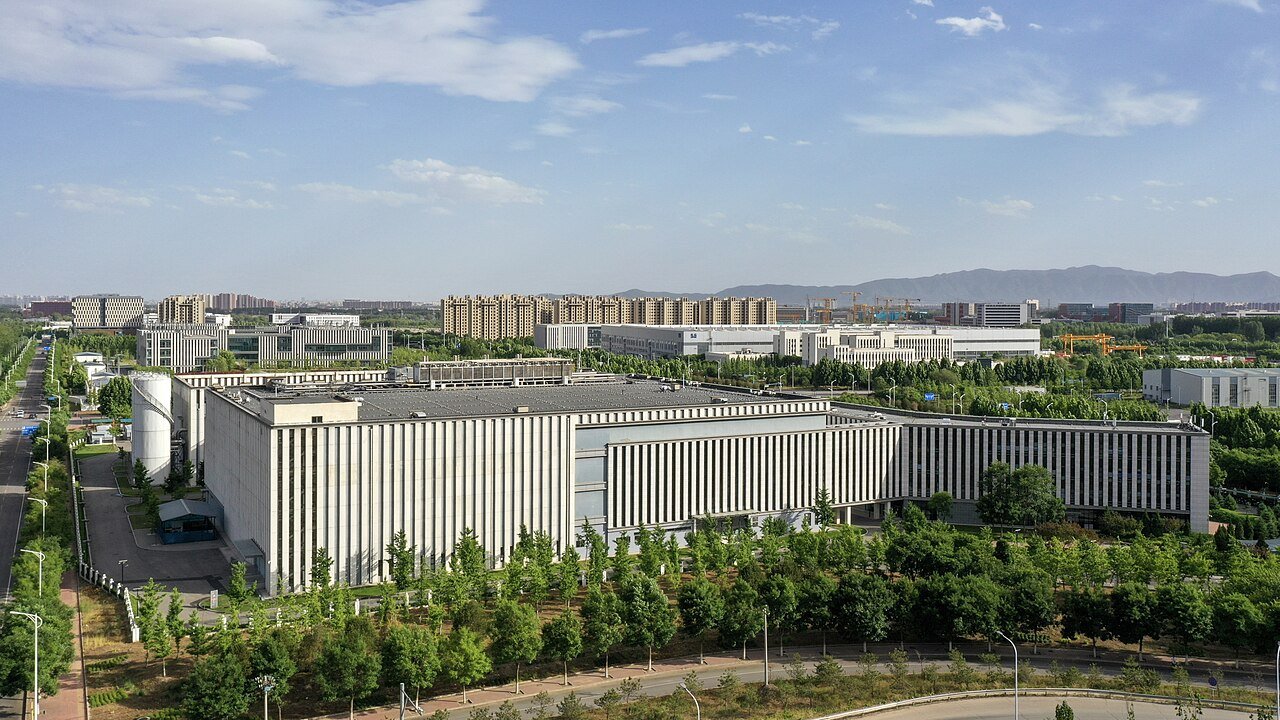
The market’s appetite for artificial-intelligence infrastructure has now been measured in the debt markets, and the number surprised even the bankers who arranged the deal. CleanSpark, through its subsidiary CSDC Finance I, priced $2.276 billion of senior secured notes this week to fund a 175-megawatt AI data center in Sandersville, Georgia, and investors placed orders for roughly $10 billion, more than four times what was on offer.
The notes, which mature in 2031, were sold at 98.5 cents on the dollar to yield 8.25 percent, a spread of about 175 basis points over the average for BB-rated corporate debt. Morgan Stanley led the sale, which is scheduled to settle on September 25. It is the first high-yield bond backed by a data center leased to Meta, and the demand for it says something about how investors have come to view AI computing as a distinct asset class.
The centerpiece of the deal is the lease, not the building. The Sandersville campus is being leased by Anviran LLC, a Meta subsidiary, under a 20-year triple-net lease worth $6.6 billion in total rent. Under that structure, the tenant pays taxes, insurance, and maintenance, leaving the landlord with a long, largely fixed income stream and one of the world’s largest companies on the other side of the contract.
The project is expected to come online in the fourth quarter of 2027, and the financing has been arranged years ahead of that date. That timing is itself a statement about how quickly data center developers are being forced to move: land, power, and capital are all being locked up long before a single server is installed, because the companies that need the capacity are willing to commit to it years in advance.
The yield tells a story of rising costs. At the start of the year, similar projects with investment-grade tenants could be financed at yields below 6 percent. Less than a year later, the same kind of deal commands more than 8 percent, even with a tenant as strong as Meta. The spread has widened as the supply of AI data center paper has grown, and as investors have begun to ask harder questions about power availability, construction risk, and the durability of the demand.
CleanSpark is best known as a bitcoin miner, and its move into AI data centers mirrors a wider shift among companies that once mined cryptocurrency. The miners found themselves sitting on power contracts, substations, and land that were suddenly worth far more to AI developers than to mining operations, and many have pivoted toward hosting AI workloads or building the facilities that house them.
The Sandersville project converts that real estate and power advantage into a long-dated, investment-grade-quality cash flow, then finances it with high-yield debt priced above the corporate average. The result is a margin opportunity for the developer and a new kind of credit risk for bond buyers, one tied to the fortunes of a single tenant and a single site rather than a diversified portfolio.
For Meta, the arrangement is a way to secure capacity without tying up its own balance sheet in real estate. The company has committed to an enormous buildout of computing infrastructure, and triple-net leases let it pay for that capacity over two decades while the developer raises the capital to build it. The rent is fixed, which protects Meta from the cost inflation now sweeping the construction and power markets.
The deal is likely to be the first of many. Wall Street bankers have spent the past year assembling financing vehicles for AI data centers, and the bond market has become the preferred outlet because it can absorb the size of the checks involved. A single campus now routinely requires billions of dollars, a scale that only the public debt markets can comfortably supply.
What the oversubscription shows is that demand for the paper is not the problem. Investors are willing to lend to AI infrastructure at these yields, and the order book for the CleanSpark deal suggests they would lend a good deal more. The question the market is now pricing is how much it should charge for the risks that come with betting on a single tenant and a technology whose economics are still being proven.
Sandersville, a small city in rural Georgia, has been drawn into a wider buildout of computing campuses across the American Southeast, where cheap power and open land have made the region a magnet for data center developers. Local grid operators have scrambled to keep pace with the volume of requests for new electrical connections, and the projects have begun to reshape economies built for decades around agriculture and light industry.
The widening spread over the course of the year is the number that captures the shift. AI infrastructure has gone from a niche that could borrow cheaply on the strength of a blue-chip tenant to a crowded trade that must pay up to attract capital. The Sandersville deal cleared the market easily, but at a price that reflects how much has changed since January.