Donald Trump has decided that the problem with artificial intelligence begins with the name itself. In a post on Truth Social on September 19, the former president called the term “Artificial Intelligence” inaccurate and deeply inelegant, and he opened a poll offering his followers three replacements: Superior Intelligence, Extreme Intelligence, and Supreme Intelligence.
The poll drew quick participation. By Forbes’ count, nearly thirty thousand people had voted within the first hour, with Superior Intelligence leading at roughly 42 percent. The exercise had the feel of the branding contests Trump has run for decades, applied to a technology whose nomenclature has been settled since the field’s founding conference in the 1950s.
The renaming was only one item in the post. Trump also announced that he would create an “AI Force,” modeled on the Space Force he established during his presidency, and that he would soon appoint an AI czar to lead it. The framing borrows from the national-security vocabulary that has defined his approach to government, treating the technology as a domain to be commanded rather than a market to be regulated.
His pledge to the industry was explicit: “I will never in any way hinder the growth of this incredible industry.” The promise is aimed at the companies and investors who have built the AI boom, and it draws a sharp contrast with the regulatory posture of his rivals, who have pressed for safety standards and oversight of the most powerful models.
On the risks that dominate the public debate, Trump was dismissive. The concerns about AI running beyond human control, and the local backlash against the data centers that power the technology, are in his telling “a hoax fabricated by the radical left to destroy this country.” The statement collapses a complex set of policy questions into a single political claim, and it signals that a second Trump administration would treat AI safety regulation as an opponent rather than a project.
The idea of an AI czar is not new to Trump’s circle. He appointed David Sacks to a similar role during his campaign and first term, a position meant to coordinate policy across agencies and keep the government from slowing the industry down. The czar he is now promising would sit atop a more formal structure, the AI Force, and would carry the authority to set direction across whatever parts of the government touch the technology.
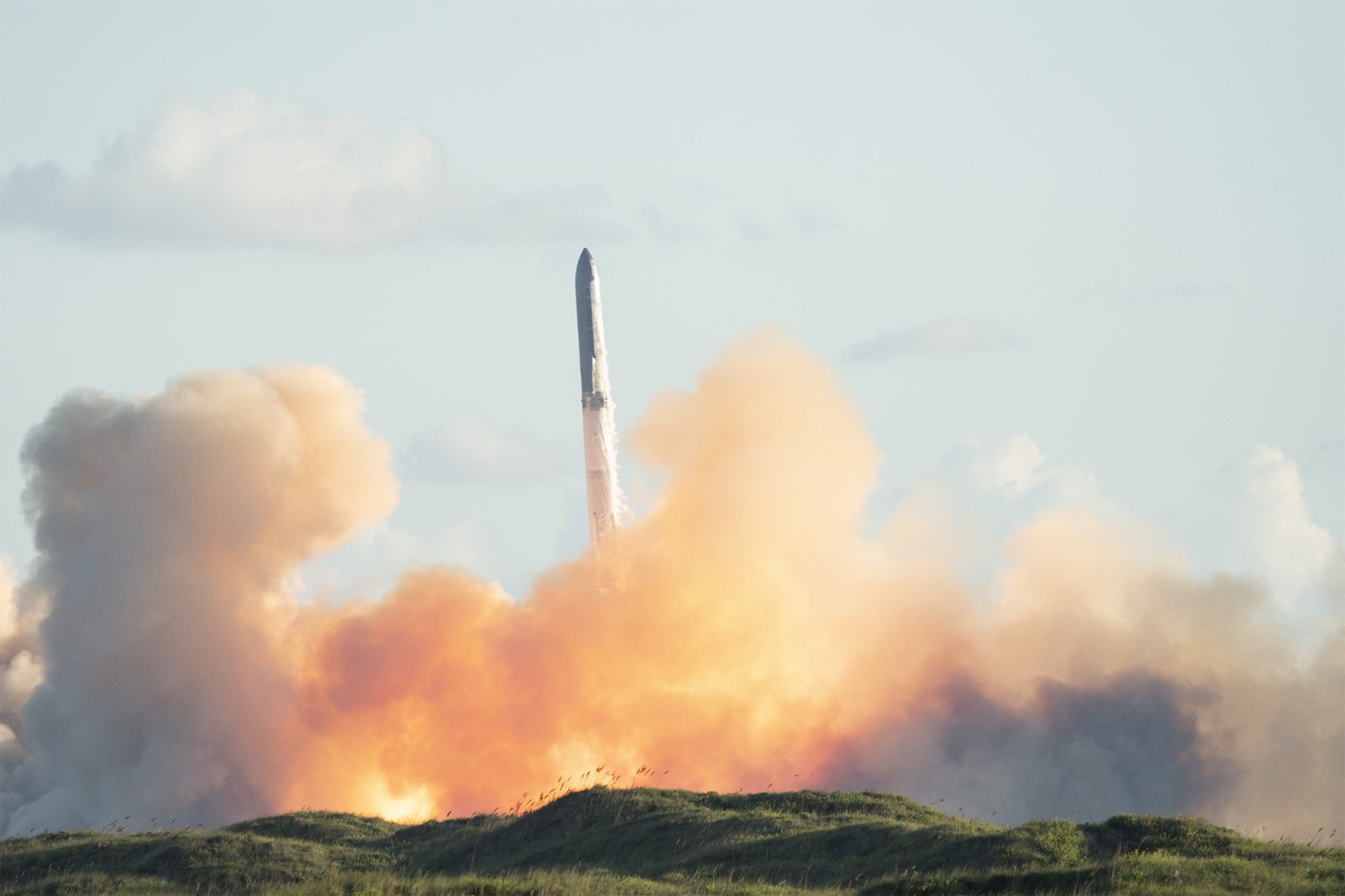
The Space Force comparison is instructive. That service was created in 2019 as the first new military branch in more than seventy years, and it gave Trump a concrete institutional legacy in a domain he believed had been neglected. An AI Force would apply the same template to artificial intelligence, elevating the technology to the status of a strategic frontier worth organizing the government around.
The naming poll, whatever its outcome, is unlikely to change what the technology is called. “Artificial intelligence” is embedded in law, in the names of the companies that build it, and in the contracts that govern it, and a rebranding from the White House would not reach the thousands of products and statutes that use the term. The poll’s real function is to frame the issue as Trump’s to define.
The broader message of the post is that a second Trump administration would treat the AI industry as an ally to be defended rather than a risk to be managed. The promise not to hinder growth, the dismissal of safety concerns as a political hoax, and the creation of a national-security apparatus all point in the same direction: maximum speed, minimal friction.
That posture has already put Trump at odds with the leaders of the companies themselves. Executives at the major AI labs have called for exactly the kind of oversight Trump is mocking, arguing that the technology is powerful enough to warrant rules. Trump’s answer is that the calls for caution are themselves the threat.
Trump’s first administration created the Space Force in 2019, the first new military service since the Air Force was established in 1947, and the move was widely dismissed at the time as a rebranding of existing space programs. It has since become a permanent fixture, and an AI Force would follow the same pattern, gathering under one banner functions now scattered across agencies.
The promise not to hinder the industry is aimed at a specific audience. The major AI companies have spent billions building data centers and have pushed for fast permitting and reliable power, while some states and localities have moved to slow construction. Trump is telling those companies that the federal government, under his direction, would be an accelerant rather than a brake.
The poll will close, a name may or may not be declared, and the AI Force will either come into being or remain a proposal. What the post establishes is the shape of the debate as Trump intends to have it: not whether AI should be regulated, but whether anyone who wants it regulated should be believed.