NASA added three astronaut missions to its contract with SpaceX on September 18, a modification covering the Crew-15, Crew-16, and Crew-17 flights to the International Space Station. The award, worth $946 million, lifts the total value of SpaceX’s commercial crew contract to $5.92 billion and brings the number of missions NASA has ordered to 17.
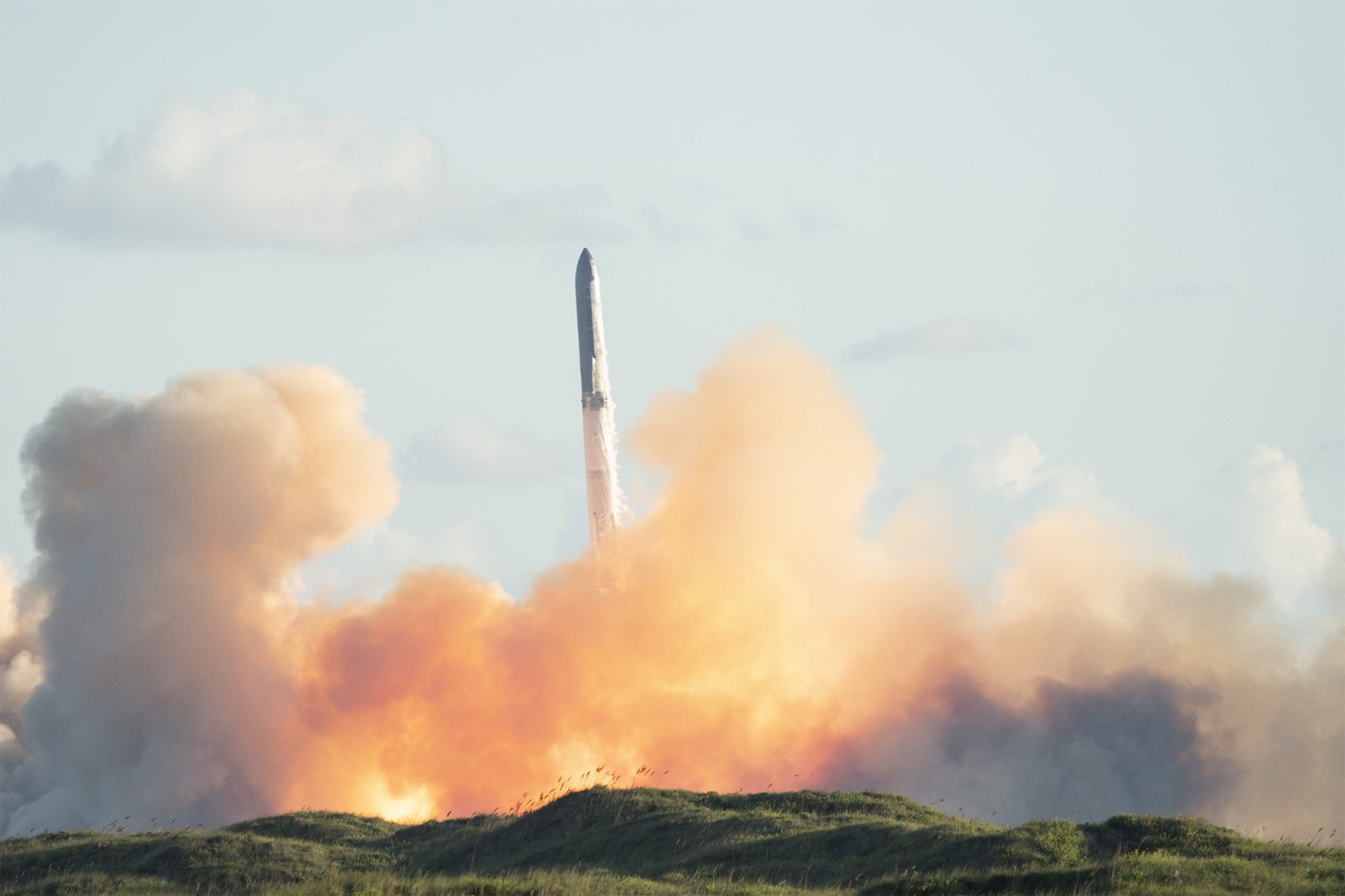
The new flights will run under a fixed-price, indefinite-delivery, indefinite-quantity structure, the same vehicle NASA has used since it chose SpaceX and Boeing in 2014 to fly its astronauts. The missions will launch on SpaceX’s Falcon 9 rocket and Dragon capsule from Florida, the hardware that has carried every NASA crew launched from American soil for years.
The modification is the clearest statement yet of where the agency’s crew program actually stands. SpaceX has flown a steady cadence of operational missions since it was certified for crew in 2020, while Boeing’s Starliner remains grounded. Boeing has spent years working through problems that have trailed Starliner since its first uncrewed test flight in 2019 failed to reach the station, and its 2024 crewed test flight was cut short when thrusters failed, forcing the two astronauts aboard to return on a Dragon.
With Starliner sidelined, NASA has concentrated its crew capacity on SpaceX. Ordering three flights at once, rather than one at a time, locks in the cadence the agency needs to keep the station staffed through the second half of the decade without waiting on a vehicle that has repeatedly missed its schedule.
The commercial crew program was born of necessity. When the space shuttle retired in 2011, the United States had no way to launch its own astronauts and paid Russia for seats on Soyuz spacecraft, a dependence that ran for nearly a decade at rising prices. The 2014 contracts with SpaceX and Boeing were designed to end that arrangement by handing crew transportation to private companies on fixed-price terms, with NASA buying rides rather than building rockets.
SpaceX delivered on that bet and Boeing has not, and the gap between the two has only widened. SpaceX flew its first crewed test in 2020 and has since made crew rotation a routine, roughly twice a year. Boeing’s Starliner has flown three times in all, none of them a complete operational rotation, and its most recent attempt ended with its crew leaving the station aboard a competitor’s capsule.
The International Space Station is the anchor of NASA’s human spaceflight program, and keeping it staffed is a matter of continuous logistics. NASA has bought crew rotations from SpaceX since the Demo-2 mission in 2020, and the arrangement has become routine. The contract’s indefinite-delivery design was meant to let the agency order as needed, a flexibility that has quietly become a dependence on one provider.
SpaceX’s position in American human spaceflight now reaches beyond the station. Dragon is the only operational crew vehicle NASA currently flies, and its hardware also carries private astronaut missions and a growing share of the agency’s Artemis-era ambitions. The Falcon 9 rocket underneath it is the most flown rocket in the world, and its reliability record is the practical reason NASA keeps coming back.
Boeing’s troubles are the other half of the story. The company has absorbed billions of dollars in cost overruns on Starliner, a fixed-price program that has been a financial drain rather than a source of profit. Its leadership has said it remains committed to the vehicle, but NASA has set no public date for Starliner’s next flight, and the order for three more SpaceX missions suggests the agency does not expect to rely on Boeing anytime soon.
For SpaceX, the modification is incremental business on top of an already dominant position. Its crew flights are one part of a launch business spanning satellites, cargo, and government payloads, and the crew program’s margins matter less than its strategic value. Flying astronauts has given the company a public record of reliability that underpins everything else it does.
The $946 million works out to roughly $315 million per mission, in line with the per-mission pricing NASA has reported for past rotations. The agency has said the contract’s pricing reflects the cost of a proven system, and ordering in bulk is partly an acknowledgment that the marginal cost of another SpaceX mission is far lower than the cost of bringing a second provider to the same cadence.
What the modification does not settle is whether NASA will ever again have two American crew vehicles in service. The commercial crew program was built around redundancy, and that idea has not survived Starliner’s engineering record. The station itself is scheduled to be retired at the end of the decade, which means the flights NASA just ordered may be among the last crew rotations the agency buys. For now, the answer NASA has given, three missions at a time, is that it will fly with the provider that has proven it can fly.