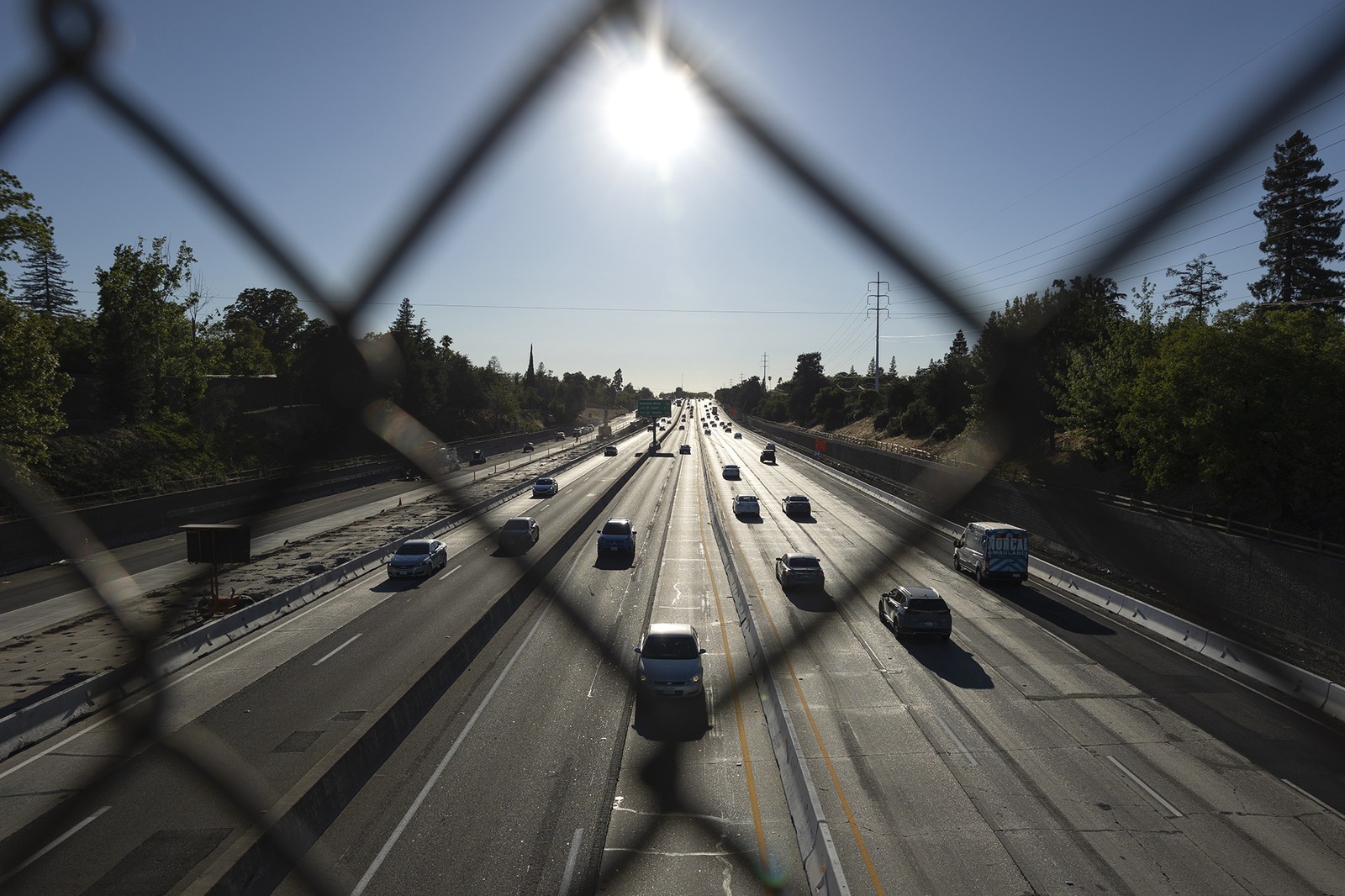
The sequence at the center of the case is stark. A driver left a passenger on a highway; soon after, the passenger was struck by another vehicle and died. On September 19, an arbitrator ruled that Uber bears legal responsibility for what happened, awarding $40 million and finding the company liable under a doctrine called vicarious liability — the principle that a platform can be held accountable for the negligence of a driver it does not formally employ.
The ruling cuts against one of the arguments Uber has relied on for more than a decade: that drivers are independent contractors, not employees, and that the company is a marketplace connecting riders to drivers rather than a transportation provider answerable for what happens on the road. Vicarious liability does not require an employment contract in the strict sense. It asks whether the person who caused the harm was acting within the scope of work the company set in motion, a question that arbitrators and courts have answered in different ways across the country.
The facts of the case are confined to a single trip, but the reasoning has consequences that extend far beyond it. Uber faces a patchwork of state laws and court decisions that have been tugging at the edges of its contractor model for years, from the reclassification fight that produced Proposition 22 in California to minimum-wage laws in New York and Massachusetts and a ruling in the United Kingdom that redefined drivers as workers rather than self-employed contractors.
Uber was founded in 2009 on a bet that a phone app could summon a ride without the company owning a single car, and the contractor model was central to that bet from the start. By treating drivers as independent, the company avoided the cost of employment — benefits, payroll taxes, workers’ compensation — while retaining control over pricing, routes, and driver standards. That tension, between the control the platform exerts and the independence it claims, has been the fault line in nearly every legal challenge the company has faced.
Arbitration is itself a deliberate feature of Uber’s design. Riders and drivers who use the platform generally agree to resolve disputes through private arbitration rather than in open court, a structure that keeps many claims out of public view and limits the growth of class actions. A $40 million award emerging from that closed system is notable partly because most arbitration outcomes never become public at all.
The financial hit is unlikely to threaten a company of Uber’s scale. The company reports tens of billions of dollars in annual revenue and enough cash flow to absorb a legal payout of this size without visible strain. The sharper risk is doctrinal. Every ruling that treats the company as responsible for driver conduct chips away at the independent-contractor foundation on which both its unit economics and its public position rest.
That position now has a second front: autonomous vehicles. Uber has cast self-driving cars as the long-term answer to the cost and unpredictability of human drivers, and it has formed partnerships and investments to stay near the front of that race. But the liability questions raised by this case do not vanish when the driver is removed; they migrate. A company found liable for a driver’s negligence today will be measured by the same standard when its robotaxis, or those of its partners, are involved in crashes tomorrow.
The reclassification debate has produced divergent outcomes. California voters sided with the companies in 2020 by approving Proposition 22, which carved out a third category for app-based drivers, and state courts have since weighed in repeatedly on whether that carve-out passes muster. The United Kingdom’s Supreme Court ruled in 2021 that Uber drivers were workers entitled to basic protections. Those fights were fought over ordinary labor rights. This case is different: it attaches a fatality to the question of control, which changes the stakes for everyone involved.
Uber has not said publicly how it will respond to the award, and the company has offered little detail about the case beyond what emerged in the ruling. Arbitration awards can be challenged in court, though the grounds for overturning them are narrow, and parties typically reserve the right to contest the amount rather than the finding of responsibility.
The episode also lands amid a wider reexamination of rideshare safety. For years, safety advocates have pressed the platforms to disclose more about assaults, crashes, and driver conduct, while the companies have pointed to background checks, trip monitoring, and in-app emergency tools as evidence that the risks are managed. A fatal case resolved against the company adds weight to the argument that those controls have not kept the platform fully clear of responsibility for what happens between pickup and drop-off.
For the family at the center of the case, the $40 million is a number attached to a particular grief. For Uber and its rivals, it is a data point in a longer and unfinished argument about who, exactly, is driving — and who is answerable when a ride ends in the worst possible way. The answer an arbitrator gave this month is unlikely to be the last word.