Samsung is pushing on two fronts at once. In its fabs, the company is adding 4-nanometer capacity to make memory chips and compete head-on with SK Hynix for orders. Across the Pacific, it is putting money into a small nuclear reactor in Tennessee.
The memory push is a direct challenge to SK Hynix’s lead in the high-bandwidth memory that AI systems run on. Samsung has been trying to close the gap for two years, and its efforts have begun to show. Data from Bernstein shows that Samsung’s high-bandwidth memory shipments grew faster than SK Hynix’s in August, a shift that caught the attention of analysts.
Samsung’s bet is that it can convert its lead in manufacturing scale into a lead in the memory that matters most. The company is expanding its 4-nanometer capacity specifically for memory chips, a move that lets it chase orders that SK Hynix and Micron have been slower to fill amid a shortage that has left buyers scrambling for supply.
The timing favors Samsung. With the industry sold out through much of 2026, customers are less loyal to any one supplier and more willing to qualify a second source. Analysts said Samsung’s expansion puts it in position to win share precisely when buyers are most eager for an alternative.
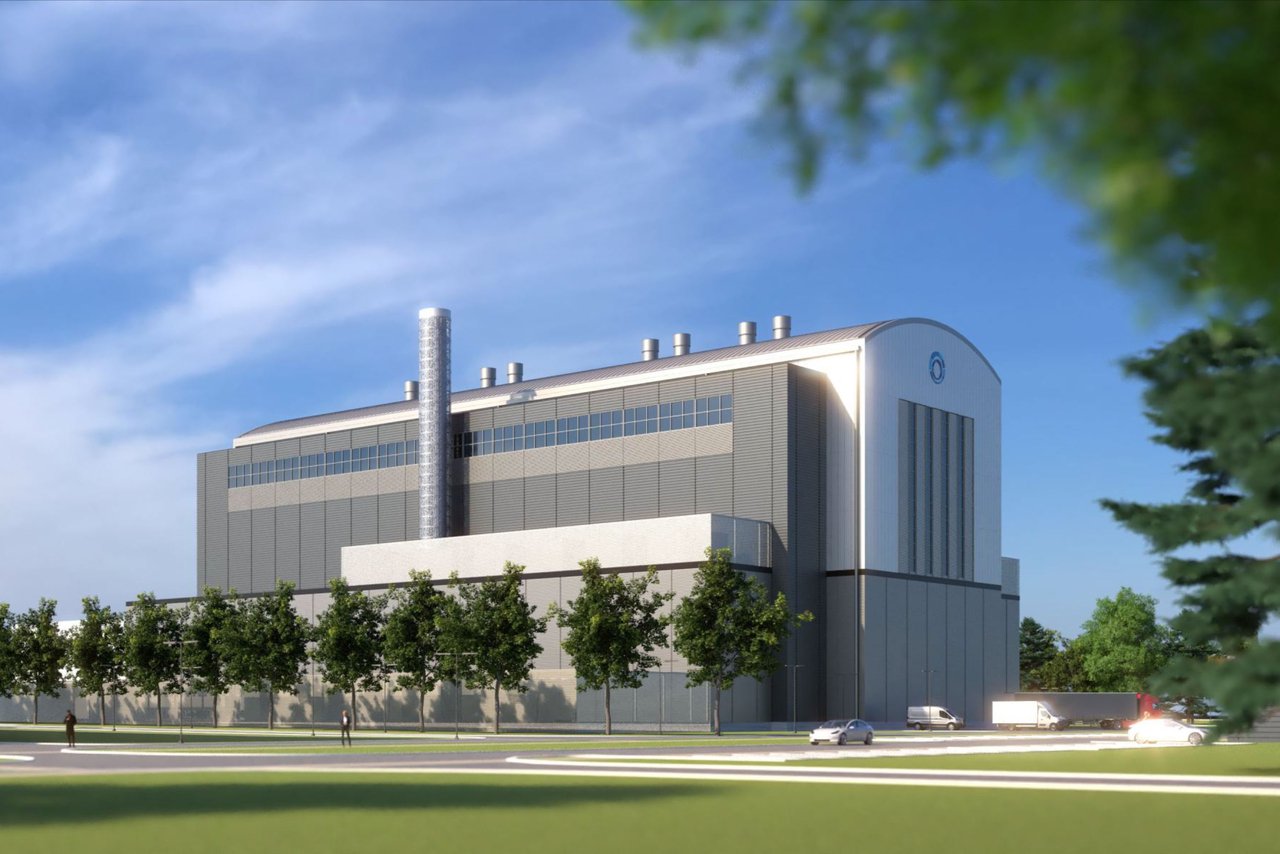
On the energy side, Samsung has chosen a different kind of bet. Its engineering and construction arm, Samsung C&T, has committed up to $100 million to Kairos Power, a nuclear startup building a demonstration reactor in Oak Ridge, Tennessee. The commitment combines about $70 million in equity with engineering services, Kairos said.
The reactor, called Hermes 2, is a 50-megawatt plant cooled by fluoride salt, a design that has been discussed for years but never built at commercial scale. Kairos plans to have it operating by 2030, and its output will count as the first 50 megawatts of a deal with Google, which signed on in late 2024 for about half a gigawatt of power by 2035.
Samsung C&T has built or helped build about a dozen nuclear reactors around the world, experience that makes it a natural partner for a startup trying to complete a first-of-its-kind plant on a tight schedule. The deal gives Kairos both capital and construction expertise.
The two moves are connected by a single assumption: that demand for computing will keep growing, and that it will need both more memory and more power. Samsung is positioning itself as a supplier of both.
The memory industry has spent the year warning that AI data centers are consuming everything they can make. High-bandwidth memory, the fastest-growing category, sits at the top of that demand, and Samsung, SK Hynix and Micron are racing to add capacity. The race has narrowed to a question of who can bring new lines online first.
The power side is the same story in a different industry. Data centers need electricity on a scale utilities have struggled to provide, and tech companies have turned to nuclear startups such as Kairos to lock in supply. Google’s deal with Kairos was one of several such arrangements announced as the power needs of AI became impossible to ignore.
Samsung’s $100 million commitment is small next to its capital spending, but it signals where the company sees the next bottleneck. Memory and electricity are the two inputs that have become scarce as AI has scaled, and Samsung is placing bets on both at once.
Samsung has been the world’s largest memory maker by revenue for most of the past three decades, but high-bandwidth memory has been the one category where SK Hynix built an early and durable lead by moving first into the versions Nvidia’s accelerators use.
The 4-nanometer expansion is part of a broader effort to defend that position. Samsung has been pouring capital into both memory and its contract chipmaking business, and its executives have said they will not cede the AI memory market the way they once ceded the early market for graphics memory.
The nuclear investment fits the same logic applied to a different constraint. Data centers have become so power-hungry that the largest technology companies have begun contracting for electricity years before it can be delivered, and nuclear startups such as Kairos have become a favored source because they promise always-on power without the emissions of fossil fuels.
Analysts said the dual strategy is unusual for a company that has historically moved deliberately. Samsung is not usually the first to commit capital to an unproven technology, and its willingness to back a fluoride-salt reactor while also expanding memory capacity suggests it sees the shortage of both as durable.
Whether both bets pay off depends on factors outside Samsung’s control: the pace of AI adoption, the reliability of a new reactor design, and the outcome of a price war in memory that has yet to fully break out. What is clear is that Samsung has decided the two scarcest commodities in the AI economy are worth chasing at the same time.