The memory shortage that has driven chip prices higher all year has now reached the graphics card inside a gamer’s PC. SK Hynix has stopped making the 2-gigabyte GDDR7 memory chips used in Nvidia’s RTX 50-series cards, shifting that supply toward Samsung, according to a report this week.
The move marks a new phase in a squeeze that began with the memory used in AI data centers and has since spread down the product line. What was once a pricing problem for hyperscalers buying high-bandwidth memory has become a scheduling problem for the companies that assemble consumer graphics cards.
SK Hynix began phasing out its 2GB GDDR7 chips earlier this year and has now placed them in end-of-life status, according to Wccftech. The company has concentrated instead on the 3GB GDDR7 modules that Nvidia’s newer cards favor, leaving the remaining 2GB demand to Samsung and, for a time, Micron.
The reshuffle matters because the RTX 50 series was never designed around a single supplier. Nvidia qualified memory from several vendors so that a hiccup at any one factory would not halt its cards. The end of SK Hynix’s 2GB line narrows that buffer, analysts said, and leaves the supply of the most common graphics memory more concentrated.
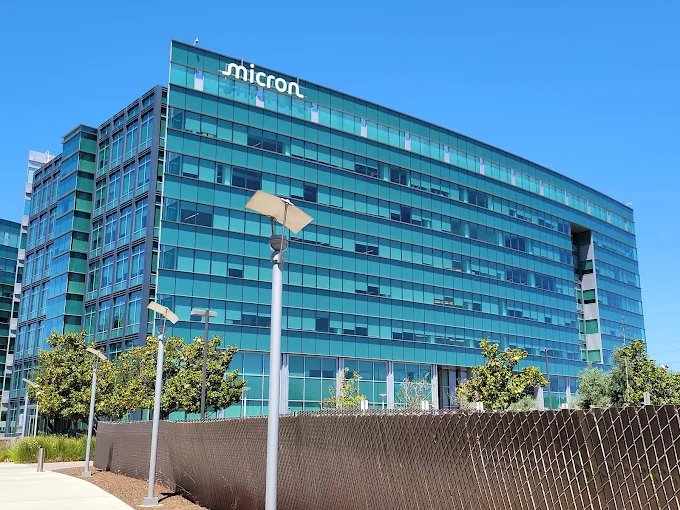
The same week brought fresh evidence of strain elsewhere in the memory industry. Barron’s reported that one of Micron’s memory-chip factories had run into a problem, without detailing its cause or scale. Micron’s shares have climbed back above $1,000, a level they first crossed earlier this year as the shortage deepened.
Investor appetite for memory has not weakened. On September 21, SK Hynix’s American depositary receipts were oversubscribed several times over, according to people familiar with the offering, a sign that demand for the stock is as tight as demand for the chips themselves.
SK Hynix has already raised roughly $26.5 billion in a July listing of its American depositary receipts, pricing them at $149 and drawing orders more than seven times the shares on offer. The company said the listing would broaden its U.S. investor base and reinforce its role as a supplier of the high-bandwidth memory that AI systems depend on.
The underlying cause of the shortage is the same across every category. AI data centers are consuming every wafer that memory makers can produce, and the same factories that build high-bandwidth memory also build the DRAM that goes into graphics cards and servers. When one product commands higher margins, the others lose capacity.
Micron has reportedly sold out its most advanced memory lines through the end of 2026, and executives across the industry have warned that the squeeze could worsen next year. Intel’s chief executive told investors this week that the memory shortage may not ease soon, a warning that helped lift memory stocks.
For consumers, the shortage has shown up in the price of graphics cards. The RTX 5090, which launched at a suggested price of $1,999, has been trading far above that level for much of the year, and reports have linked at least part of the markup to the cost of GDDR7 memory.
High-bandwidth memory has become the single most sought-after component in the AI supply chain. It sits beside the processor inside every AI accelerator, and its price has risen sharply as the three large suppliers, SK Hynix, Samsung and Micron, have struggled to keep pace with demand from cloud providers.
GDDR7, the latest graphics memory, is built on the same underlying DRAM technology, and the factories that produce it overlap with those making high-bandwidth memory. That overlap is why a boom in AI has left graphics card makers competing with cloud giants for the same silicon.
The graphics card market has absorbed the consequences unevenly. Enthusiast buyers have paid well above list price for the top RTX 50 cards, while the broader PC market has felt the shortage mainly through longer waits and fewer configurations at the margins.
The end of SK Hynix’s 2GB GDDR7 chips does not mean a halt in the company’s graphics memory business. It reflects a calculation that the higher-density 3GB modules, and the high-bandwidth memory that serves AI accelerators, are worth more of the company’s limited production.
Analysts said the episode shows how quickly a shortage can move from price sheets to production schedules. Memory makers no longer have the spare capacity to keep every product line running at once, and they are choosing which products to build based on where the margins are best.
The result is a market in which even mature, low-profile components can go end-of-life without warning, because the factories that made them have been reassigned to something more profitable. Graphics card makers, in turn, are left to redraw their supply chains around whichever supplier is still making the memory they need.
That is the condition the industry now accepts: tight enough that a routine product decision by one manufacturer ripples through the supply chain of another, and that the shortage is measured less in prices than in which products get built at all.