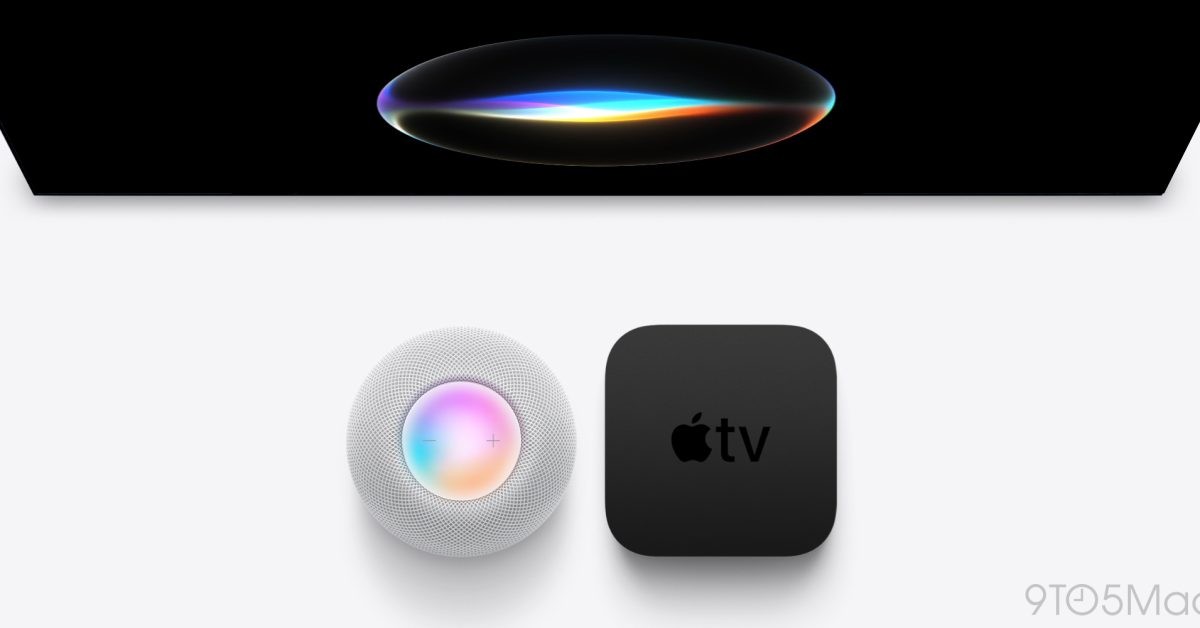
Aaron Perris, a writer at MacRumors, found the images the way he has found products before: inside Apple’s own code. On September 25, images of unreleased devices appeared in an official software build, showing three products that the company has not announced.
The most detailed of the three is a second-generation HomePod mini, which the images show in green, pink, blue, white and black. The shape appears unchanged from the version Apple introduced in 2020, suggesting a refresh of components and colors rather than a redesign.
An eighth-generation iPad mini and a new Apple TV 4K also appeared in the build. People familiar with the company’s plans expect all three products to be announced within weeks, though Apple has confirmed nothing.
The same trading day produced a different kind of headline. Apple stock rose 1.5 percent to close at $341.07, a 52-week high, giving the company a market value of about $5.01 trillion. Barron’s described it as the first close above the $5 trillion mark for any company.
That figure reflects more than enthusiasm about a speaker and a small tablet. Apple’s market value has been carried by steady growth in services revenue, a large repurchase program that reduces the number of shares outstanding, and the assumption that its installed base of more than two billion devices will eventually generate new money through artificial intelligence features.
The company has also been settling a claim about how it described those features. Apple agreed to pay $250 million to resolve a class action alleging that it misled buyers about the availability of Apple Intelligence capabilities tied to Siri, including functions that were demonstrated in 2024 and then delayed.
Lawyers for the plaintiffs described the settlement as the largest false advertising recovery of its kind. Under the terms, United States buyers of an iPhone 15 Pro or any iPhone 16 model purchased between June 10, 2024, and March 29, 2025, can file claims through a dedicated settlement website.
The case is a reminder of how much of Apple’s sales pitch now rests on software that ships after the hardware. The company has built its marketing around features that arrive through updates, which puts it in the position of advertising capabilities before they exist in a form customers can use.
For the hardware business, unannounced products appearing in software builds is a familiar pattern. Apple’s supply chain and its firmware have leaked upcoming devices for years. The practice gives the company weeks of free attention before an event, and it removes any surprise from the announcement itself.
Analysts have debated whether the leaks help or hurt. Early exposure can build interest in a product that would otherwise go unnoticed, particularly in a category as small as the HomePod, where Apple competes against cheaper speakers from Amazon and Google.
The larger question for investors is demand in the current quarter. Apple has shipped a new iPhone generation into a market where replacement cycles have lengthened, and its share price now depends on whether artificial intelligence features drive an upgrade wave or arrive too slowly to matter this year.
The leaks also set expectations that Apple will have to meet. Buyers who have seen the colors and the form factor will judge the announcement against what the code already showed them.
The HomePod has never been a major contributor to Apple’s revenue. The company discontinued the original full-size model in 2021 and brought it back in 2023, and the mini competes on price against speakers from Amazon and Google that sell for much less. A color refresh is a low-cost way to keep a small product in the news.
Apple does not comment on unreleased products, and it has no obligation to disclose settlement terms until a court approves them. The images found in the software build may also belong to a later release and could still change before anything ships.
Reaching a market value of five trillion dollars took Apple about four years from the point at which it first closed above three trillion, and the gains came with very little change in the number of devices it sells each year. Growth has come from services and from the money the company returns to shareholders, not from unit volumes.
The settlement covers a narrow window and a specific set of devices, which limits how many claims can be filed. Buyers of other iPhone models during the same period receive nothing.
Whether the leaks and the settlement move the share price is a separate question. Neither changes how many iPhones Apple sells this quarter, which is the number the company will report in late October.
Apple has not commented on the images, and the settlement still requires court approval. What the company has not said is how quickly the Siri features at the center of the lawsuit will be finished.