On the same morning that Tesla told workers at its Berlin factory their pay would rise, European regulators quietly pushed back the one decision the company has been waiting for all year.
Tesla said on September 28 that base wages at the Berlin-Brandenburg plant would increase 4% to 5% starting October 1. The last comparable raise came in December of last year. The adjustment lands in the middle of a running dispute with Germany’s biggest manufacturing union, IG Metall, which has pressed for a collective wage agreement and a shorter working week that Tesla has refused to accept.
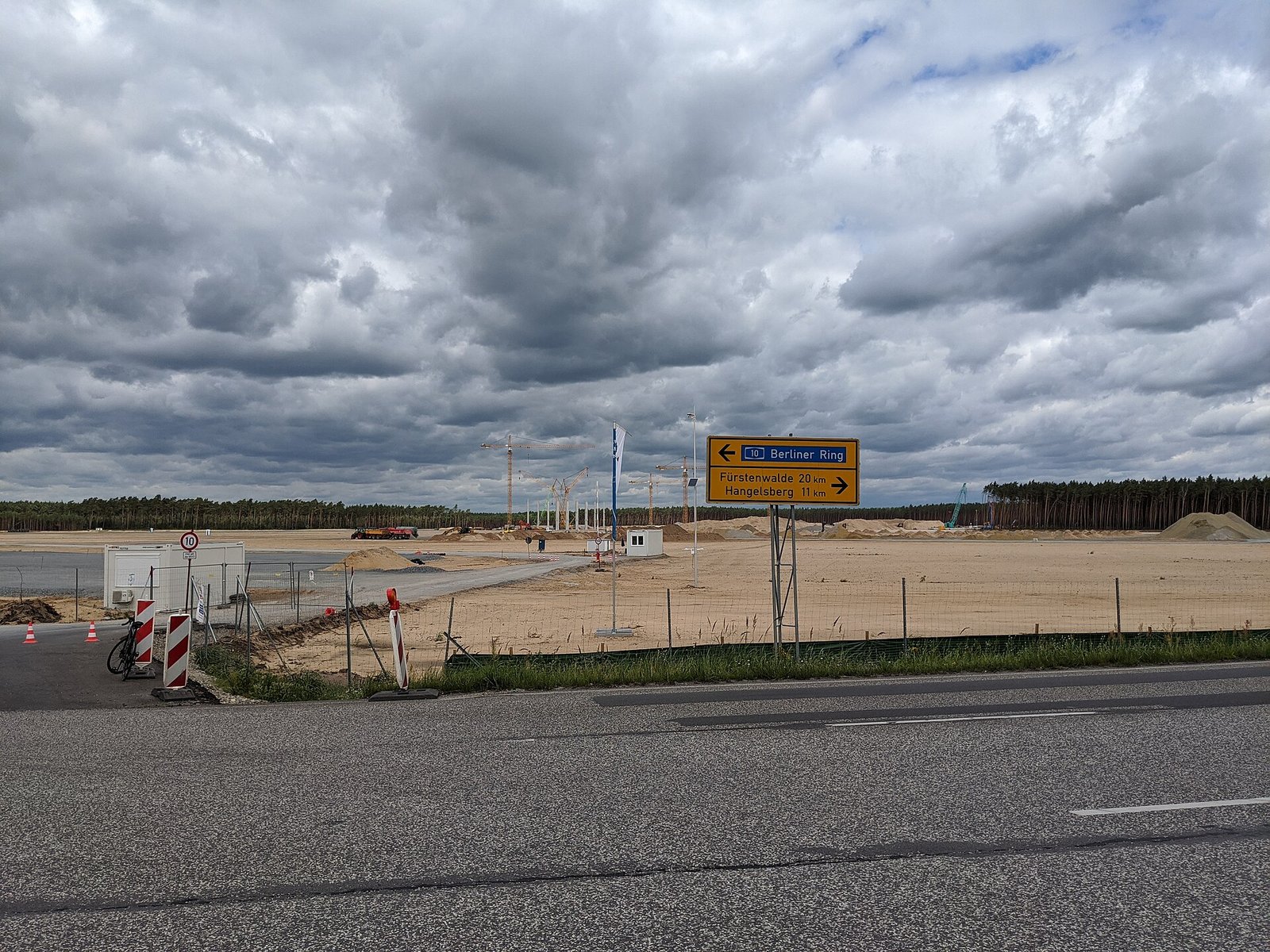
The plant sits in Grünheide, a town outside Berlin, on a site that was forest before Tesla cleared it. It opened in March 2022 and has grown into the center of Tesla’s European ambitions, employing more than ten thousand people. The company has long described the site’s capacity as 500,000 vehicles a year, and a planned expansion would lift that toward 800,000. The factory builds the Model Y, and its output has become central to Tesla’s effort to hold market share across Europe while competitors such as Volkswagen and BMW roll out their own electric lineups.
The wage increase is the company’s way of arguing it does not need a union contract to treat workers well. Factory managers have said Tesla already raises salaries more than other German carmakers, and they have drawn a hard line against the union’s demand for a 35-hour week. The German auto industry runs on collective bargaining, and Tesla has spent years resisting it, a stance that has made the plant a test case for whether a modern car factory can thrive outside the country’s labor rules. Whether a 4% to 5% increase is enough to quiet that fight is unclear, but it gives Tesla a talking point as it resists the kind of agreement that governs its German rivals.
The bigger setback for Tesla that day came from Brussels. A European Union technical committee meeting set for October 6 will now consider only the supervised version of Tesla’s Full Self-Driving system, not a full authorization. A vote on EU-wide approval has slipped to December at the earliest, and only seven of the 27 member states have signaled clear support.
The delay matters because Tesla has been trying for years to turn its driver-assistance software into a real business in Europe. The Netherlands was the first country to grant provisional approval after an 18-month review by its vehicle authority, and a handful of others, including Lithuania, Estonia, Belgium and Denmark, have since followed. But the EU has no single framework for such systems, and without a bloc-wide decision Tesla must clear the rulebook country by country, one regulator at a time.
Regulators have been in no hurry. Road-safety groups have warned that hands-off driving systems approved elsewhere have not been tested against European roads and rules, and some officials want more data before they sign off. That caution collides with Tesla’s timeline, in which software revenue is supposed to soften the pressure on car sales and margins. Every month of delay is a month the company cannot charge European drivers for the feature it has spent years refining.
The two announcements sit side by side for a reason. Tesla is spending more on labor in Europe at the same moment it cannot yet sell its most profitable software there. Raising wages keeps the factory staffed and productive; the factory is the argument for why Tesla deserves the regulatory approval its software still lacks.
For Tesla, the factory and the software are the same bet. The plant in Germany gives the company a manufacturing foothold inside the EU, and Full Self-Driving is the product that is supposed to make that foothold worth more than a car plant. Both now hinge on decisions made by others: the workers who can choose to organize, and the regulators who can choose how long to wait.
The commercial stakes are concrete. Tesla has been charging for driver-assistance features in the United States for years, and the company has talked about turning the software into a subscription business with margins far higher than those on cars. Europe was supposed to be the next market where that model could work, and every quarter without approval pushes the revenue further out. Investors have grown used to waiting, but the waiting has a cost that shows up in the company’s numbers rather than in a single headline.
What happens next depends on Brussels. The December vote could still break Tesla’s way if enough member states move off the fence, but seven supporters out of twenty-seven is a long way from a majority. The open question is whether a wage increase in Berlin and a filing season in Europe will be enough to shift the arithmetic, or whether Tesla will keep paying more for labor it cannot yet offset with software sales.