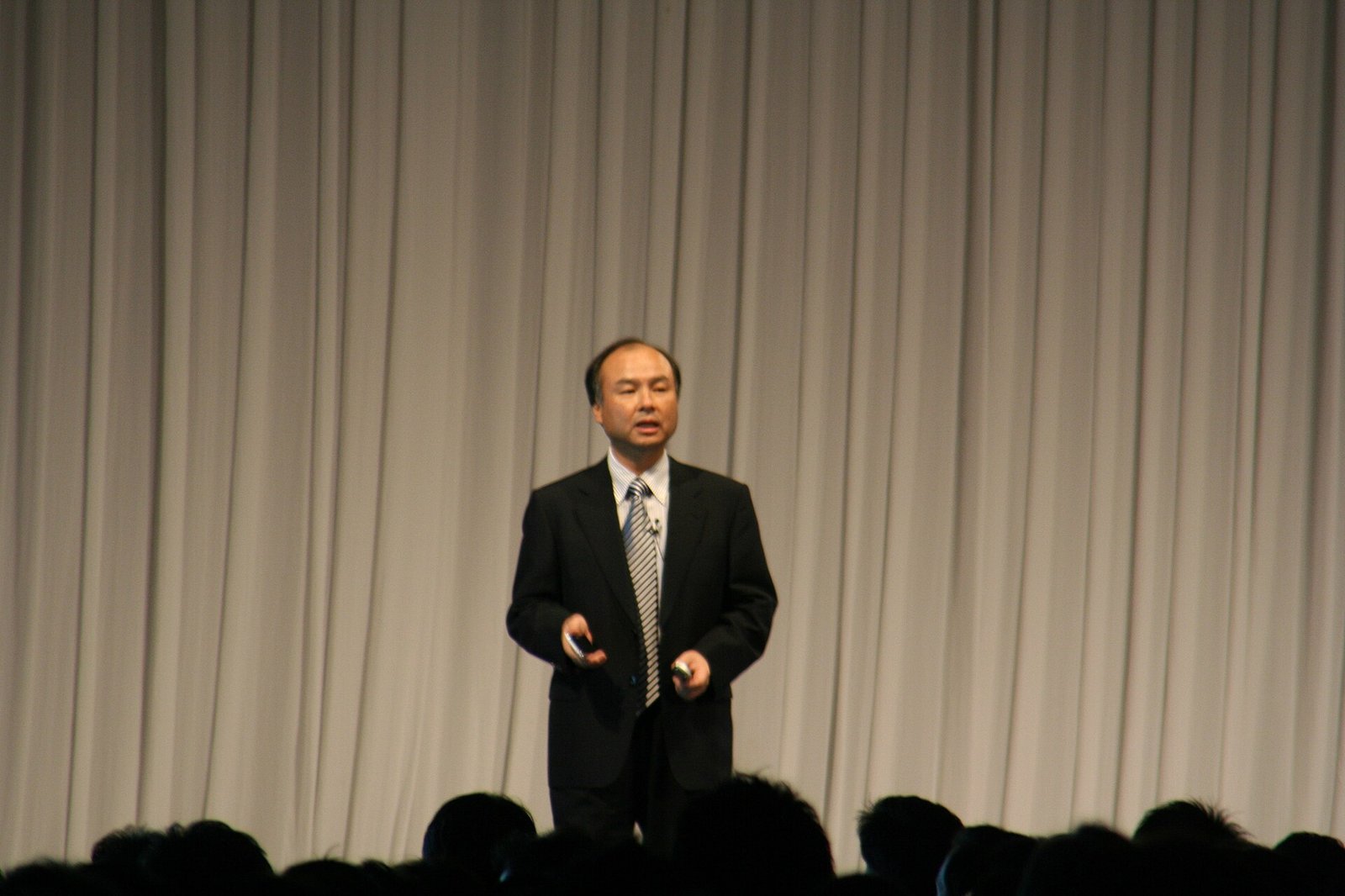
SoftBank Group finished the deal it announced a year ago, closing its acquisition of DigitalBridge, the digital infrastructure investment manager, on Sept. 30. The purchase valued the company’s common stock at $16 per share in cash, roughly $3.1 billion in total, with assumed debt taking the transaction’s enterprise value toward $4 billion. Marc Ganzi, who built the firm, stays on as chief executive of a business that now reports into Masayoshi Son’s empire.
DigitalBridge will keep its name and operate as a separately managed platform, the companies said, rather than being folded into SoftBank’s balance-sheet machinery. The firm manages tens of billions of dollars across cell towers, data centers, fiber networks and small cells, the physical plumbing of the internet and, increasingly, of artificial intelligence. Its financial results will be consolidated into SoftBank from the acquisition date.
DigitalBridge has deep roots. The firm traces its lineage to Colony Capital, the real estate investor founded in the 1990s, which began assembling digital infrastructure holdings and eventually split them into a standalone company that took the DigitalBridge name in 2021. Today it ranks among the largest dedicated managers of digital infrastructure, with tens of billions of dollars under management across the towers, fiber and data centers that carry the world’s traffic. Ganzi has run the platform through that entire transformation.
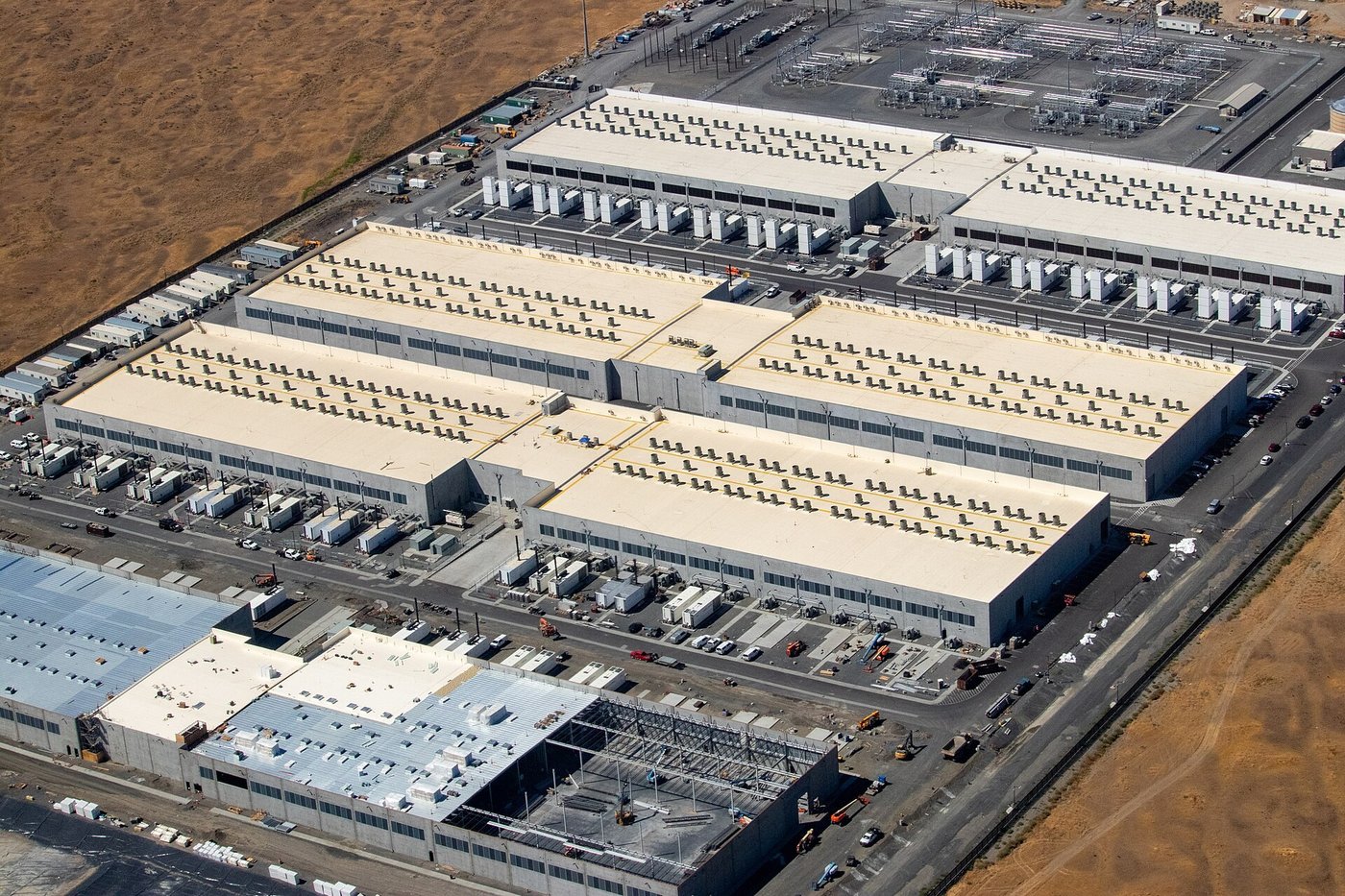
The deal hands SoftBank one of the few pure-play managers of digital infrastructure at a moment when the asset class is the center of gravity for AI capital. DigitalBridge’s portfolio of data centers and the networks that connect them is precisely the kind of hard asset the AI buildout is demanding at scale. Owning the manager, rather than individual assets, gives SoftBank a seat at the table for the deals themselves, plus a fee stream alongside the appreciation.
The purchase is the latest piece in a frenetic stretch of spending by SoftBank. In September the group raised $11.1 billion through a high-yield bond, one of the larger such offerings of the year, to fund its ambitions. It has also been pouring money into OpenAI through a series of tranches, positioning itself as one of the startup’s largest backers. The DigitalBridge closing completes a quarter in which SoftBank concentrated its capital on AI and the data centers that run it.
Ganzi’s continuation matters to the deal’s logic. DigitalBridge is a people business as much as an asset business, built on relationships with the institutions that commit capital to infrastructure funds. SoftBank bought the firm as Ganzi’s team steered it through a strategic shift toward data centers, and keeping the founder in place preserves the continuity that limited partners underwrite. A talent exodus after close would have gutted the value of the acquisition.
The price reflects a long negotiation. SoftBank first disclosed its intention to buy DigitalBridge last year, and the $16-per-share cash offer represented a premium over the firm’s trading price at the time, about 15 percent over its closing price when the deal was struck and roughly 50 percent over its 52-week average. The premium acknowledged that DigitalBridge’s assets, and its ability to raise capital for more of them, had become scarce.
The backdrop is a buildout with no obvious ceiling. Hyperscalers and AI labs are signing leases faster than new capacity can be delivered, and the binding constraint has shifted from land to electricity and the time it takes to connect it. A manager that already controls sites, and holds the relationships to develop more, is positioned to capture that demand, which is why financial buyers have been paying premiums for platforms of this kind.
For SoftBank, the acquisition is a bet that the AI infrastructure cycle has years left to run. The company has moved decisively from its earlier pattern of venture-style stakes into owning and operating the physical layer of the AI economy. DigitalBridge brings not just assets but the machinery to keep raising money from third-party investors, which SoftBank can use to amplify its own capital rather than fund every deal from its balance sheet.
Analysts said the integration risk is real but manageable. Keeping DigitalBridge independent, with its own brand and leadership, is an acknowledgment that infrastructure investors do not want their money managed by a conglomerate’s in-house team. SoftBank appears to have learned that lesson from earlier acquisitions, structuring the deal to leave the asset manager’s culture intact while taking the consolidated earnings and the strategic options that come with control.
The completion clears the way for SoftBank to press its advantage in a market where data-center capacity is the binding constraint. With DigitalBridge under its umbrella, the group can pair its own capital with the firm’s fundraising network and its portfolio of sites already under development. In a race where the winners will be those who can deliver power and racks fastest, SoftBank has bought itself one of the larger engines for doing exactly that.