
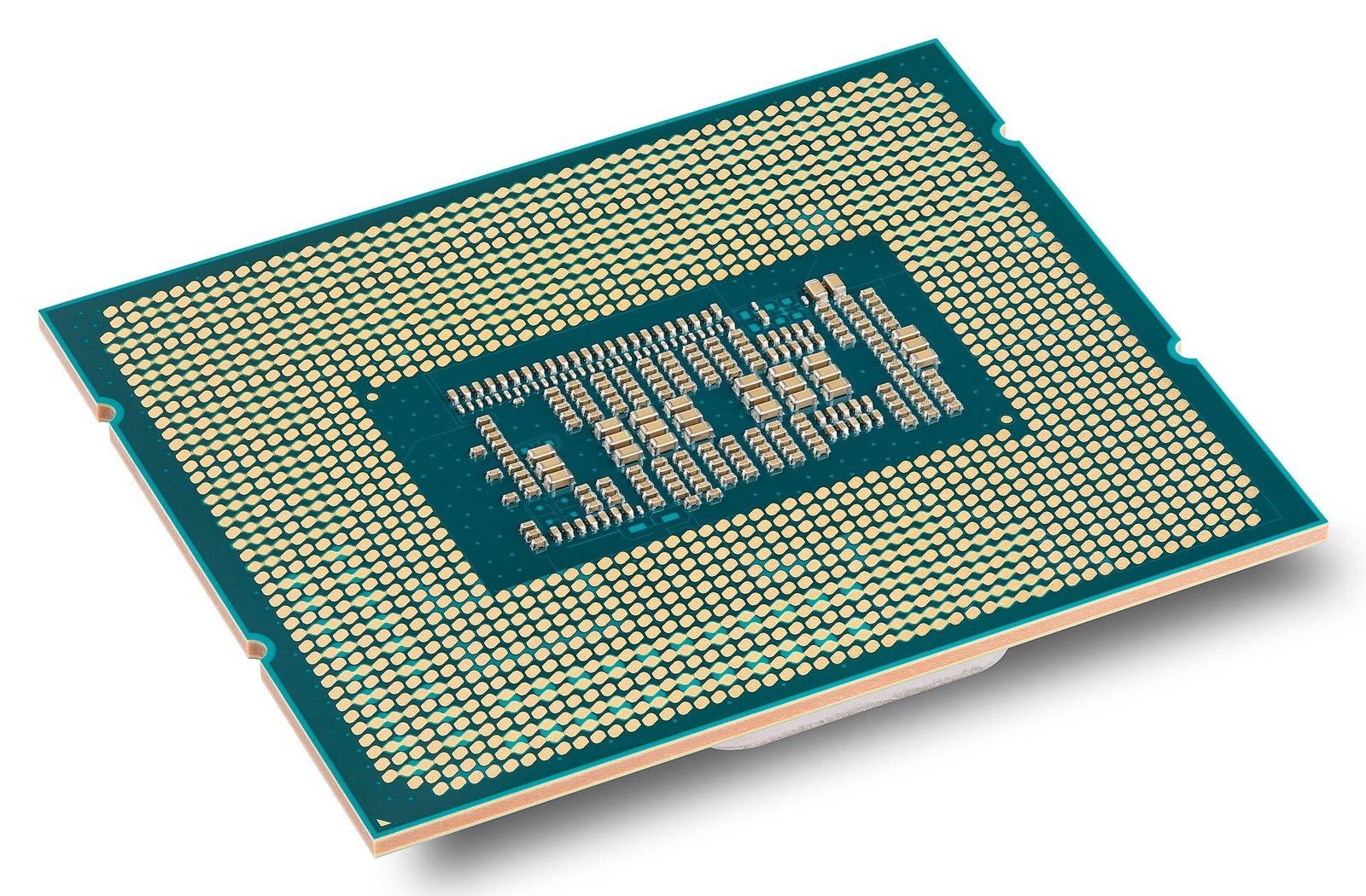
For PC builders, the most consequential Intel news of the week did not come from Intel. It came from Gigabyte, the Taiwanese motherboard maker, which posted a BIOS update on October 9 covering its full B760 and H610 board lineup. The notice was short and technical: support for “upcoming LGA1700 processors.” The phrase pointed at something quietly unusual. Intel’s next round of desktop chips, expected in early 2027, may return to a socket the company introduced in 2021.
The LGA1700 socket has one property that matters more now than it did at launch. It accepts both DDR4 and DDR5 memory. In 2021 that made it a bridge platform, letting buyers choose between scarce, expensive new DDR5 and cheap, abundant DDR4. Four years later the bridge matters again, for the same reason in reverse.
DDR5 prices have climbed to records, pushed up by data centers spending heavily on AI hardware. Samsung, SK Hynix and Micron, which together make nearly all of the world’s DRAM, have shifted wafer capacity toward high-bandwidth memory for AI accelerators, where margins run far higher. The result is a tight consumer market: a 32-gigabyte DDR5 kit that sold for around $90 in mid-2025 now lists near $400, according to retailer tracking.
DDR4, by contrast, is a mature product with years of inventory behind it and a steep discount attached. A new CPU that runs on a DDR4 board lets a builder reuse an existing motherboard and memory kit, or buy both on the cheap. The Next Web drew that conclusion from Gigabyte’s announcement: putting new processors back on a DDR4-capable platform gives people building or upgrading a PC a cheaper route at a moment when memory is the priciest part of the bill.
Gigabyte’s own notice said nothing about memory prices, and Intel has not confirmed the chips at all. The silence leaves the strategy open to interpretation, but the economics point one way. On a budget build, memory is now often the single most expensive component, and the gap between a DDR4 kit and a DDR5 kit has widened from tens of dollars to hundreds.
The socket has a clear history. Intel introduced LGA1700 with its Alder Lake chips in 2021 and carried it through the 13th and 14th generations. In 2024 it moved to a new socket, LGA1851, for the Arrow Lake processors. Moving backward, even for part of a lineup, is not how Intel has typically operated. Sockets tend to move in one direction, and the jump to 1851 was meant to be permanent.
Yet the company has already bent that rule once. Its Bartlett Lake chips, aimed at network, edge and embedded buyers, kept the LGA1700 socket alive into 2025 and offered variants with up to 12 performance cores. Board makers quietly certified those parts on industrial H610, Q670 and W680 platforms. The pattern, a proven socket kept breathing for a cost-sensitive market, is exactly what the Gigabyte update now gestures toward for consumers.
The revival makes commercial sense against Intel’s current backdrop. The company is under pressure on several fronts: it has ceded desktop and notebook share to AMD, its foundry business is still finding its footing, and price-conscious buyers have little reason to pay a premium for the newest platform. A budget chip that drops into boards millions of people already own is a low-cost way to hold a segment Intel cannot afford to surrender.
The memory crunch has also spilled well beyond desktops. The same wafer shift has pushed up the price of memory in laptops, consoles and handhelds, squeezing an entire consumer electronics industry. A socket that sidesteps the expensive half of the memory market is a rare point of relief, and it costs Intel almost nothing to offer one.
The motherboard makers stand to gain as well. Gigabyte’s B760 and H610 boards span DDR4 and DDR5 variants, and a BIOS refresh costs the company little while keeping its existing products alive. The pitch in Gigabyte’s release, download the BIOS, update, drop in the new CPU, is aimed at people who would rather keep a working board than buy a new one. For budget boards that dominate the low end, a second life as the home of a brand-new CPU is close to free revenue.
What Intel actually has planned remains unknown. The chips could be a full generation or a handful of budget SKUs; the company has said nothing beyond leaving the door open. The early-2027 timing leaves room for the DDR5 market to soften before launch, which would erode the cost argument for a DDR4 path. TrendForce has projected that memory price increases will slow in the second half of 2026 as consumers hit their affordability limit, though it still expects prices to keep climbing.
For now the socket’s return is a hint rather than a plan. Gigabyte has prepared its boards; Intel has stayed quiet. The clearest signal is the one the announcement did not state outright: in a market where memory prices decide who can afford a new PC, an old socket that runs cheap memory is suddenly worth reviving. Whether it becomes a permanent home or a temporary refuge depends on how long memory stays expensive, a question Intel will eventually have to answer, and its silence suggests it is not ready to.



