
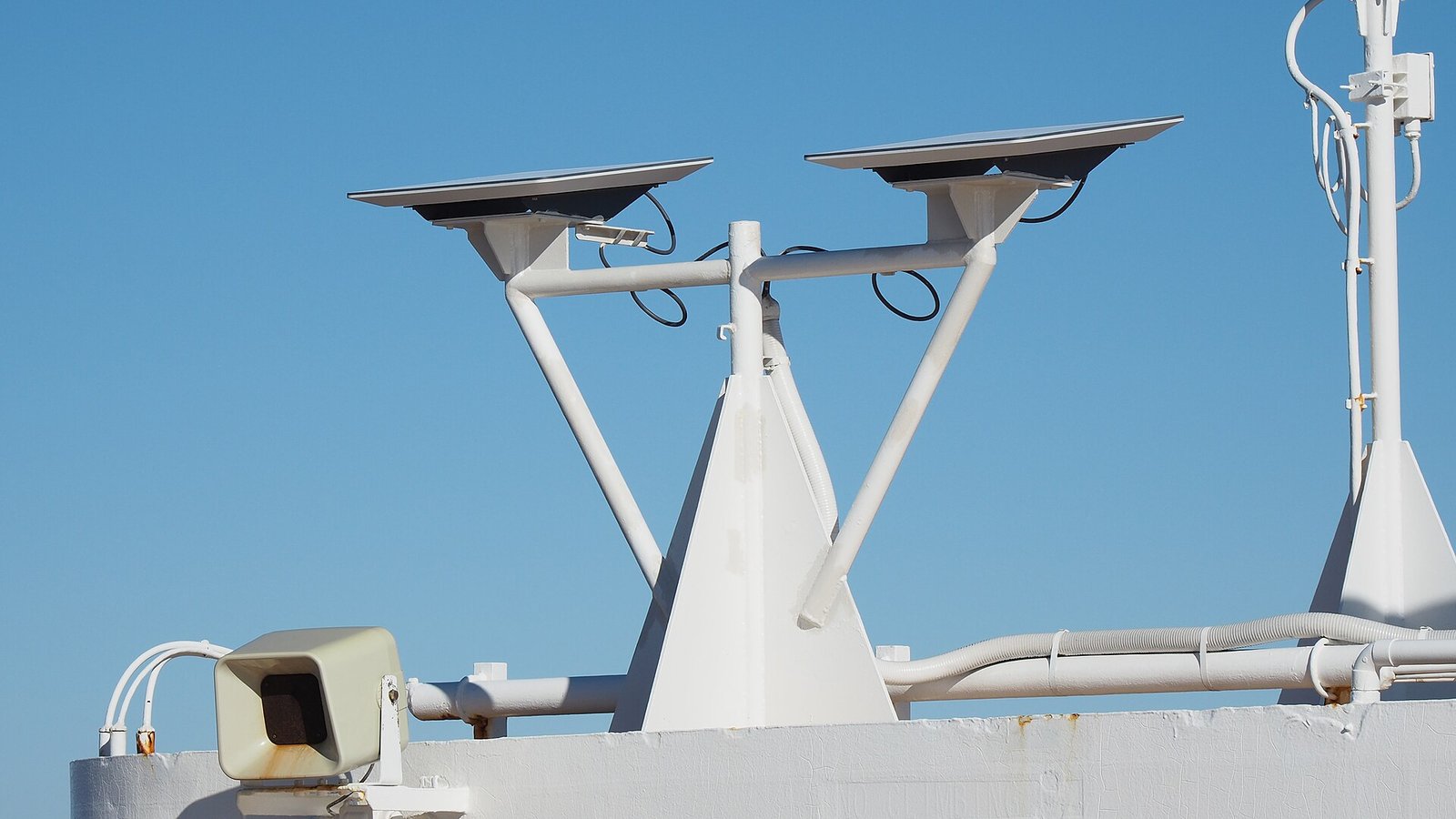
Elon Musk has spent four years trying to bring Starlink to India, a market of more than 1.4 billion people and one of the few large populations his satellite service has not yet reached. This week the fight moved into the open, and it now pits him directly against Mukesh Ambani, the richest man in Asia.
On October 9, Musk posted on X calling Ambani “Prime Minister Ambani” and asked whether the Reliance chairman would let Starlink compete. A week earlier he had accused “certain oligarchs” of blocking Starlink to protect a monopoly. The jabs were personal, but the argument underneath them is about a technical question: how India should hand out the radio spectrum that satellite broadband needs.
Starlink wants the spectrum assigned administratively, shared among operators the way most of the world handles satellite frequencies. Ambani’s Reliance Jio wants an auction, with a high reserve price as a deliberate barrier to newcomers. Each side frames the other as the obstacle, and each has a commercial stake in the outcome.
The incumbent has the deeper position to defend. Reliance Jio and its rival Bharti Airtel together hold more than 80 percent of India’s telecom market. A cheap satellite service sold by a foreign operator would cut into a subscriber base the two carriers spent years building on the ground.
New Delhi is trying to stay above the fight. Union telecom minister Jyotiraditya Scindia said on October 9 that India does not permit monopolies in any sector, and that the satellite framework is fair and non-discriminatory. He noted that three companies hold satellite communications licences — Starlink, Jio Satellite Communications, and Bharti-backed Eutelsat OneWeb — and that all three sit at the same regulatory stage, awaiting security clearances and a spectrum price from the Telecom Regulatory Authority of India.
The licence Starlink already holds is not the whole story. The company secured its telecom licence in June 2025, but commercial service still requires a security assessment and an actual spectrum assignment. Until the regulator sets a price, the satellites can pass over India without connecting a single customer.
The history explains the bitterness. In late 2024 Ambani argued for auctioning the spectrum, and India instead chose administrative allocation, a decision Musk has described as aligned with the rest of the world. Starlink is not alone in that position; Amazon’s Project Kuiper has backed the same model. By March 2025 Musk and Ambani had cut a deal to sell Starlink devices in Reliance retail stores, an arrangement that looked like a truce. The truce did not survive the wait for final approval.
The public record shows how lopsided the industry’s own view is. Of the 64 responses to India’s consultation on satellite spectrum, 48 favoured administrative licensing, 12 backed an auction, and the rest were neutral. The contest is less a debate among equals than a single incumbent arguing against the prevailing practice.
Musk has framed the delay as an injury to ordinary Indians. Being kept out of the market, he wrote, is “a crime against the people of India.” Ambani’s camp counters that a level playing field requires auction, since a foreign satellite operator could eventually offer voice and data services that compete with homegrown carriers.
The dispute is a proxy for a larger question about how the world’s most populous country will treat foreign technology companies. India has welcomed Apple’s manufacturing and taxed Meta’s platforms. It now faces a decision about whether a U.S. satellite network may sell directly to its citizens, and on what terms.
For Starlink, India is one of the last big prizes. The company has built a lead in satellite broadband in dozens of countries and needs dense, under-served markets to justify the cost of its constellation. For Ambani, the stakes are the margins of the telecom empire that underpins the Reliance conglomerate, an empire that would face its first serious price pressure from space.
The practical difference between the two positions comes down to money and reach. Under administrative assignment, the state fixes a price designed to let several operators share the band, which favours a company arriving with a constellation already in orbit. Under auction, bidders compete for the spectrum, and the winner can pay enough that only deep-pocketed incumbents remain. The choice determines whether Starlink enters India as a utility or as a competitor bidding for a scarce asset.
The rhetoric this week raised the temperature without changing the process. Security clearances and spectrum pricing move on a schedule set by officials, not by posts on X. Neither man controls the clock.
The unresolved question is whether the deal they struck in 2025 can survive the fight they are now having in public. Starlink devices sit in Reliance stores in principle; whether they ever carry a signal depends on a price for spectrum that neither side has yet seen.



