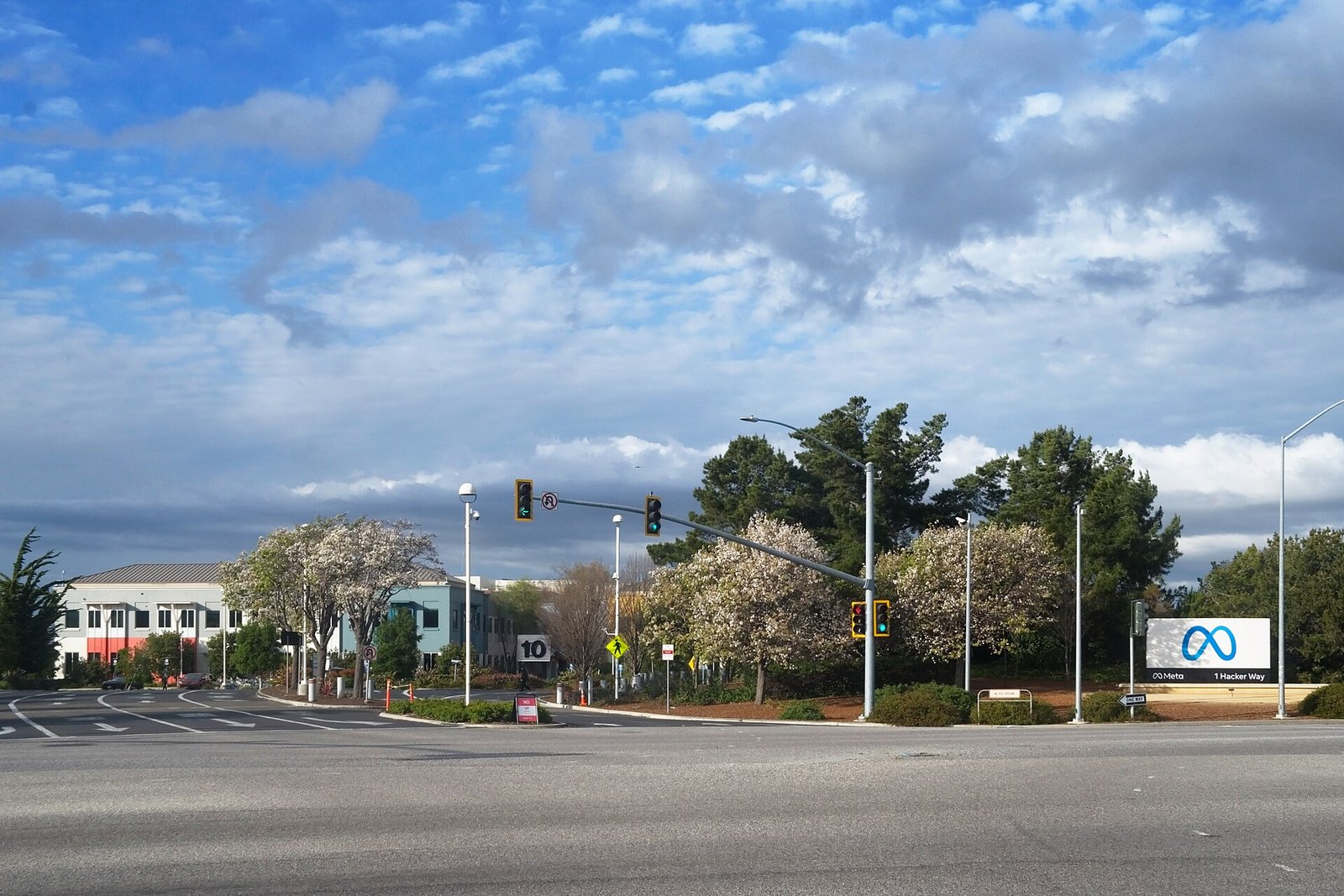
Point Tupper is a deep-water site on the Strait of Canso, in Cape Breton, where a pulp mill once ran and where the wind now blows hard enough that the trees lean. It is not where most people would look for the machinery of artificial intelligence. On October 16 it became the site of Anthropic’s first data-center agreement in Canada.
The company signed a lease with EverWind for capacity at a campus the developer is building there, according to the announcement. The project is being built in two phases: 95 megawatts by the end of 2027, then 325 megawatts in 2028, for 420 megawatts in total. The term runs 20 years.
EverWind said it will spend more than 10 billion Canadian dollars, about 7.1 billion U.S. dollars, on the data center and the wind projects that supply it, which the company described as the largest private investment in the province’s history.
Anthropic’s public policy lead for Canada, Jacob Glick, said Canadian users are among the most intensive users of Claude in the world by share of population, a remark that explains why a company headquartered in San Francisco would site its first Canadian capacity in a province of about a million people.
The choice is less odd than it first appears. Large models need three things that Nova Scotia has in surplus: land that is cheap and uncontested, wind that produces more electricity than the local grid can absorb, and a provincial government that wants the investment badly enough to move quickly. The site already has deep-water port access, an industrial zoning history and transmission lines that once fed a mill.
The province’s grid is the constraint as much as the attraction. Nova Scotia’s system peak has historically been in the range of two thousand to twenty-five hundred megawatts, which means a single 420-megawatt campus, if it drew from the public grid at full load, would represent a substantial share of everything the province consumes. That is one reason the project is paired with dedicated generation rather than a simple interconnection request.
Wind does not blow on demand. A campus that runs training jobs for weeks at a time needs firm power, and the pairing of turbines with a grid connection is a compromise: the wind covers the average, the grid covers the gaps, and the operator accepts a capacity factor rather than a guarantee. EverWind has been developing hydrogen and ammonia projects at the same site for years, and the data center gives it a customer that pays in dollars rather than in offtake contracts.
For Anthropic, the lease is a departure in how it buys compute. The company has relied on renting from cloud providers, most importantly Google and Amazon, both of which are investors. Renting is flexible and expensive; a 20-year lease is the opposite on both counts. It converts a variable cost into a fixed obligation that appears in the accounts for two decades, and it commits the company to a site that cannot be moved.
That trade is being made across the industry. Model developers have concluded that the binding constraint on their business is not ideas or talent but megawatts, and that capacity secured years in advance at a known price is worth more than capacity rented at whatever the spot market charges during a shortage. The result is a wave of long-dated leases, prepayments and equity stakes that look more like infrastructure finance than like software procurement.
Canada is also a political bet. The federal government has been assembling a package of incentives for compute investment, and provinces have competed for projects with land, power and tax treatment. A campus that employs construction workers for three years and a few dozen technicians afterward is a modest employer, but the tax base and the symbolism are worth more to a premier than the payroll.
The local questions decide whether the schedule holds. Interconnection studies, environmental assessment and consultation with the Mi’kmaq of Nova Scotia all sit between the announcement and the first rack. The province has been phasing out coal, and adding a large load while retiring plants produces both higher bills and longer queues.
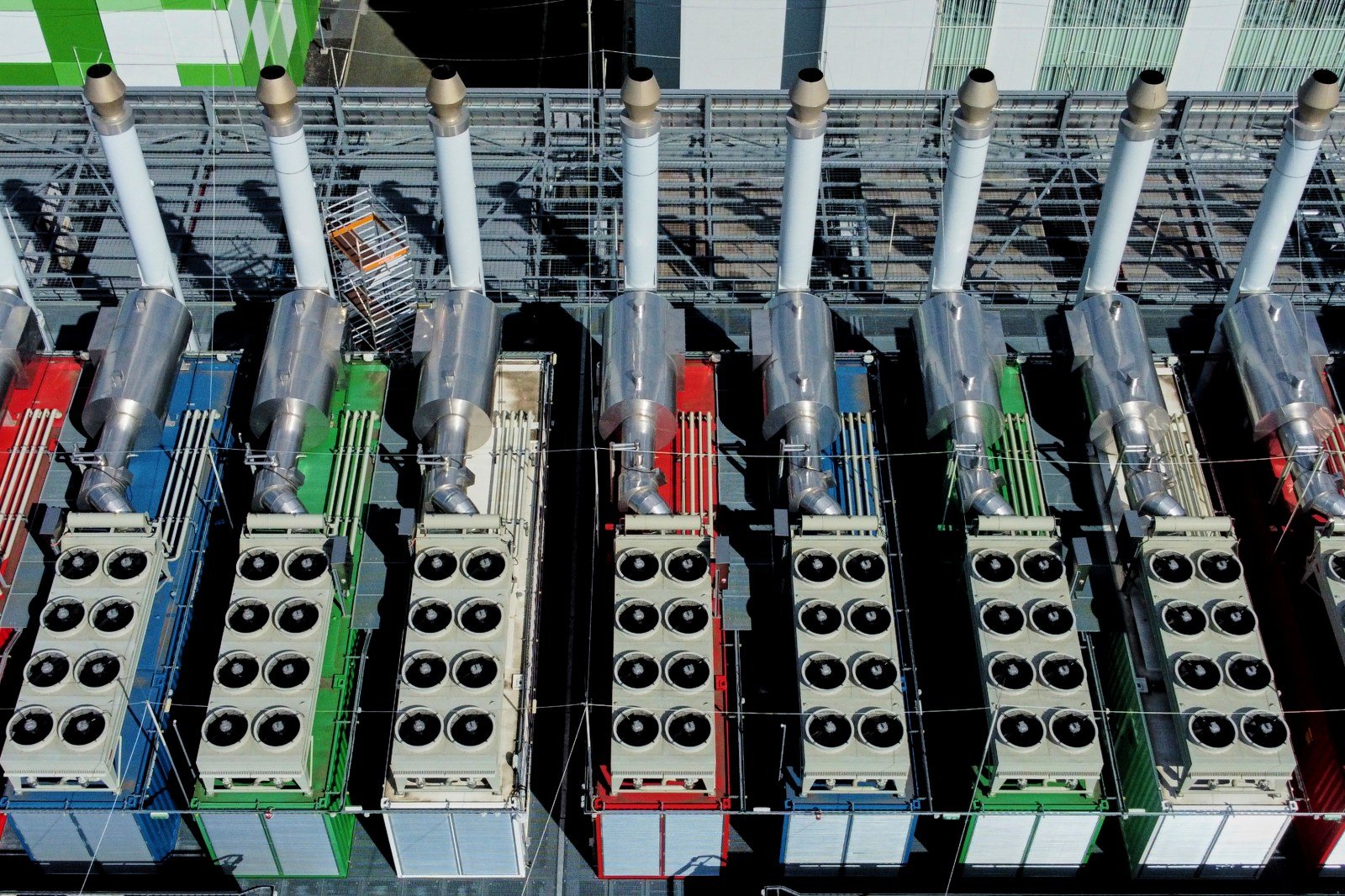
Water and cooling are the second constraint. A campus this size rejects a large amount of heat, and the choice between evaporative cooling, which consumes water, and closed-loop systems, which consumes electricity, is made site by site.
The schedule is the part analysts will watch. Ninety-five megawatts by the end of 2027 gives the project roughly fourteen months from announcement to energization for the first phase, a pace that is fast for a greenfield campus in a jurisdiction that has not built one before. The second phase, at 325 megawatts, is where the transmission work becomes decisive.
Other buyers are looking north too. Power in Quebec, Ontario and Alberta has drawn interest from several developers, and the provinces have begun to treat data centers as industrial policy rather than a utility matter. The country has hydroelectric capacity and cold air for much of the year.
What the lease does not disclose is the price. Neither side released the rate per megawatt-hour, and that number decides whether the arrangement is a bargain or a premium paid for speed. A 20-year contract signed before the site is built is priced for risk, and the party carrying construction risk usually gets the better of it.
For Point Tupper, the practical change is smaller than the headline. A site that has been studied for hydrogen, ammonia and wind for a decade now has a tenant with a balance sheet. Whether the turbines, the substation and the buildings arrive on the dates in the press release will be settled by permits and steel, not by the announcement.