The clause is not in the marketing copy. It sits in the reservation terms for the Roadster, where Tesla states that a place in the queue does not guarantee delivery, and The Drive found the language on October 17.
The terms describe a deposit that can be refunded and an order of reservations that carries no contractual right to a vehicle. Read plainly, a buyer is paying for a position and a hope, and Tesla has written down that the second part is not something it owes.
Reservations have become a standard instrument in the electric-vehicle business. They give a manufacturer a demand signal before tooling is ordered, they supply cash that carries no interest, and they let a company test configurations and pricing before committing to a production plan. Every startup that has tried to build cars has used them, and several have used them badly.
The Roadster is an old promise by the standards of the industry. Tesla showed the second-generation car in November 2017, quoted a base price of 200,000 dollars and a Founders Series at 250,000 dollars, and took deposits of 50,000 dollars on the base model, with the Founders Series requiring the full price up front. Deliveries were expected in 2020.
Six years later the car has not shipped, the dates have moved repeatedly, and the company has said relatively little in public about what changed. The reservation book has stayed open through all of it, which is the part that draws attention from lawyers who work on consumer transactions.
The legal position is less dramatic than the headline suggests. Reservation agreements are written by the seller, they are generally enforceable, and a clause that says a queue position is not a promise of delivery is the sort of language a well-advised company includes precisely because delays happen. The refund provision is what keeps the arrangement from looking like a sale.
Where the exposure sits is in state consumer-protection law. Several states regulate preorders for goods that do not yet exist, and a few require that deposits be held in escrow or returned within a set period after a stated delivery date passes. Enforcement usually follows complaints rather than audits, and complaints follow disappointment.
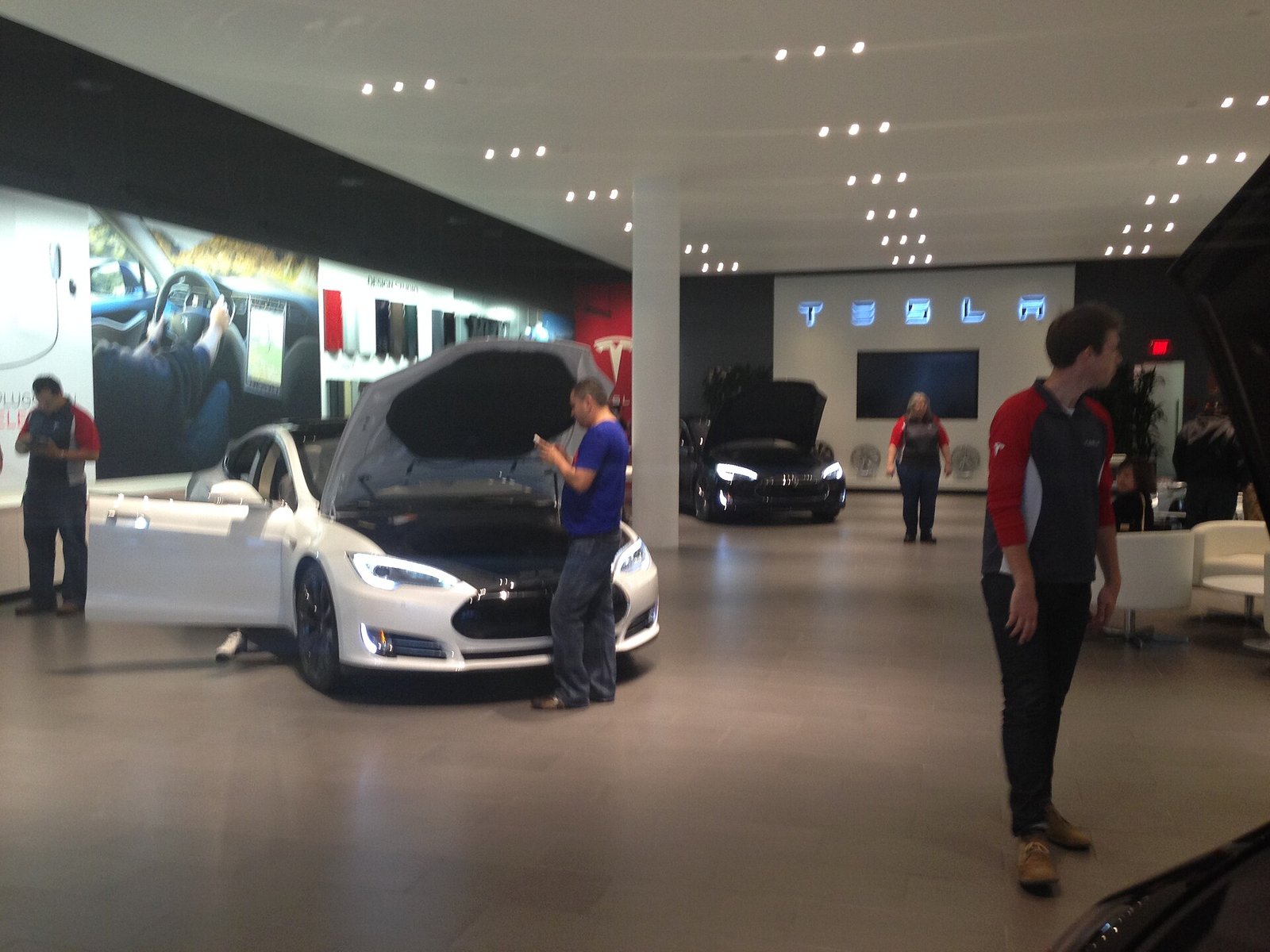
The disclosure also lands against a broader shift in how Tesla sells. The company has moved toward a model in which customers order online and receive a car from inventory, with a shrinking role for showrooms and negotiation. In that system, a reservation is less a contract and more a place in a queue the company manages, and the terms now say so.
The same day brought a second item that concerns a different kind of promise. NBC reported that federal regulators are investigating a crash in California in which the driver told investigators he fell asleep with an assistance feature engaged, and the car struck a highway patrol vehicle. Two officers were injured.
That case sits inside a longer record. The National Highway Traffic Safety Administration has spent years examining crashes in which Teslas operating with driver assistance struck parked emergency vehicles, a pattern that prompted a broad inquiry and a series of recalls conducted through software updates. The agency has the authority to open a defect investigation and to require remedies, and it has used that authority on the company before.
Both stories turn on the same question, which is what a customer is entitled to assume. A buyer who puts down a deposit assumes a car will arrive, and a driver who engages an assistance feature assumes the system will handle what its name implies. In each case the company’s own documents are more careful than its marketing, and the gap between the two is where disputes begin.
The queue itself has a value that does not appear on a balance sheet. A long reservation list is evidence, shown to suppliers and investors, that demand exists for a product that does not, and it has been used that way by every company that has tried to sell a car before building it at scale.
Analysts who cover the company said the reservation terms are unlikely to change behavior among the buyers the Roadster is aimed at. The car functions as a brand asset, a halo product that supports the story of Tesla as a technology company rather than a carmaker, and the people who place deposits are buying into that story as much as into a vehicle.
The regulatory case is the one with financial consequences. A defect finding can bring a recall, a recall brings scrutiny of the software, and scrutiny of the software arrives at a moment when the company is selling the same features on every car it makes.
What to watch is narrow. Whether Tesla updates the reservation language, whether a delivery date gets attached to the queue, and what the safety agency concludes about a crash in which the driver says he was asleep. The first two are questions of disclosure. The third is a question of whether the system did what it was sold to do.