The invitation went out on October 19 for an event called “Pro and Tell,” to be held in Los Angeles on October 28. It is the third Apple product launch this fall, and the name suggests the company intends to spend the hour on the professional end of the lineup rather than on phones.
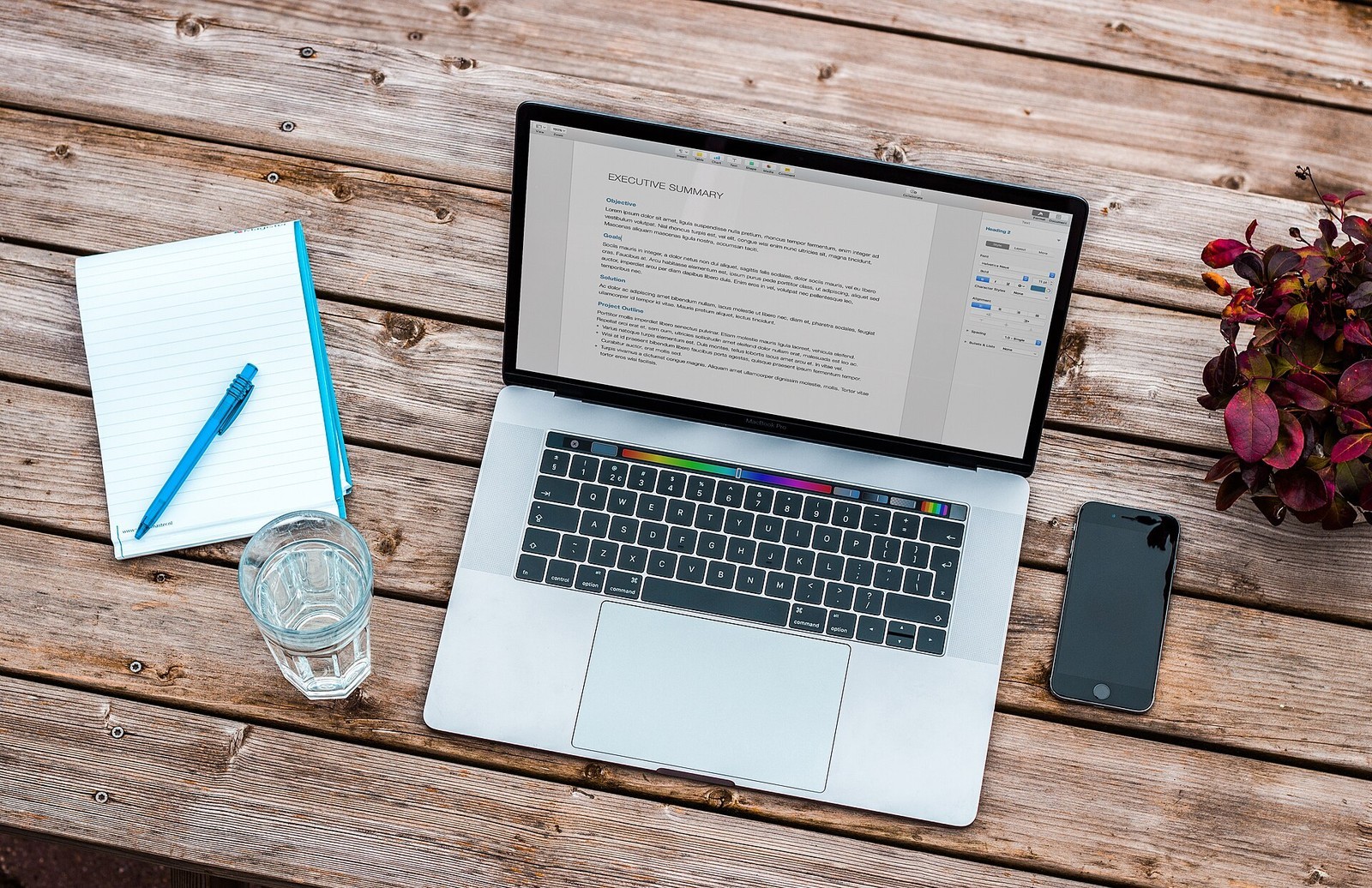
Analysts and reporters who follow the company expect the main announcement to be the first MacBook Pro with a touchscreen, a machine Apple has spent fifteen years explaining it would not build. Bloomberg has reported that the laptop will carry an OLED display, a cutout at the top of the screen in the style of the iPhone, and the M5 Pro and M5 Max chips already used in the current models. The same reporting points to a release in early November, and to refreshed iMac and iPad mini models alongside it.
Apple has not confirmed any of it. The company does not discuss products before it announces them, and the invitation contains no specification beyond the date and the city.
The reversal is the story. Steve Jobs introduced the iPad in 2010 by arguing that touch belongs on a device held in the hands, and executives repeated the point for a decade: reaching across a keyboard to touch a vertical display is uncomfortable, the interface was built for a pointer, and the iPad already exists. Apple’s software chief called the idea of merging the tablet and the laptop a compromise that made both worse.
What changed is the market around the argument. The iPad Pro, priced above 1,000 dollars, competes with a MacBook Air that costs less and does more work. Unit sales of tablets have been flat for years, and the replacement cycle for a laptop is longer than the cycle for a phone, which means Apple sells fewer devices per customer and needs each one to carry a higher price. A touchscreen is one of the few features that can justify a higher price on a product category that has run out of obvious improvements.
The Windows industry has shipped touch laptops for more than a decade, and the feature has never sold a machine on its own. What has sold machines is the convertible: a device that folds flat and becomes a tablet, popular in education, field work and sales calls. Apple has refused that design as firmly as it refused the touchscreen, and there is no indication in the reporting that the new laptop converts. A touchscreen on a conventional clamshell is a different proposition: a shortcut for creative applications and a way to use an Apple Pencil on a display, not a new category.
The software is the harder problem. Mac applications are built for a pointer that lands on targets a few pixels wide, and a finger needs targets several times larger. Making macOS usable with both means changing the interface without breaking the workflows of people who have used it for twenty years, and it means persuading developers to redesign their toolbars. Apple has done this kind of transition before, twice, and both times it took years and cost the company a portion of its developer goodwill.
The event’s location is a signal of its own. Apple has held most of its launches at its campus in Cupertino or in a theater in San Francisco. Los Angeles is where the film, television and music businesses that buy Macs by the thousand are based, and where the company’s services strategy has its most important customers.
The financial context is a company that has grown revenue without growing unit sales. Mac revenue has risen since the M-series chips arrived, partly because the chips are better and partly because Apple raised prices and stopped selling the cheapest configurations. A touchscreen model at the top of the range, with an OLED panel that costs considerably more than the current display, would push the average selling price higher again.
The competitive timing is not accidental. Microsoft and its hardware partners have spent two years marketing machines built around neural processors and local inference, and the personal computer market has returned to modest growth after its post-pandemic decline. Apple’s answer so far has been silicon and battery life, both of which it already sold. A new display and a new input method give the company something to say in the fourth quarter, when retailers place their holiday orders.
There is a risk in that direction. The iPad Pro and the MacBook Pro have been converging on price for years, and a touchscreen Mac narrows the reason to buy the tablet. Apple has managed cannibalization before by owning both sides of it, and a customer who switches from an iPad to a MacBook still pays Apple, but the margins are not identical and the app ecosystems are not either.
For the developers in the room on October 28, the question will not be whether the hinge folds or whether the screen responds to a finger. It will be whether Apple ships a version of its professional software, and a set of interface guidelines, that makes touch worth the price of the upgrade. The hardware has been available from competitors for a decade. The reason to expect Apple to do it better is the software, and the software is the part that has not leaked.