The email arrived in August, according to a report in Business Insider on October 19, and it described a process with an unremarkable name: early rack receipt. Under the arrangement, Amazon began taking delivery of Nvidia GB300 racks before the data centers built to hold them were ready, and paying for them on delivery. About 5 billion dollars of the equipment arrived that month. The pace since then has been roughly 3 billion dollars a month.
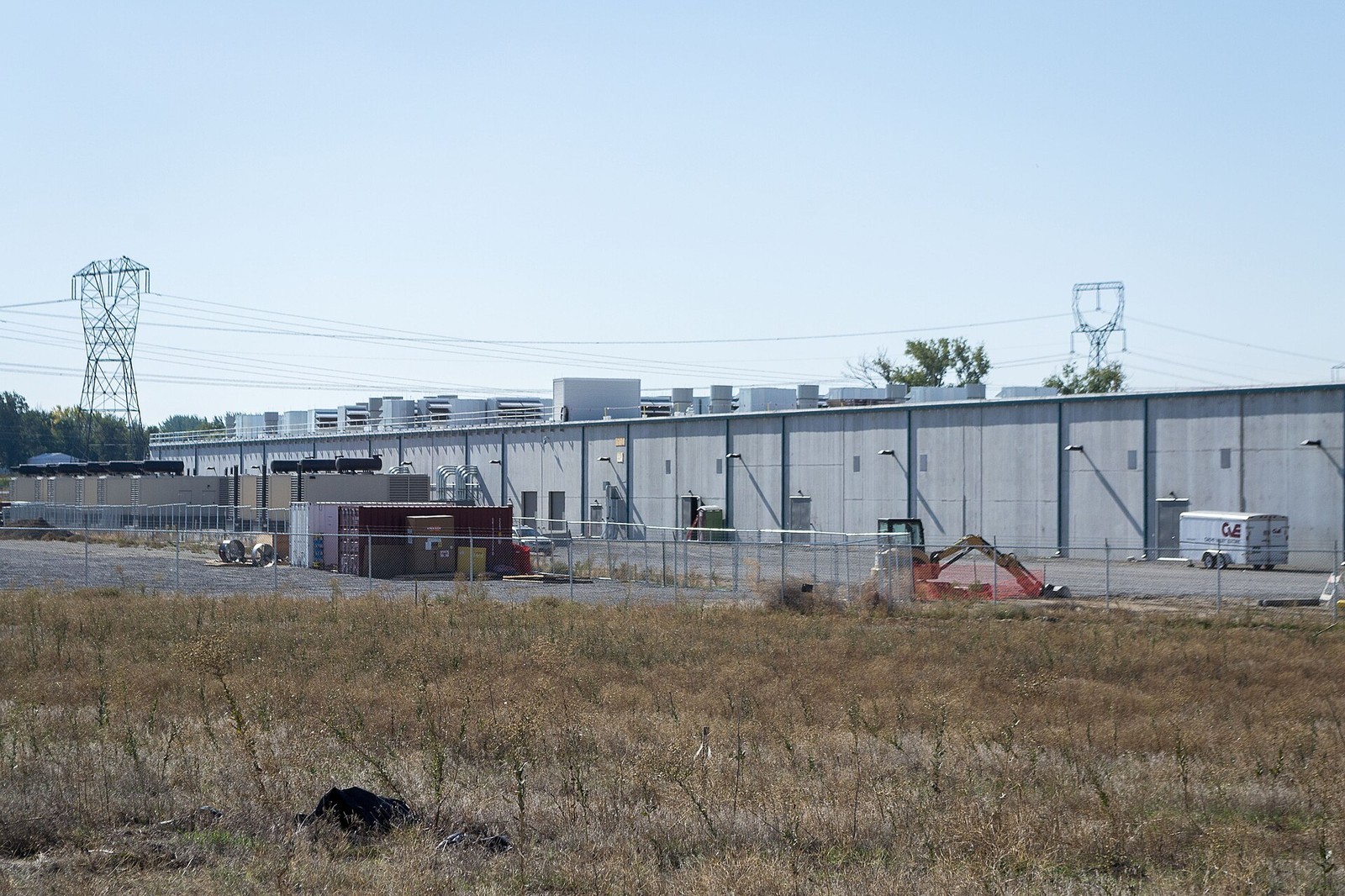
Some of those racks are in warehouses. The buildings they were ordered for do not yet have enough electricity to run them, and rather than leave the hardware with the supplier, the company took title, which means it also took the cash outflow.
In September, at an internal meeting, the finance chief of Amazon Web Services raised the subject with the executive in charge of infrastructure. According to the account of the meeting, he told his colleague that the company’s overall free cash flow had turned negative, and offered congratulations. The executive did not dispute it.
The numbers behind that exchange are in the filings. Amazon expects capital spending of about 220 billion dollars this year, close to four times its full-year total for 2022. In its second-quarter report, free cash flow over the trailing twelve months was negative 7.6 billion dollars, against positive 1.8 billion dollars a year earlier.
A company can spend that much and still generate cash, if the spending is matched by depreciation from assets already earning. Amazon’s problem is that the assets are arriving faster than the revenue they produce. A rack in a warehouse is a depreciating asset with no attached invoice.
The comparisons published this year make the scale plain. Alphabet has guided to between 195 and 205 billion dollars. Microsoft has indicated about 175 billion.
Meta’s range tops out near 145 billion. Amazon is spending more than any of them, on a business, cloud computing, that was for most of its history the company’s cash machine rather than its largest consumer of capital.
The demand side is not in question. AWS revenue grew 37 percent in the second quarter from a year earlier, and the backlog of contracted work stood at 496 billion dollars. Those are the numbers that justify a buildout. They are also the numbers that make the cash flow problem awkward to explain, because a backlog measures commitments, not collections, and the equipment has to be bought years before the contract is billed.
What the early-receipt arrangement does is move a cost forward in time without moving the corresponding revenue. Accounting rules require a company to start depreciating an asset when it is placed in service, and equipment sitting in a warehouse raises the question of when that moment occurs. Companies have latitude here, and auditors have been paying closer attention to it as the sums have grown.
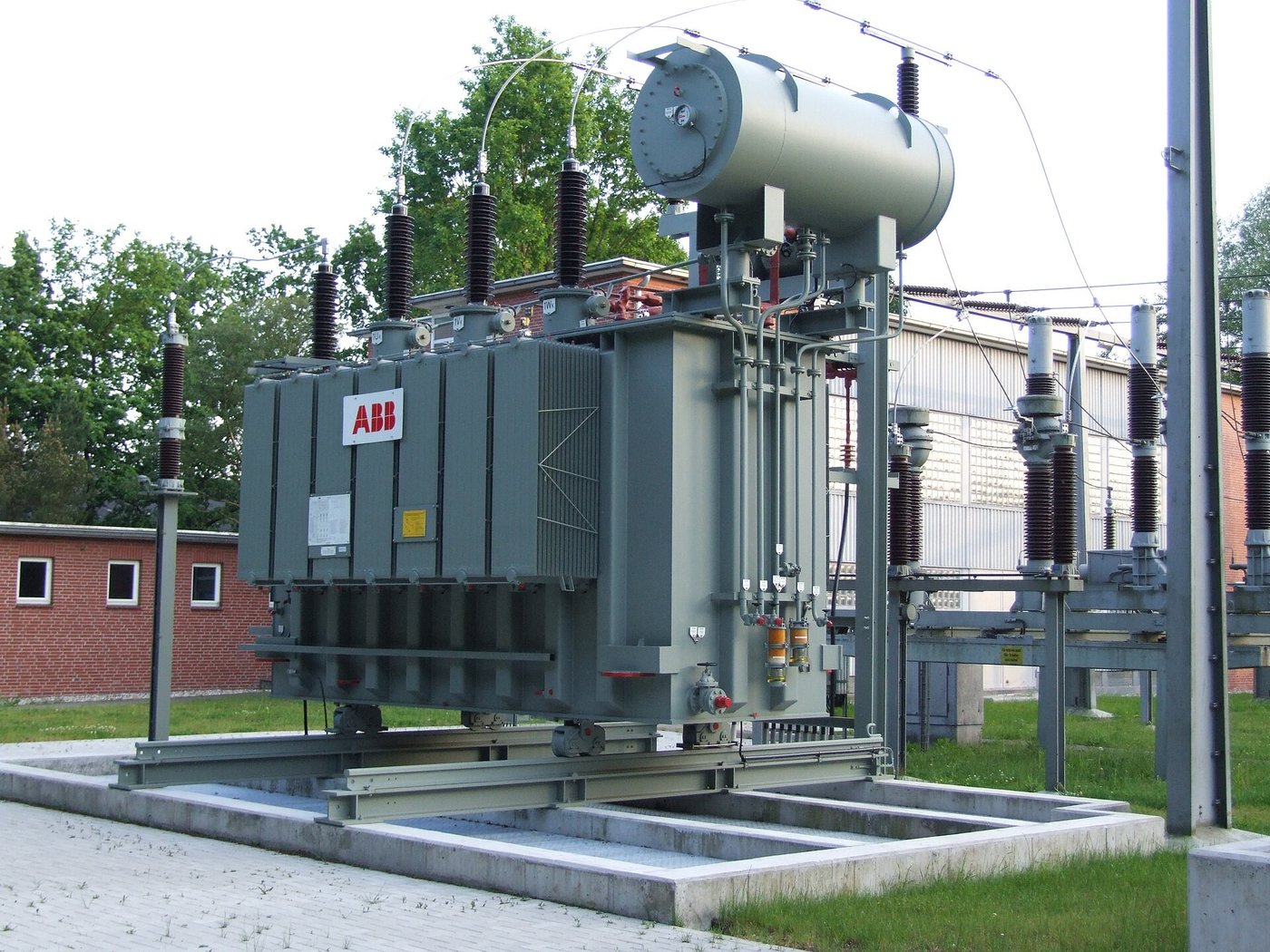
The power shortage is the part that turns a scheduling choice into a financial one. For three years the constraint on artificial intelligence capacity was the supply of accelerators. That has loosened as Nvidia has increased output, and the bottleneck has moved to substations, transformers and the interconnection queues that connect a building to a grid. A data hall without power is a very expensive empty room.
Amazon is not alone in confronting it, but it is the largest buyer, and it has chosen to absorb the mismatch on its own balance sheet rather than let it sit with suppliers. That decision has a logic: racks ordered later may cost more, may arrive later, and may be allocated to a competitor. Taking delivery early protects the position in the queue for hardware. It gives up the option to wait.
There is a second cost that does not appear in the equipment line. Building at this pace requires land, transmission, water and local permits, and the company has been assembling all four across several states, including a nuclear project in Indiana announced this month that would supply 960 megawatts from twelve small reactors. Those commitments are years from producing a megawatt, and the money leaves the account before the electricity does.
Wall Street has been patient with this. Cloud businesses are valued on growth and on the durability of contracts rather than on near-term free cash flow, and Amazon’s shares have held up better than the balance sheet arithmetic would suggest. The tolerance has limits, and the limits are usually reached in a quarter when depreciation catches up with the growth rate.
The internal exchange reported this week is a small thing, a joke between two executives at a meeting. It is also a signal about how the company sees the trade-off. The finance side knows what the spending is doing to the cash flow statement.
The infrastructure side knows what happens if the capacity is not there when the customers arrive. Both are right, and the argument between them is the argument the entire industry is having.
What is not yet known is whether the racks in the warehouses are a temporary mismatch or the beginning of a pattern in which hardware outruns the grid by a year or more. The answer depends on construction schedules that Amazon does not control and on utilities that have their own queues.
The company’s position is that the spending is underwritten by demand it can see. Its critics point out that the demand it can see is a backlog, and that a backlog is a promise made by a customer who is also spending at a rate no one has tested. Both statements are true, and the cash flow statement is where they will eventually be reconciled.
For now the warehouses are full, and the bills are paid.