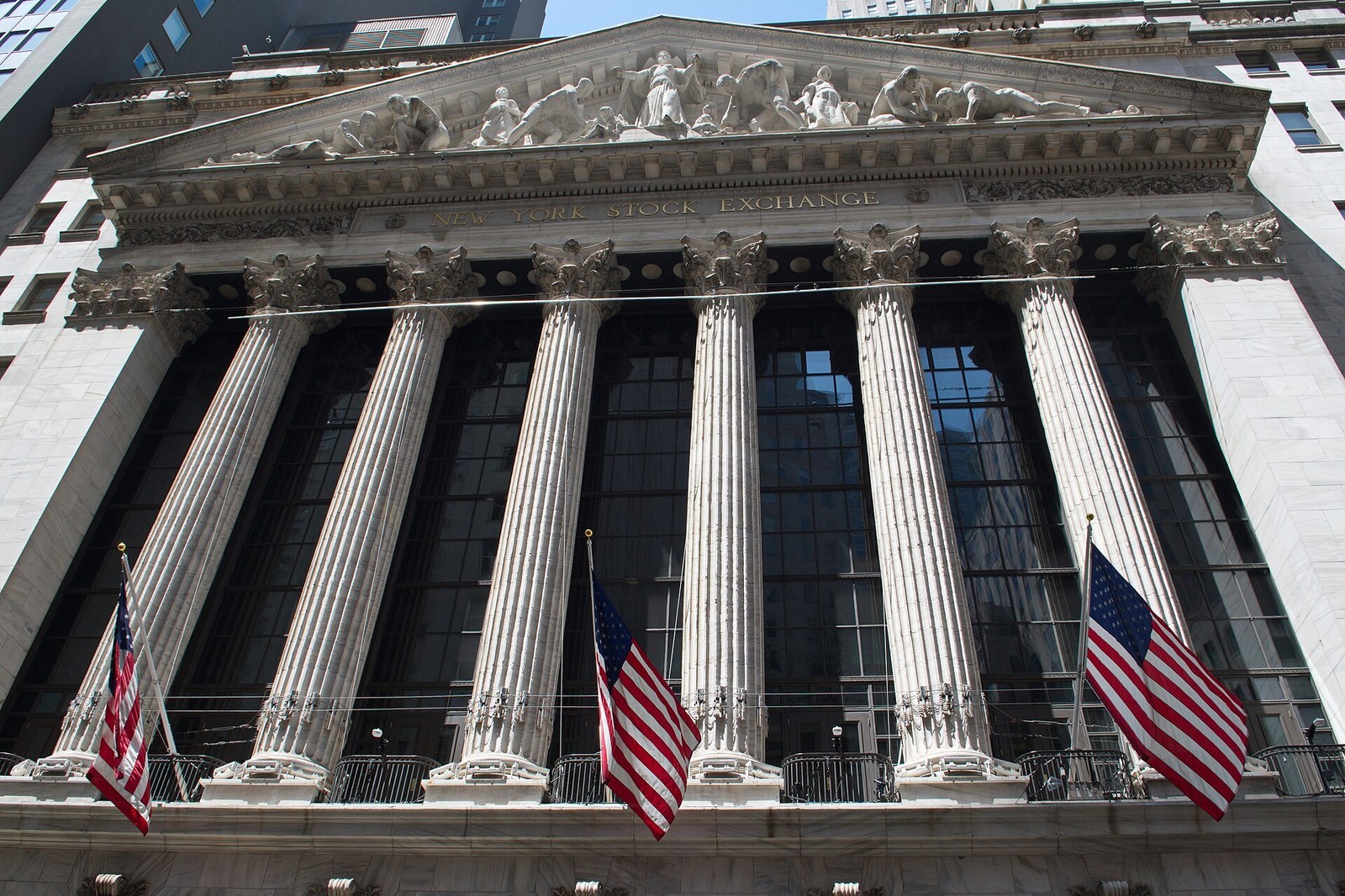
At 7:30 on Monday morning, NYSE American began accepting orders for options on the S&P 500’s most traded fund, on Apple, on Nvidia and on a short list of other names, two hours before the stock market opens and about two hours before the options market normally does. At 4 p.m. it will keep going for another fifteen minutes.
The New York Stock Exchange is not the first venue to stretch a trading day. It is the largest and the most symbolic, and its decision to begin on October 19 puts a question in front of brokers, market makers and the regulators who supervise them: how much of the trading day should exist for the convenience of people who do not live in New York?
The early session runs from 7:30 to 9:25 Eastern, the late one from 16:00 to 16:15. The first group of underlyings is short and deliberately liquid: SPY, the iShares Russell 2000 ETF, the SPDR Gold Trust, and single-name options on Apple, Microsoft, Nvidia, Alphabet, Amazon and Oracle. Those are the contracts where a quote can be found at almost any hour, which is the point. A venue cannot open a session for instruments nobody trades.
Kevin Tyrrell, the exchange’s chief product officer, described the extension as a response to demand and said it gives investors more time to manage risk. That is the official version, and it is not wrong. It is also the version every exchange gives when it extends hours, because the alternative explanation is less flattering to everyone involved.
Cboe opened pre-market trading in options on several large stocks the same day. The two announcements, arriving together, describe a competition that has been running quietly for two years: the venues are no longer arguing about fees, they are arguing about clocks.
The numbers explain the urgency. Options on the names that would qualify for extended sessions accounted for 53 percent of United States options volume as of September, according to a count by Finance Magnates. Half the market, in other words, sits in instruments that could plausibly trade at 7:30 in the morning. Exchanges that do not offer the session risk watching that half migrate to one that does.
What the change does not do is create liquidity. It redistributes it. An options market is a market in risk transfer, and the price of transferring risk at 7:40 a.m. is not the price at 10:15, when thousands of professionals are at their desks, quoting both sides and hedging in the underlying.
The hours before the open are thin in every asset class. In options, where a dealer must hedge a delta in a stock that is not yet trading, they are thinner still.
That is the trade investors are being offered. Someone in Singapore who wants to react to an earnings release at 4:30 p.m. New York time no longer has to wait until the next morning or route the order to an overseas venue with its own rules. Someone in Ohio who sells a contract at 7:45 a.m. may discover the spread is twice what it would be three hours later, and that the quote he saw was the only one there.
Market makers have been preparing for this for a while, staffing desks earlier, extending risk limits, adjusting the models that price volatility across a longer day. The firms that can afford overnight coverage will do more volume. The firms that cannot will narrow the set of names they quote, which is how a broad session becomes a narrow one in practice.
There are mechanical questions that the announcement does not answer. Options clearing runs on a schedule built around a single close, and the industry has spent decades refining the closing rotation that sets settlement prices for expiring contracts. Extending the session at the edges is simpler than extending the process in the middle. Data fees, best-execution obligations and the rules brokers use to route retail orders were all written for a 9:30-to-4 day.
The precedent is the stock market, and the stock market’s experience is instructive. Overnight trading in equities has grown steadily since the venues that offer it opened, but it remains a fraction of the volume done during regular hours, and the spreads are wider. Liquidity follows people, and most people are asleep at 3 a.m. The options market is likely to follow the same curve: a useful facility at the margins, not a second full session.
For the exchanges, though, the margins are where growth has been. Volume in the regular session has been consolidating for years as brokers internalize more retail flow and the largest market makers concentrate. A new session is new billable volume, new data to sell and a new argument in the sales pitch to brokers who route for clients in Asia and Europe.
For regulators, the question is whether the guardrails that protect small investors were designed for a market that never closes. The Securities and Exchange Commission has spent the past several years rewriting equity market structure around a definition of the trading day that this announcement quietly loosens.
The NYSE has said it will evaluate the program and expand the list of eligible names over time. That expansion is the part worth watching. A session that covers SPY and six mega-caps is a convenience for professionals. A session that covers a few thousand small companies is a different product, sold to a different customer, and priced by dealers who will be quoting into a market with almost nobody in it.
Monday’s opening bell still rang at 9:30. It was simply no longer the first trade of the day.