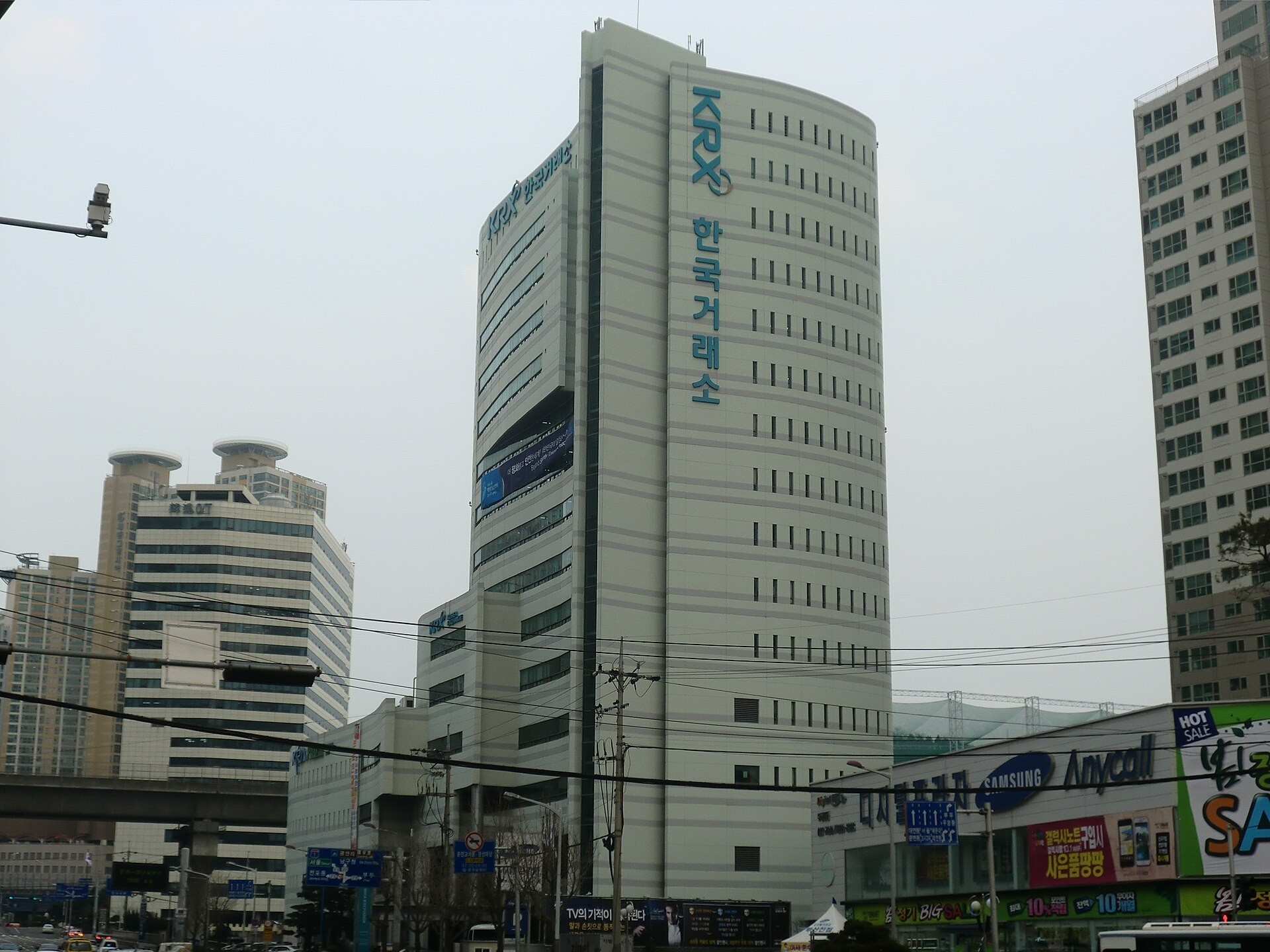
The offer price was 90,500 won. Elice opened lower, kept falling, and closed its first session on the Kosdaq at 61,500 won, down 32 percent, after touching 61,400 earlier in the day. The company raised 201 billion won, about 151 million dollars, in the largest listing on Korea’s growth exchange this year, and retail investors had bid for 400 times the shares available to them.
That combination, a hot book and a broken price, describes the year in artificial intelligence infrastructure more accurately than any of the offerings that worked. Elice is a Seoul company that began as an education software business and became something the bankers could sell as an AI cloud: it rents computing and runs private models for corporate and government customers. Korean brokers compared it to the American neoclouds. The American neoclouds have spent the past month being repriced by their bondholders.
The fundamentals disclosed in the listing process were not the problem. Revenue in the first half of the year reached 34.4 billion won, roughly double the same period a year earlier, and operating profit was 10.3 billion won. A 30 percent operating margin on a business growing at that rate is unusual in any market, and rarer in cloud computing, where scale is supposed to precede profit.
At the offer price, those numbers supported a price-to-sales ratio of about 14.5 times annualized revenue. After the first day of trading, the same numbers supported about 10. Whether 14.5 is expensive depends entirely on the comparison set, and this week the comparison set was falling. AI infrastructure shares in New York have been sliding since credit investors began asking how the capacity gets financed, and a Korean listing cannot hold a multiple that its American peers have already given up.
The 400-to-one retail oversubscription explains the rest. Korean offerings allocate a large share to individual investors, who borrow to subscribe and expect the first-day pop that the market has delivered often enough to be treated as a rule. When the rule breaks, the same investors sell immediately, and the price finds the level that institutions were willing to pay all along.
The offering did not fail. It was priced for a market that had already changed, by bankers who read the American comparables correctly and then priced at the top of the range anyway, because a book four hundred times oversubscribed leaves little choice.
Elice’s own case rests on the government. Seoul has committed public money to sovereign AI capacity, and much of the demand for domestic cloud and domestic models is directed by policy rather than by price. That is a durable base of revenue and a ceiling on margin, because public procurement tends to be renegotiated and rarely expands at the rate private contracts do. The company’s 200 percent growth came from a small base and a lot of new contracts, and the second half of the year has to be compared against the first half of this one.
There is also the question of what the money is for. A cloud business that rents accelerators is a business of capital expenditure, depreciation schedules and customer concentration, and the proceeds of a 151 million dollar raise are modest against the cost of the hardware involved. The larger Korean conglomerates, Naver and KT among them, are building the same capacity with their own balance sheets and their own data centers. Elice has to win on service and on the fact that it is not a conglomerate.
Korean listing rules lock in a substantial part of the institutional allocation for a period measured in months, which means the float that traded on day one was thin. Thin floats exaggerate moves in both directions, and the overhang of shares still to become tradable will be a factor in every rally attempt through the winter. Investors who bought the story at 90,500 won have a long wait before they learn whether the institutions agree.
The market backdrop was not helpful. The Kosdaq Composite fell more than 3 percent the same session, so part of the decline belongs to the index rather than the company. But an index decline does not produce a 32 percent first-day drop in a stock with a 400-fold oversubscription. That gap is specific, and it is about the price at which AI capacity is valued rather than about the capacity itself.
What the listing does establish is that the demand for AI computing in Korea is real enough to build a profitable company on, and that public equity markets are no longer willing to pay any multiple for the exposure. Those two statements can coexist. They did in the United States this month, and they did in Seoul on the first day Elice traded.
The company now has the capital it raised, a public currency for acquisitions, and a share price that makes both harder to use. Management will report again in November, and the number that matters is not revenue growth but whether operating margin holds as the company spends the proceeds. At 10 times sales, the market has left room for the answer to be yes. It has stopped assuming it.