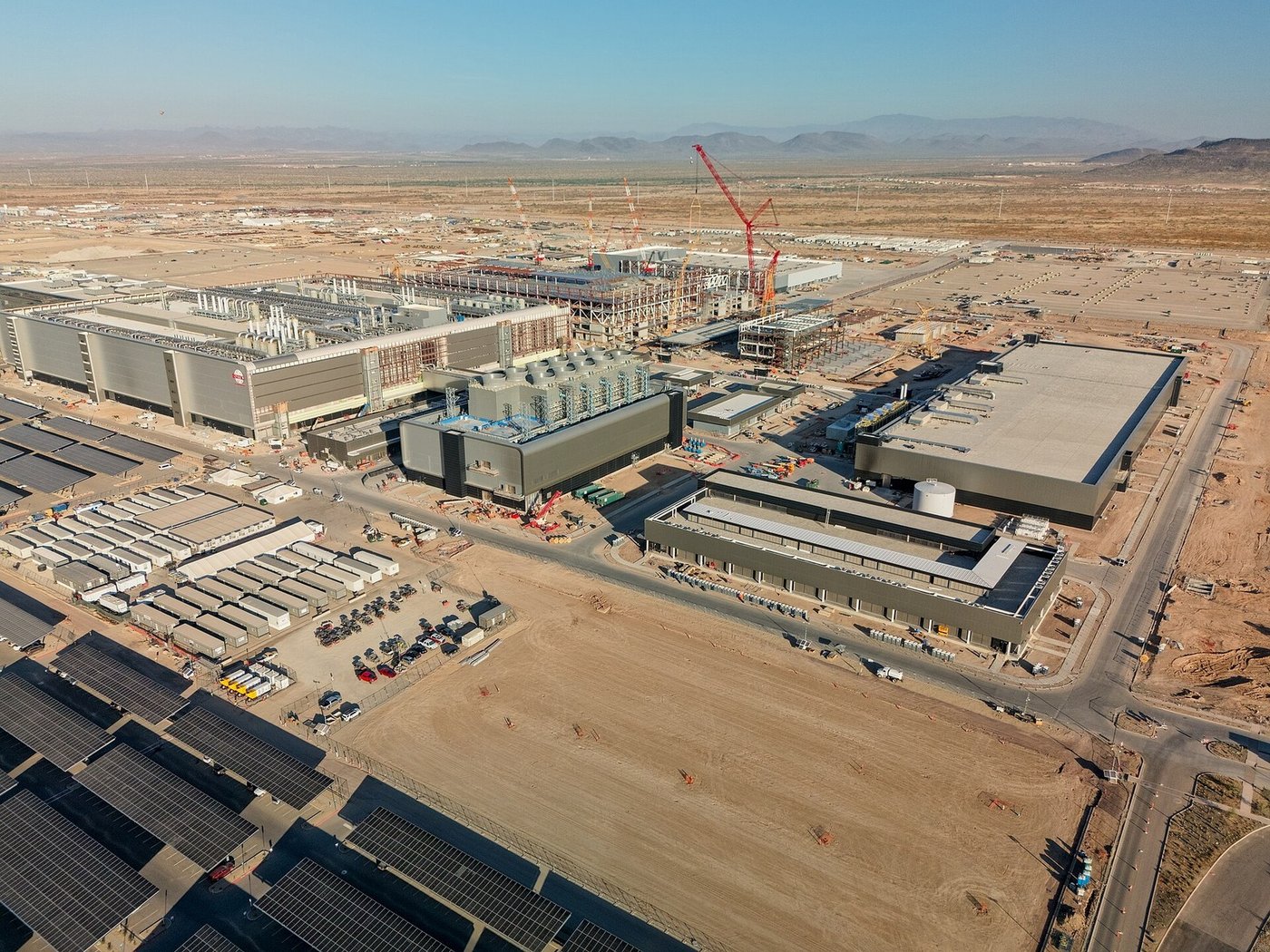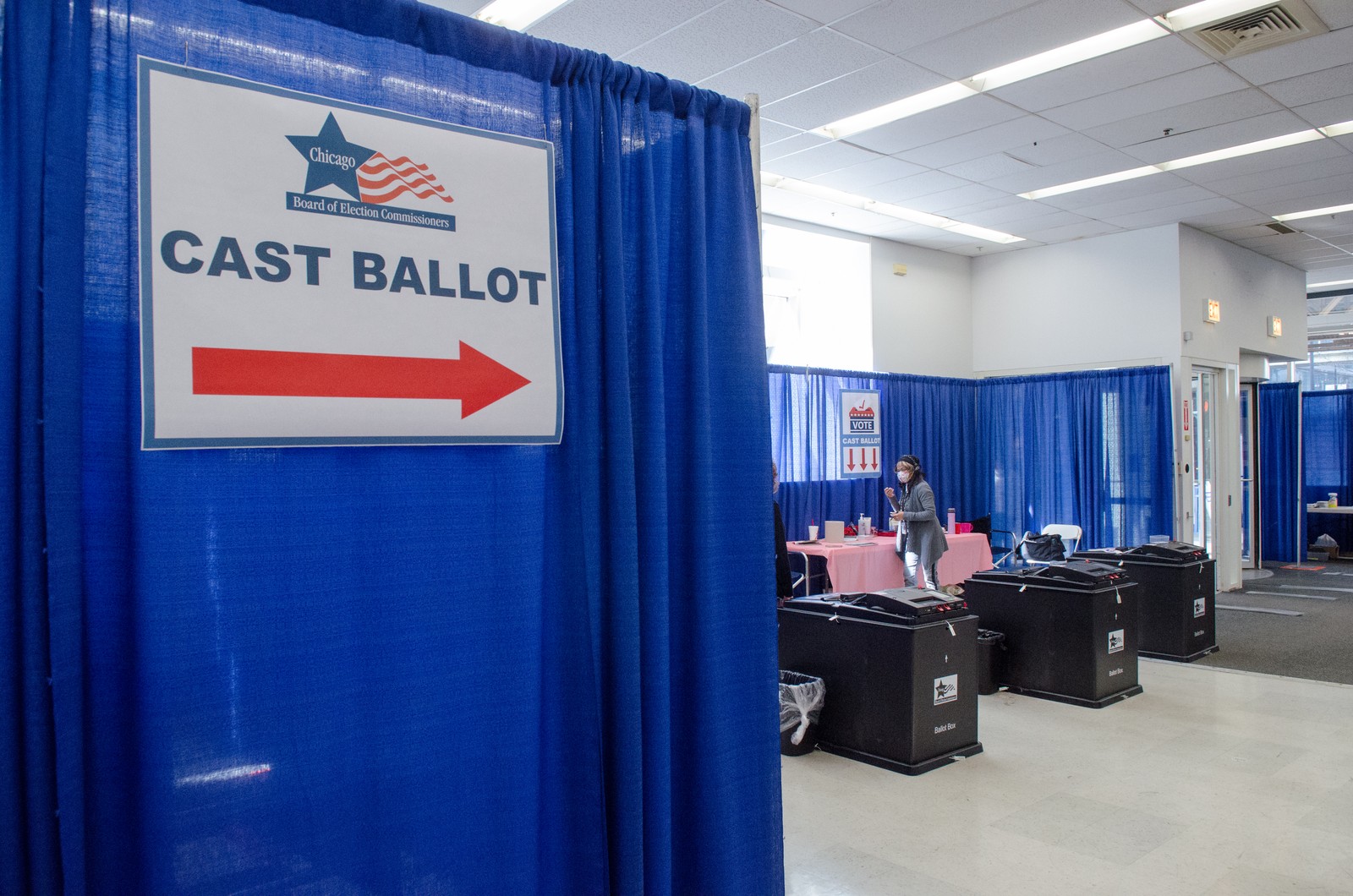
In Piqua, Ohio, a city of about 20,000 people on the Great Miami River, voters will decide on Nov. 3 whether to recall three city commissioners who supported a data center project, and whether to amend the city charter to prohibit one from being built at all. The two questions appear on the same ballot, and they point in the same direction.
Piqua is one precinct in a larger count. Voters in ten states will decide 41 local measures related to data centers on Tuesday, according to Ballotpedia, out of at least 49 such measures the site has tracked across 13 states this year. Seventeen of the November measures would prohibit data center development outright; eight would give local governments authority to permit it.
The measures are not uniform. Some are charter amendments that would forbid construction, others are zoning changes that would add setbacks, noise limits or conditional-use permits, and a handful would require voter approval before a project could connect to the grid. Illinois has seven measures this year, four of them in Madison County, where a cluster of proposed campuses has turned a single planning dispute into a countywide ballot question.
Ohio carries the largest share. Twenty-one of this year’s 49 measures are in the state, spread across 18 jurisdictions, and at least 138 Ohio municipalities and townships had active moratoriums on data centers as of September, according to a count by the Ohio Capital Journal. The state has become the test case because it has both cheap power and a planning process that lets townships act on their own.
The pattern in the results so far has been one-sided. All six data center measures decided earlier this year went the restrictive way, according to a tally by Axios, including votes in New Hampshire and Wisconsin. Local measures are not opinion polls; they are binding changes to zoning and charters, and a yes vote can stop a project that has already bought land.
Public opinion has moved with them. A Quinnipiac University poll released Sept. 30 found 72% of Americans would oppose an AI data center in their own community, up from 65% in March. The same survey found 86% support for independent safety standards for AI companies, which suggests the objection is not to computing in the abstract but to the specific costs, noise, water use and power lines that arrive with a facility.
The money at stake is large and increasingly contested. Data Center Watch, a research group that tracks local opposition, counted at least 45 projects worth $68 billion that were blocked or delayed in the second quarter of 2026, a level it described as consistent with the first quarter. Bloomberg reported on Nov. 2 that the ballot measures would tax, regulate or ban AI infrastructure in dozens of cities, putting hundreds of billions of dollars of planned investment at risk and leaving both hyperscale operators and the developers that build for them exposed.
The two groups face different problems. A company like Meta can absorb a delay in one county and build in the next; a developer like Applied Digital, which builds campuses and leases them, has borrowed against a specific site and a specific schedule. Local votes hit the second group first.
The measures also test a legal question that has been building for two years: whether a township can refuse infrastructure that a state has decided it wants. Several state legislatures have moved to preempt local zoning for data centers, and courts in Ohio and elsewhere are being asked to decide which level of government controls land use when a project is tied to the regional grid.
Power is the reason the fight is local. A large campus can draw as much electricity as a small city, and the interconnection queue, the substations and the transmission lines are approved by bodies that answer to state regulators and sometimes to no elected official at all. Residents who cannot influence a grid operator can influence a zoning board, and they have learned to use the lever they have.
The companies have responded with money and with promises. Some have offered payments in lieu of taxes, funded fire trucks and schools, and signed agreements to curb water use or noise. Those offers work better in places that want the tax base and worse in places where the objection is to the industry itself. In Piqua, the commission that approved the project did so over local objection, and the recall is the consequence.
What Tuesday will not settle is whether the buildout slows. A vote against a data center in one township moves the project, and often the load, somewhere else, which is why national totals have kept rising even as local rejections accumulate. The measures matter most as a signal to state legislatures, which write the rules that counties and townships operate under, and to the lenders who price the risk of a site that can be voted away.
For the people in Piqua, the question is narrower. They will decide whether the commissioners who backed the project keep their seats, and whether their charter forbids the next one. Either way, the file does not close on Wednesday.