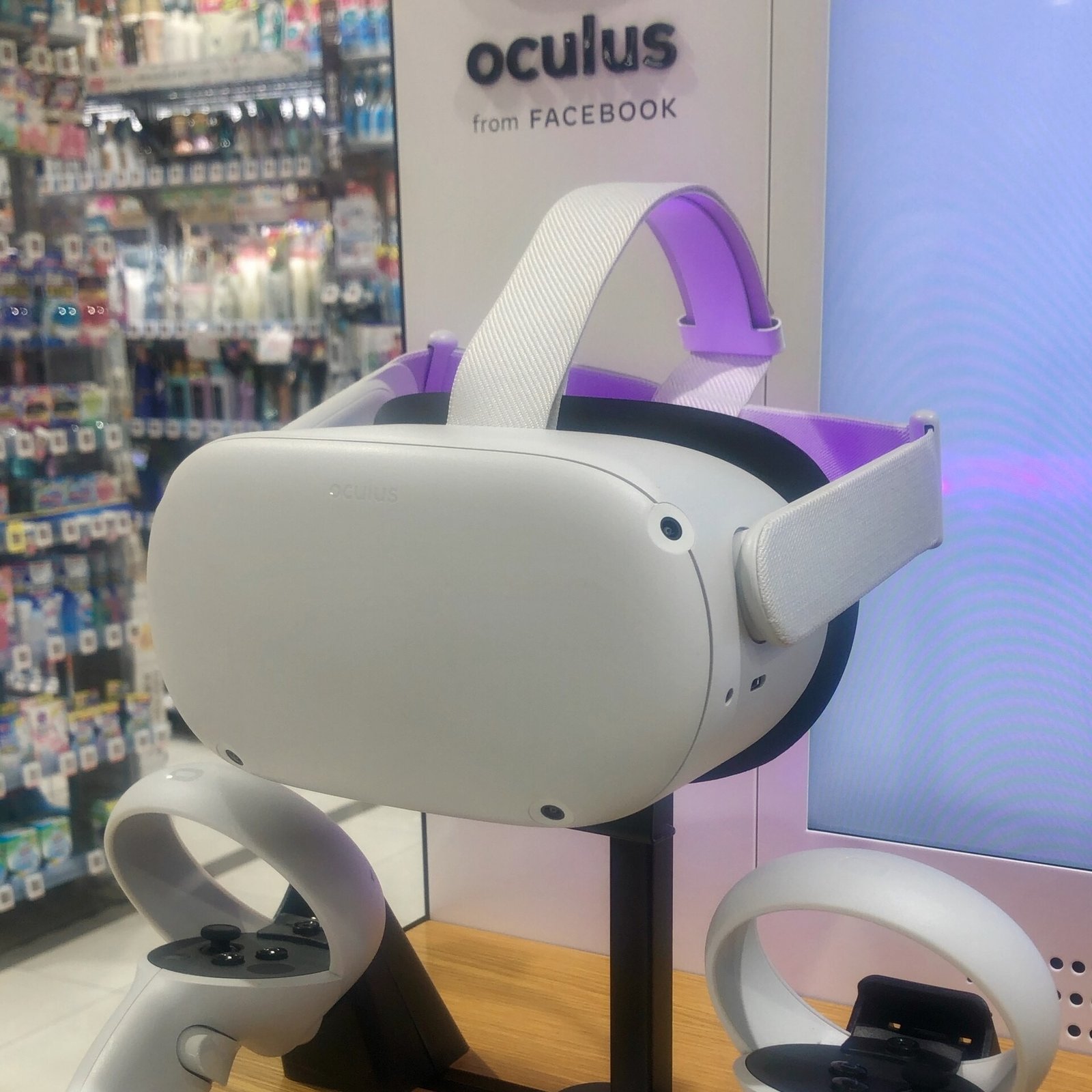
The headset that put virtual reality in a few million living rooms will stop receiving new software in 2027. So will the expensive one that was supposed to sell the idea to offices.
Meta confirmed on Nov. 2 that the final system release for the Quest 2 and the Quest Pro is version v213. From 2027 the company will stop shipping feature updates and security patches for both devices. Apps that owners have already bought will keep running, according to the company, a more generous ending than some hardware gets and a narrower one than enterprise buyers had assumed.
The Quest 2 was the product that turned VR from a demo into a category. It arrived in 2020 at a price that made it a plausible gift, and Meta sold it at roughly the cost of making it, a decision the company has never hidden. The strategy was to buy an install base and hope that software, advertising and eventually a computing platform would pay for the hardware. Millions of units later, the install base existed; the business model did not arrive on schedule, and the division that builds the hardware has been the company’s largest source of operating losses for years.
The premium model followed in 2022 with a different pitch. It was aimed at designers, trainers and companies that wanted headsets for meetings and simulations, with better optics, face and eye tracking, and a price to match. Reviewers admired the engineering and questioned the use case, and the product never accumulated the developer interest that would have justified its cost. Meta has since focused its messaging on the consumer headset line and on lighter designs, and the premium device has receded from the company’s public roadmap.
Cutting support is a normal step in a hardware cycle. What is unusual is the length of the gap it leaves. A phone typically receives security updates for five to seven years; a headset sold to businesses in 2022 will get none after 2027, and the operating system underneath it is a fork of Android that Meta maintains itself. Any flaw discovered in that fork after the cutoff stays open. For a consumer who uses the device to watch video and play games, that is a manageable risk. For a hospital, a factory or a training department running a fleet of them on a managed network, it is a procurement problem with a deadline.
The device does not become a brick. The store remains open, downloaded titles continue to launch, and the hardware keeps working until a component fails or a server-side service it depends on changes. That is how these sunsets usually go: not a single switch-off date but a slow erosion, in which multiplayer lobbies empty, apps stop being updated for an old runtime, and the browser bundled with the system falls behind the web. Owners notice the second year, not the first.
Developers have already been steering their work toward newer hardware, where the install base and the performance are. Studios that spent the early years of the cycle learning to fit a game into a mobile chip now target the newer headset’s controllers and cameras, and the older devices become a compatibility mode rather than a platform. Meta’s store rules have encouraged that drift.
There is a wider question about what happens to the hardware that built the market. Headsets contain batteries, lenses and displays that are difficult to recycle and are rarely repaired, and a five-to-seven year life is short by the standards of a television, which is the appliance a headset most resembles in a living room. Meta has not published a trade-in program alongside the announcement, and the secondhand market for a device without security updates is thin.
Meta’s support windows have run short before, and the company has been fairly open about the trade-off: engineering effort follows the newest hardware, because a platform only works if developers can assume a floor of performance. The cost of that logic falls on whoever bought the previous generation at full price, which in this case includes businesses that standardized on the premium headset for training, design reviews and virtual showrooms.
Nothing in the announcement changes what the devices can do this year. It changes what they will be able to do in five years, and what a used one is worth in three. Buyers who treat a headset like a games console will shrug, because consoles also lose their stores eventually. Buyers who treat it like a laptop will notice, and will ask their procurement teams a question the vendor has already answered.
For the company, the decision is simply housekeeping. Two products are past their sell-by date, and engineering hours are better spent on the next ones. For the people who bought the premium model as a work tool, the message is that the platform’s owner sets the clock, and the clock runs faster than the depreciation schedule they were given when they signed the purchase order.