The queue at the Texas grid operator is where the state’s data center projects have been waiting, and it is where the next governor has decided to keep them.
Gina Hinojosa, who won the governor’s race in this month’s midterm elections, said she will extend the de facto moratorium on new data center projects once she takes office, and hold it until the legislature passes formal rules. The current freeze dates to September, when Governor Greg Abbott’s administration stopped approving environmental reviews for the projects. Hinojosa described that step as a stopgap taken before an election. She intends to keep the substance and change the justification.
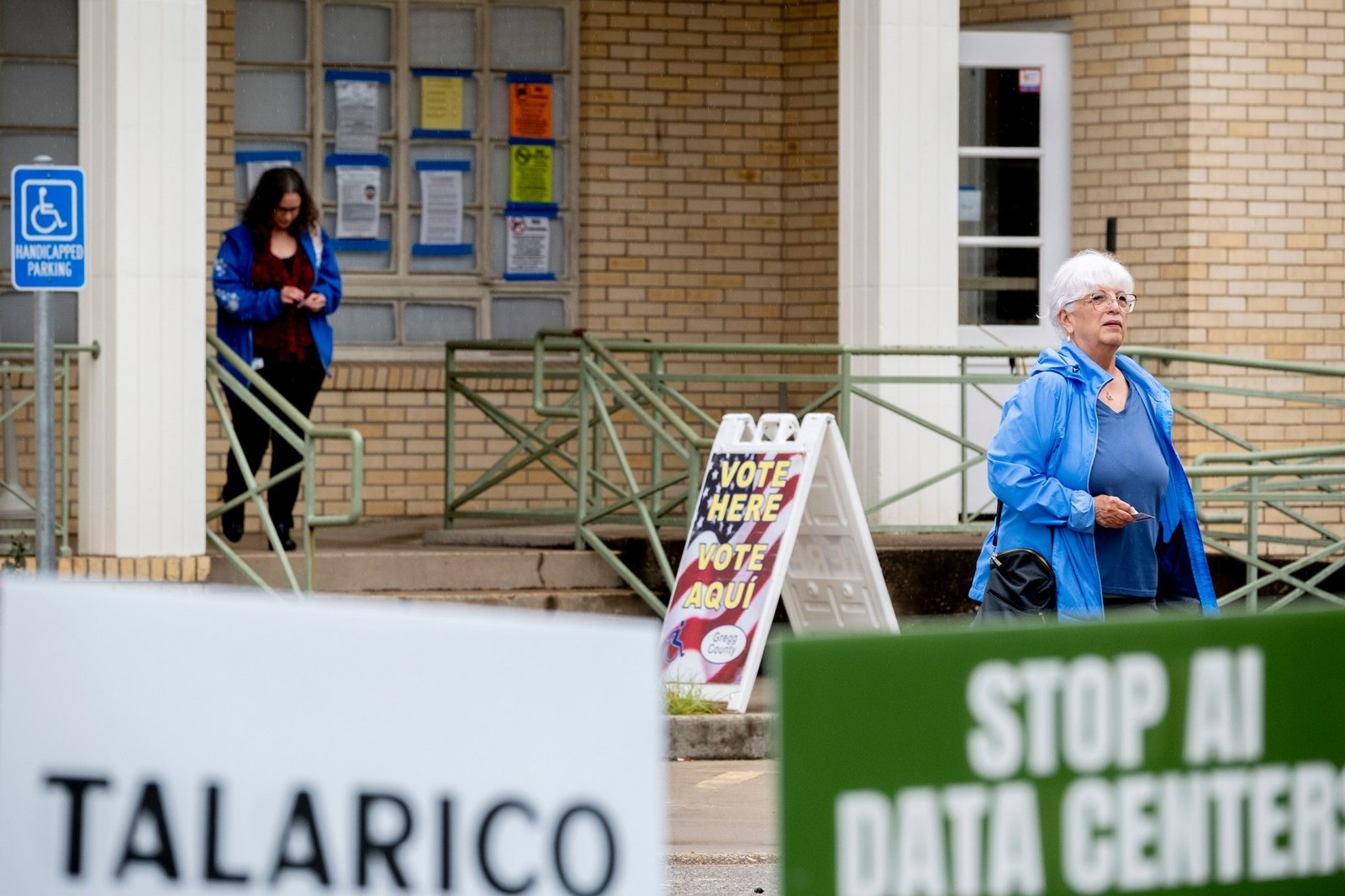
Her conditions go further than the pause itself. She has said data center companies must show that their projects will not push up residential electricity and water prices, must not rely on confidentiality agreements to keep terms from the public, and must give up the subsidies that have been used to attract them. She also wants the decision on whether a project is built to go to a community vote rather than to an administrator’s signature.
Taken together, those four demands describe not a delay but a different approval regime. Each one removes a tool that developers have used to get projects built quickly. The nondisclosure agreement is how a company keeps its power contract out of a rival’s hands and out of a newspaper. The subsidy is how a county wins a project against the next county. The administrative approval is how a project avoids a public campaign. Hinojosa is proposing to take all three away and add a vote at the end.
The freeze is real, but it is procedural rather than statutory, which is why the distinction between a moratorium and a policy matters. A governor cannot ban a category of industrial customer. A governor can decline to process the environmental reviews that a connection requires, and a project without a review does not get built. Abbott’s September action did exactly that, and it produced the pause that Hinojosa now says she will continue. The mechanism is unglamorous: nothing is prohibited, everything is slowed.
The grid operator’s own timetable now sits inside the political one. The Electric Reliability Council of Texas has said its interconnection review is expected to be completed in December. That date sits before the new governor’s term begins, and it is the point at which the queue either clears under the old rules or stays blocked under the new ones. A review completed in December could hand the incoming administration a batch of projects approved by the outgoing one, which is exactly the outcome a promise to hold the line would have to confront.
For the companies, the arithmetic of a Texas site has changed twice in a year. What a developer buys in Texas is time: land, power, and an approval path that runs through a state rather than a city. If that path now requires a review the governor’s office controls, a public vote, and a rate structure built around residential bills, the time advantage narrows, and the comparison shifts to states that have not imposed those conditions. A developer choosing between sites does not need Texas to be hostile. It only needs Texas to be slow.
The political calculation behind the promise is easier to read than the policy. Residential electricity bills are the part of the grid that voters see every month, and data centers are the visible new load. A candidate who promises that the load will pay for itself, and that neighbors get a vote, is offering voters a way to say yes to the industry in general while saying no to the project at the end of the road. That is a durable position, and it costs the governor nothing until a specific project with a specific payroll arrives.
The industry’s counterargument is not that the concerns are imaginary but that the remedy is mistimed. A connection queue that clears in December is a queue that was built on rules the applicants could read when they filed. Changing the rules between the filing and the decision is the kind of step that gets litigated, and litigation is slower than any moratorium. Whether the legislature writes the rules before the courts do is now the operative question, and the legislature moves on its own calendar.
Hinojosa has said the pause lasts until the legislature acts, which places the burden on a body that meets on its own calendar and answers to the same voters. A bill that imposes water disclosure, bans confidentiality clauses and requires local votes would remove the three instruments that have made Texas projects fast. It would also be the first test of whether the political coalition that elected her will hold when the first large project, with its tax base and its jobs, is the one being voted down.
December will show which of the two clocks runs faster. If the grid operator finishes its review and the projects clear, the new governor inherits an approved pipeline and a promise to subject it to votes that have not happened. If the review slips, the freeze continues without a statute behind it, and the state’s answer to the data center boom becomes a procedural habit rather than a law. Either way, the question for the next session is the same: who decides where the machines go, and what a community is allowed to know before it decides.