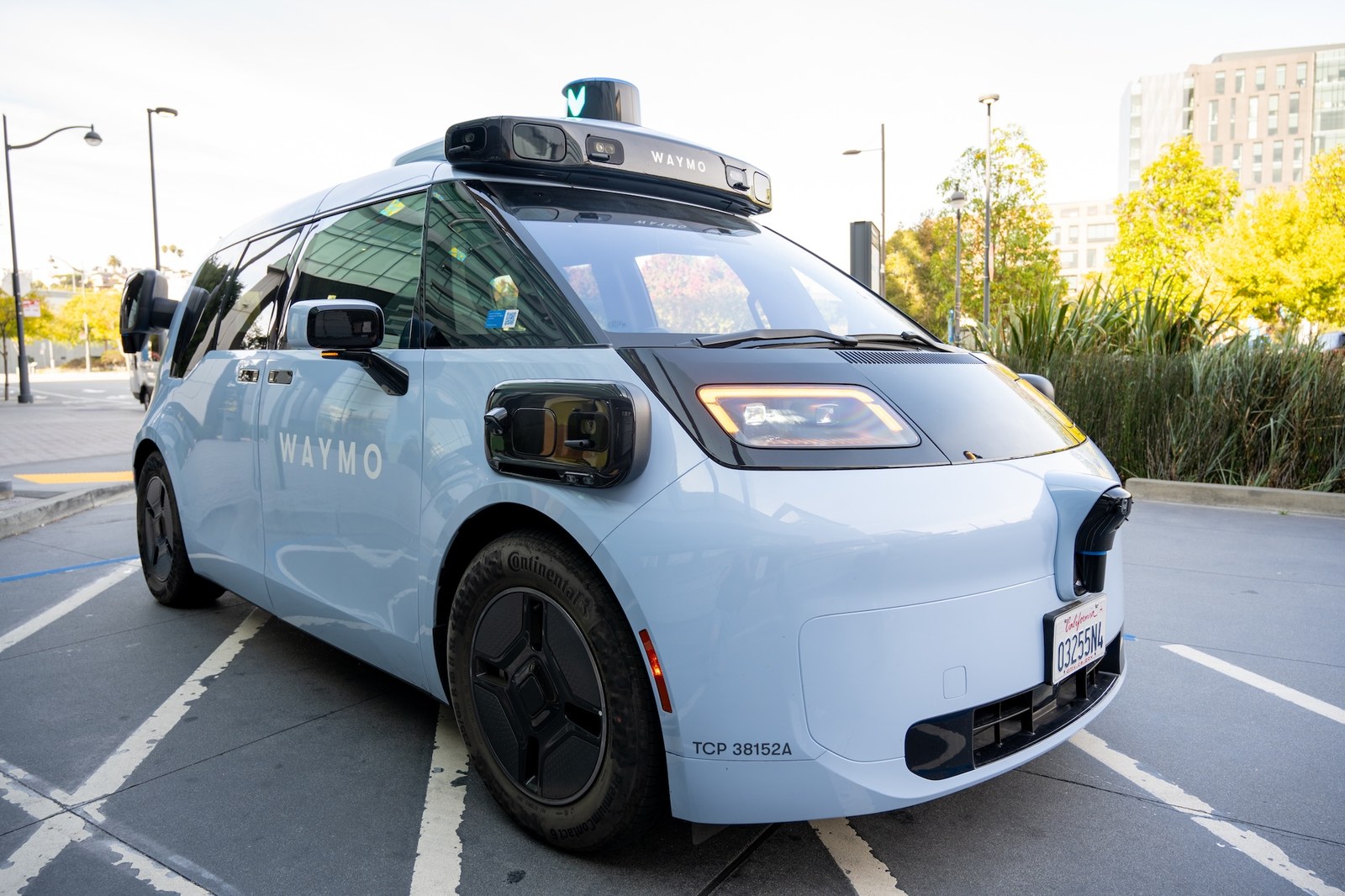
For riders in Austin and Atlanta, the Waymo option inside the Uber app has looked like a partnership. It has also been, until now, an exclusive arrangement, and Waymo has decided it will not renew.
Tekedra Mawakana, one of Waymo’s two chief executives, told Bloomberg on November 4 that the company will end the exclusivity in January 2028 and begin taking bookings directly through its own application in those cities. She noted something riders may not have considered: hailing through Uber does not guarantee that a driverless car arrives. The app matches a trip to whatever vehicle is available, and in a market where Waymo operates alongside human drivers, that is often not a robotaxi.
Uber, in a statement to TechCrunch, said it will continue to offer Waymo vehicles in its own app as long as both companies agree. The wording matters. It describes a commercial relationship that survives on terms rather than an exclusive partnership that survives on contract, and it leaves open the possibility that the two apps compete for the same passengers in the same streets.
The arrangement being unwound dates to a period when both companies needed something from the other. Waymo had technology that worked in a handful of cities and no consumer brand outside them. Uber had distribution at a scale no robotaxi operator could match, a dispatch system built over a decade, and a fleet operations business that knew how to clean, charge, and maintain vehicles at scale. Putting Waymo cars on Uber’s platform let each side borrow what it lacked.
What changed is that Waymo now has scale in the markets where it operates and a consumer application that people open by name. It also has a strategic interest in owning the customer relationship, because the data from a ride, the payment method, the rating, and the repeat behavior all belong to whoever runs the app. A company that supplies vehicles to another company’s marketplace is a supplier, and suppliers get priced by their customers.
Uber’s position is the mirror image. Its chief executive, Dara Khosrowshahi, has argued for years that Uber should be the marketplace for every form of transport rather than a fleet owner, and that strategy depends on having multiple autonomous suppliers rather than one exclusive partner. The company has signed agreements with a roster of developers, including several Chinese and American firms, precisely so that no single one of them can dictate terms. Losing exclusivity with Waymo costs Uber a differentiated product in two cities. It does not cost Uber the marketplace.
The economics of the split are less visible than the announcements. Under an exclusive deal, Uber typically takes a commission on each trip and bears the cost of acquiring the rider. Under a direct model, Waymo earns the full fare and pays for its own customer acquisition, which is expensive in a category where the alternative is a car the rider already knows how to summon. The question is whether the margin Waymo keeps exceeds the volume it loses when the ride is no longer one tap away inside an app people already have open.
There is a regulatory dimension that neither company emphasized. Cities have been cautious about robotaxi expansion, and several have required operators to report collision and disengagement data before allowing service areas to grow. An operator that runs its own app controls its own relationship with regulators and with the incidents that get reported. An operator that runs inside someone else’s app inherits a layer of ambiguity about who is responsible for what the passenger experiences.
For riders, the near-term effect is likely to be small. Both apps will still list Waymo vehicles in the cities where they operate, and the pool of driverless cars will keep growing. The longer-term effect is that the choice becomes explicit. Riders who want a robotaxi will learn to open Waymo’s app, the way travelers learned to open a rideshare app rather than call a dispatcher, and the habit will stick in the cities where the service is dense enough to be reliable.
That habit is the prize. Waymo’s bet is that a product good enough to be sought out by name does not need to be distributed through someone else’s storefront. Uber’s bet is that the storefront is the durable asset and the vehicles are interchangeable. Both cannot be right about the same market, and the two-year runway to January 2028 gives each side time to find out which one is.
Mawakana’s remark about the guarantee is the tell. If a rider cannot be sure that the Uber they summon will be driverless, then the Uber app is not a channel for Waymo’s product so much as a lottery in which Waymo is one outcome. Ending the arrangement is a way of saying the company would rather be chosen deliberately than included by chance. Whether riders care enough to choose is the question the next two years will answer.