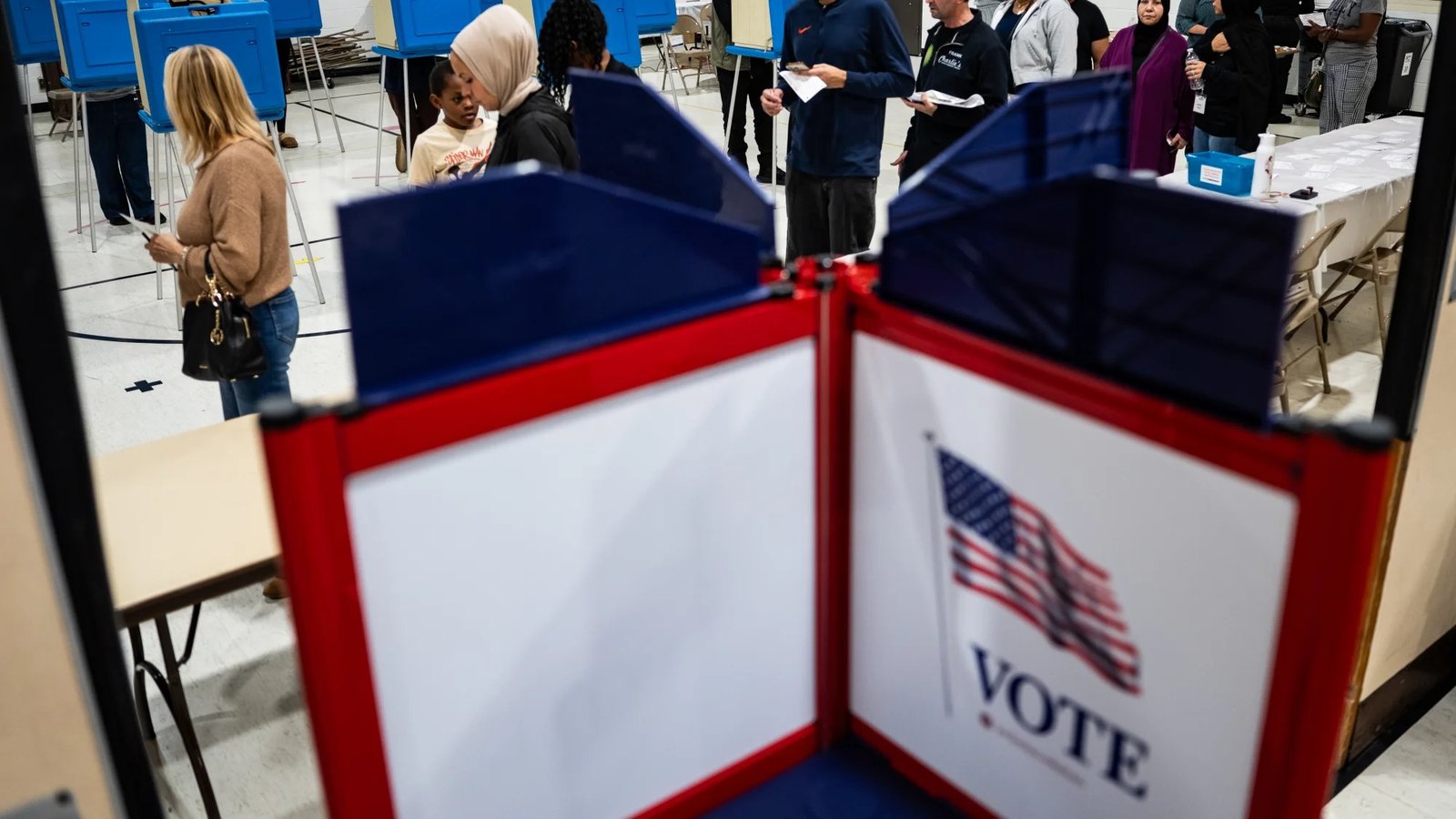
On election night, a user asked Claude for the latest count in a race that was still being tallied. The answer came back with the numbers and, beside them, a line naming the Associated Press as the source.
That credit line is the visible edge of a contract. Adweek reported on November 4, citing two people familiar with the matter, that Anthropic had signed a content and data licensing agreement with the news organization before the midterm elections. It is the first time the artificial intelligence company has paid a digital news organization for material. Neither the amount nor the duration of the agreement was disclosed.
The arrangement is narrower than the phrase content deal suggests, and more useful for it. What Anthropic bought was not an archive to train on but a live feed of vote counts that its assistant could quote, with attribution, while the count was still moving. A model trained on old articles can tell a user what happened last year. A model asked what is happening tonight needs a supplier, and the supplier needs a contract that says who gets credit when the number travels.
For Anthropic, the deal closes a gap the company had left open on purpose or by inattention. It had signed no formal partnership with any publisher, a position that separated it from OpenAI, which has reached more than ten such agreements. In the argument over whether model developers should pay for journalism, Anthropic had been the large lab with no checkbook on the table. That position was tenable while the debate was about training data, which is copied once and litigated for years. It became harder to defend once assistants began answering questions about events in progress.
The timing was not incidental. An election is the one news event where a wrong answer is checked in public within minutes and remembered for years. Every assistant that fields election questions is therefore exposed, and the exposure does not depend on the size of the model. It depends on whether the model has a source it can name. A licensing deal signed before the vote converts a liability into a feature: the product can now say where the number came from, and the reader can go and look.
What Anthropic appears to have bought is a routing capability rather than knowledge. The distinction matters for how the economics of these assistants will develop. Training data is a capital expense, paid once, amortized across every future query, and defended in court as fair use or attacked as theft depending on which side is speaking. Live data is an operating expense, paid on a schedule, renewed or lost, and priced by someone who knows the buyer cannot easily substitute. The first kind of cost sits below the line and is argued about by lawyers. The second arrives every month and is argued about by finance.
That shift has a consequence for the publishers as well. A licensing fee is a customer, and a customer is worth more than a referral. For a decade, news organizations were paid in traffic: the search engine or the social network sent readers, the readers saw advertising, and the arrangement collapsed when the platforms stopped sending. A data license inverts the flow. The publisher sells the fact and keeps the byline, and the reader may never click through at all. Whether that is a better business than the traffic it replaces depends on the size of the check, which in this case nobody outside the two parties has seen.
The silence around the terms is itself informative. Anthropic did not announce the deal, and the figure did not come from either company. A contract disclosed by a trade publication, sourced to two people described as familiar, is a contract that was not meant to be a marketing event. Companies announce partnerships when the partner’s brand helps them. They stay quiet when the terms would set a benchmark for the next negotiation, and there will be a next negotiation, because the same logic that produced this deal applies to markets, weather, court dockets and sports results.
The open questions are the ones that decide whether this becomes a template. Nothing disclosed so far says whether the license is exclusive, whether the Associated Press may sell the same feed to other model developers, or whether the agreement reaches beyond election data into the news organization’s general reporting. Each answer changes the price of the next contract signed in the industry, and each is knowable only to the two parties and the people who briefed Adweek.
There is also the matter of what happens when the count is contested. Candidates sometimes dispute a result after the tally is complete, and a figure quoted with attribution is still a figure the assistant chose to put in front of a user. If a campaign rejects the number that Claude repeats, the assistant has done what a newspaper does and inherited a version of what a newspaper inherits. The credit line moves part of the argument to the source. It does not remove the decision to publish, which belongs to whoever built the product that answered.
That decision is the one the industry has been avoiding. Assistants were designed as interfaces to information, not as publishers of it, and the design held while the information was static. Election night made the information live, and live information has an owner. The next question is not whether Anthropic will sign more of these agreements, but whether an assistant that must license every fact it repeats can still answer for free.