
No investment-grade borrower pays 16%. Sixteen percent is the yield a company accepts when it has concluded that the cost of not borrowing is higher than the cost of borrowing at a rate that would embarrass a payday lender. CoreWeave’s corporate bonds reached that level, and CNBC on Nov 6 described the company’s debt as the credit card of the AI expansion, a card that is getting more expensive to carry.
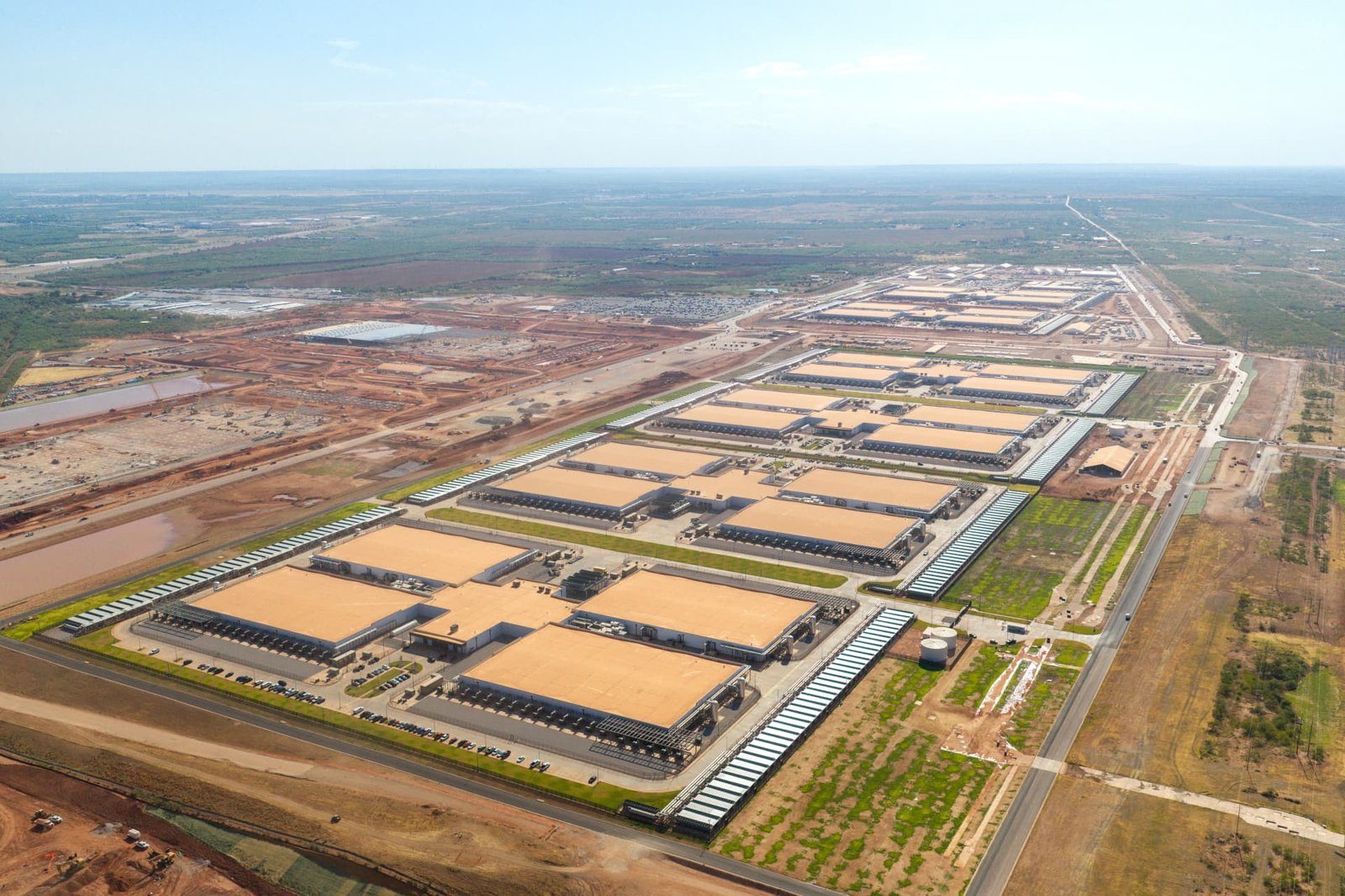
The mechanics behind that line describe an entire class of company. CoreWeave buys graphics processors, racks them in data centers and leases the resulting compute to developers and model labs under contracts that run for years. The capital spending comes first and is enormous. The revenue arrives later and is contracted. The gap between the two is filled with debt, and the debt is secured by the processors.
That collateral is the problem. A bond backed by a toll road is backed by an asset that will still be a toll road in thirty years. A bond backed by accelerators is backed by an asset whose useful life is measured in a handful of years, whose resale value depends on buyers who are largely the same companies that could be in trouble, and whose replacement arrives on a schedule set by Nvidia. Lenders who understand that will demand a return that compensates them for depreciation they cannot see from outside the building.
Quartz reported the same day that the bonds kept falling, which is the identical fact stated in the other direction: as prices fall, yields rise. The distinction between price and yield matters for anyone holding the paper, because a bond trading at a deep discount has already handed a loss to whoever bought it at par. The 16% is the return available to a new buyer who accepts the same risk, not a coupon the company chose to pay.
The more important development is the one described as contagion. Credit stress that begins with one issuer and stays there is a story about that issuer. When it starts to appear across a class of borrowers, the market is repricing a business model. The AI infrastructure complex has spent two years selling investors on the idea that contracted compute revenue is infrastructure-grade, comparable to a utility with a backlog and a regulated return. The bond market is now indicating what price it will pay to believe that.
The same day supplied a second data point. SoftBank’s five-year credit default swaps widened to a four-year high and the shares fell 11% in Tokyo, a move Reuters tied to doubts about AI profitability. Two very different borrowers, a Japanese holding company with listed stakes and a private operator of GPU clusters, repriced on the same day for the same reason. That is what a sector-level reassessment looks like from the outside, and it does not require either company to have missed a payment.
The bullish case is not empty. CoreWeave’s contracts are long, its customers include the largest model developers, and a company with a multiyear backlog can service debt that looks expensive on a yield screen. Part of the 16% may be a premium for the size and liquidity of the issue rather than a pure default probability, and yields on small, thinly traded bonds overshoot in both directions. If the contracts are as durable as management says, the paper is cheap and the buyer is being paid for a fear that will not materialize.
The bear case rests on a mismatch no contract can remove. The debt is scheduled to amortize over a period that may be longer than the economic life of the equipment it finances. If the processors lose value faster than the contracts depreciate them, the borrower has to refinance against collateral worth less than the loan, and the refinancing happens in exactly the market now charging 16%. That is a maturity mismatch in its simplest form, and it is why infrastructure lenders spend so much time on asset life rather than on the credit rating of the customer.
There is a version of this that ends well. If compute prices hold, if the equipment lasts longer than the depreciation schedule assumes, and if the customer contracts renew at similar rates, the borrower refinances at a tighter spread and the current yield looks like a peak. Data centers have financed themselves this way for decades, and the lenders who were early to that trade did well.
The difference is that a data center shell has a forty-year life and a known replacement cost. A rack of accelerators has neither. The building is reusable; the chips inside it are a wasting asset whose second owners are few, and whose price is set by a company that ships a faster part every year. That is not a normal collateral package, and the market is not treating it as one.
None of this means the buildout stops. It means the marginal project becomes more expensive to finance, and the projects that proceed are the ones with the strongest counterparties and the shortest payback. Companies that raised money in 2024 and 2025 at single-digit coupons hold a cost advantage that compounds every quarter the current market persists. The ones that did not will discover that the price of their growth has changed, and that the change arrived faster than their contracts reprice.
For the lenders the question is narrower than it is for the analysts. At 16%, how much of the principal comes back if the customer base consolidates and the equipment is worth scrap? The answer decides whether this is a repricing or the opening of a credit cycle. The bond market is currently voting that it is at least the first, and it is voting with money rather than with commentary.



