Leonardo Del Vecchio grew up in a Milan orphanage, trained as a metalworker’s apprentice and started making spectacle frames in 1961 in a workshop in the Dolomites. By the time he died in June 2022, at 87, he controlled the largest eyewear company in the world and a holding group whose reach extended into insurance and banking. He left the second part, the part that holds the voting power, to eight heirs in equal shares.
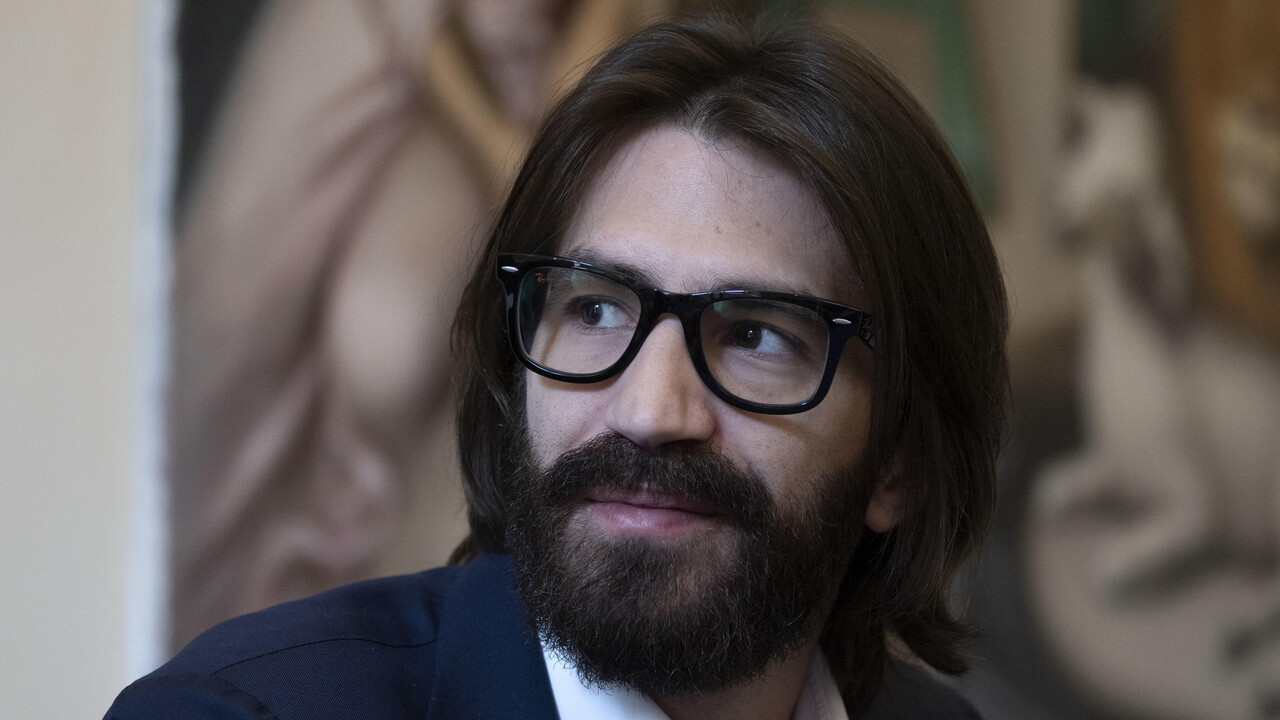
That arithmetic is now the problem. Leonardo Maria Del Vecchio, one of the sons, has lined up 22 billion euros of financing from Citigroup to buy out his siblings’ stakes in Delfin, the family holding company, according to people familiar with the matter. Delfin owns about 32.4% of EssilorLuxottica, the group behind Ray-Ban, Oakley, LensCrafters and Sunglass Hut, along with holdings in the insurer Generali and Banca Monte dei Paschi di Siena. Its assets total roughly 43 billion euros.
Each of the eight heirs holds 12.5%. At least four have said they will not sell. Delfin’s charter sets high voting thresholds for decisions that would change the company’s structure, thresholds designed by the founder to prevent exactly this: one branch of the family buying out the others and taking command.
The financing is the first concrete sign that the standoff has moved from family argument to corporate action. A 22 billion euro facility is not a letter of intent; it implies a lender’s assessment of Delfin’s assets, a structure for the purchase, and a timetable. Citigroup’s role also signals that the buyer intends to treat the holding company as an asset-backed transaction rather than a sentimental inheritance.
What is at stake is not money alone. EssilorLuxottica is one of the few European industrial champions with a genuine global franchise: frames sold in most countries, a retail network of thousands of stores, and a manufacturing base that gives it sway over an industry of licensees and contract factories. The group’s partnership with Meta on camera-equipped glasses has made it central to the question of what a wearable computer looks like, and to who sells it.
Delfin’s stake in that company is the crown jewel, but the holding’s other positions carry political weight in Italy. Its Generali holding makes the Del Vecchio family one of the anchor shareholders in the country’s largest insurer, a company that sits at the intersection of Italian savings, bank distribution and European consolidation. Its Monte dei Paschi position ties it to a bank the state rescued and has been slowly returning to private hands.
The structure also explains why the fight surfaced now. Delfin’s charter includes provisions on transfer, pre-emption and the valuation of shares when one holder wants out, and those provisions have never been tested. A buyout at 22 billion euros implies an equity value for the holding above the 43 billion of assets it reports, since a controlling stake in a listed company trades at a premium to the sum of its parts, and since the EssilorLuxottica position earns more than its balance-sheet value suggests.
For the heirs who refuse to sell, the argument is partly financial and partly dynastic. Delfin is the instrument their father built to keep the family’s influence concentrated, and selling a stake converts an enduring influence into a one-time payment subject to tax. For the buyer, the argument is that eight equal holders with veto rights cannot make decisions, and that a holding company which cannot act is worth less than the sum of its parts.
Similar fights have ended badly for European family groups. When the Benetton family split over its holding company, the resolution took years and cost the group its position in banking. When the Agnelli heirs restructured, they did so behind a single managing partner with delegated authority. The Del Vecchio structure has no such figure, because the founder did not designate one, and the charter does not create one.
A negotiated outcome is still possible. The four refusals are public positions, not final ones, and buyouts of this kind usually end with a premium, an installment structure and a role for the holdouts somewhere in the group. Mediation among Italian industrial families tends to run through a small circle of lawyers, bankers and advisers who have handled the last several of these disputes.
The alternative is litigation: challenges to the valuation of the shares, disputes over whether the charter permits a partial transfer, and a shareholder agreement that may or may not bind all eight. Italian courts move slowly, and a contested Delfin would be a frozen shareholder in EssilorLuxottica for years, unable to buy, sell or vote with a clear mandate.
Leonardo Maria Del Vecchio has said little in public beyond confirming his intentions. His siblings have said less. Both sides know the calendar: a holding company that cannot move while the eyewear industry consolidates around scale will lose ground to competitors with a single owner.
The unresolved question is the one the founder never answered: whether the concentration of control he built is a structure his children can inherit, or one only he could operate. Eight equal votes and a high threshold are a formula for paralysis when the person who designed them is no longer in the room to break the tie.