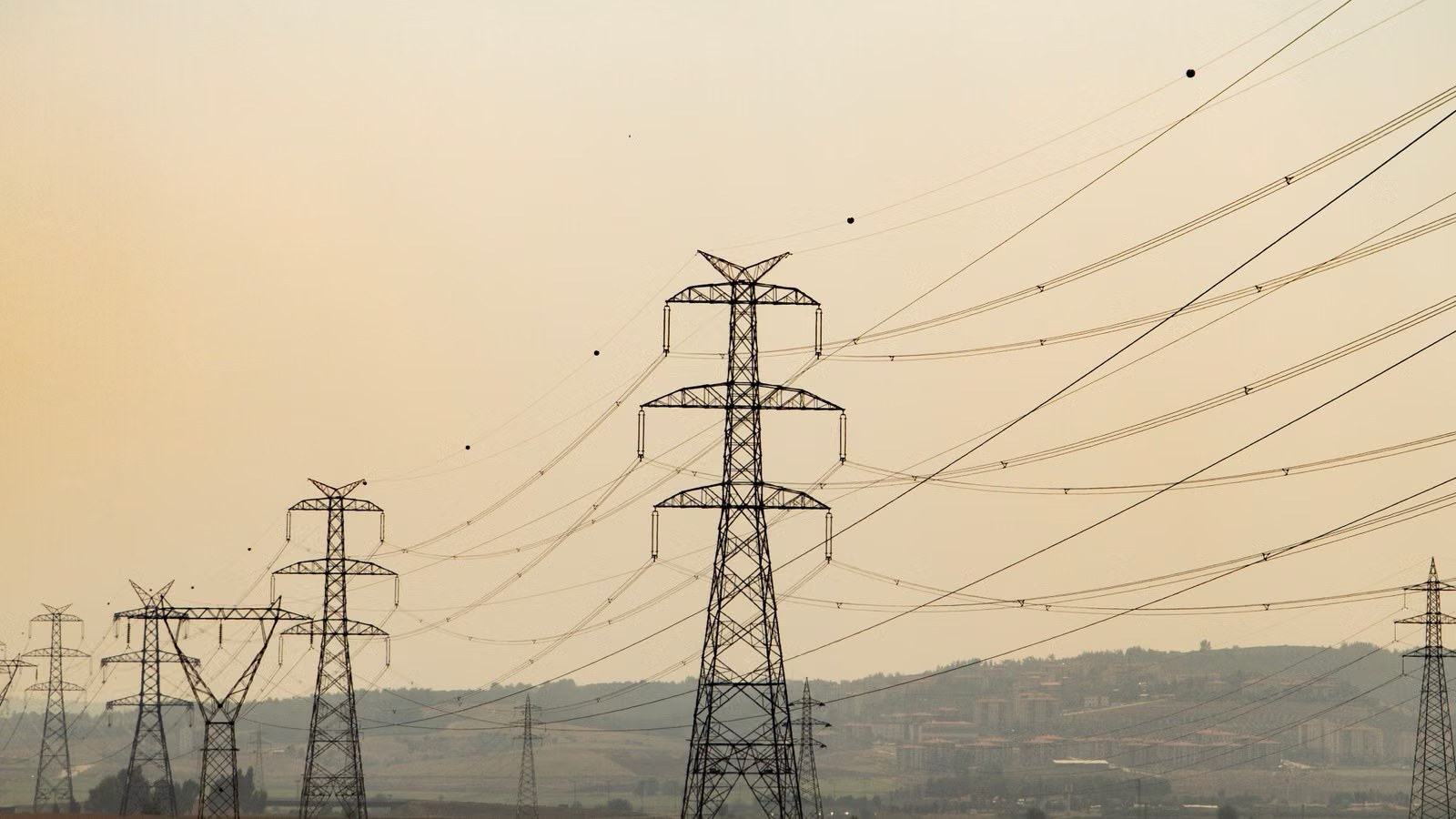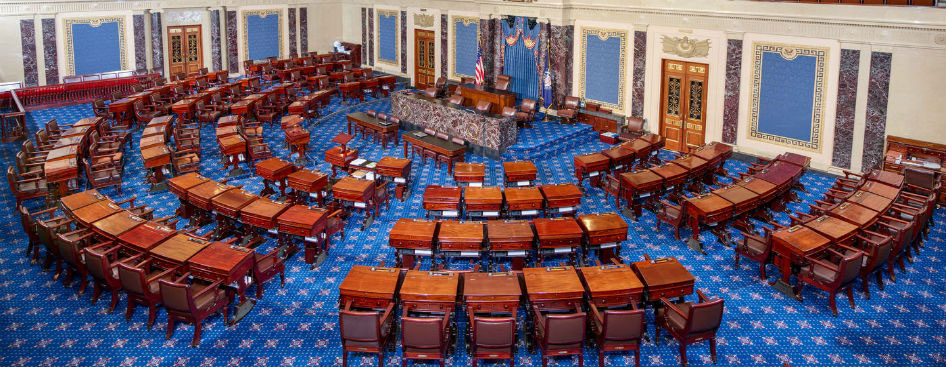
The last time Congress rewrote the rules for building power lines, the iPhone did not exist and a hyperscale data center was a drawing on a whiteboard. On November 9 the Senate took the first step toward changing that, voting 73 to 25 to advance a bipartisan permitting bill that would set deadlines on federal reviews of power plants, transmission lines, pipelines and mines.
The vote was procedural, a motion to proceed to the America’s Affordability and Jobs Act, and it drew support from both parties. It was also the first significant legislative action since the midterm elections, a sign that the cost of electricity has become one of the few subjects on which a divided chamber can still agree.
The substance is a set of clocks. The bill would compress the timelines federal agencies have to complete environmental reviews and issue permits, and it would give project sponsors a route to court when those deadlines slip. Transmission lines, the long pole in any plan to connect new generation to load, would get the tightest schedule. Mining permits for copper and lithium, the inputs for transformers, cables and batteries, would be streamlined along similar lines.
The provision that has drawn the most attention is a cost-allocation rule. Data centers would be required to bear the full cost of the transmission capacity their loads make necessary. Grid Strategies, a consultancy that advises utilities and developers, estimates the shift would move roughly $55 billion onto data-center operators over a decade, about $35 billion more than they pay under current policy.
That number is the fight. For years, the cost of upgrading the grid has been spread across all ratepayers, on the theory that a stronger network benefits everyone. Rapid load growth from computing has broken that bargain. In several regional markets, household bills have risen sharply while the projects driving the increase sign long-term contracts and, in some cases, bring their own generation.
The bill’s supporters say it restores a principle: whoever causes a cost should pay it. Critics, including some environmental groups and a handful of state regulators, argue that the same bill trims the environmental review that gives communities a say, and that cheaper permits will produce more gas-fired plants built specifically to serve data centers. They point out that a gas turbine can be permitted and built faster than a transmission line, which makes the path of least resistance a row of smokestacks next to a server farm.
The backdrop is a grid that has become the binding constraint on the artificial intelligence buildout. Regional transmission organizations report interconnection queues holding roughly 2,600 gigawatts of proposed generation and storage, according to Lawrence Berkeley National Laboratory, most of which will never be built. The Federal Energy Regulatory Commission tried to address part of the problem with Order 1920 in 2024, requiring regions to plan transmission over 20-year horizons. Planning is not construction, and the order is itself in litigation.
Prices have moved faster than the rules. PJM Interconnection’s main capacity auction for the year through May 2025 cleared at $329.17 a megawatt-day, against $28.92 the year before, a function of tight supply and forecasts of sharp demand growth. Utilities have pushed back their load projections repeatedly, in most cases upward.
The Senate bill would not settle who pays for the grid in the long run. It would set a default, and defaults matter because the alternative is a state-by-state patchwork in which Virginia, Ohio and Texas write different rules for the same industry. Developers say that patchwork already delays projects by years; consumer advocates say it is the only check on costs being loaded onto people who will never use a chatbot.
The House has not taken up the Senate text, and the chamber’s calendar is thin before the year ends. Lobbyists on both sides expect the cost-allocation language to be the last item resolved, since it determines which set of companies books the expense. Utilities and their regulators have been quiet in public and active in private.
How that cost would be measured is unresolved. A data center’s contribution to a needed upgrade is an engineering estimate, not an invoice, and the parties that produce the estimate are the utility and the regional grid operator, both of which have an interest in the answer. State commissions would get the final say in most cases, which means 50 more proceedings.
The Senate’s floor schedule has room for one more energy measure before the year ends, and the chamber’s leadership has said it wants this one. That does not make passage certain. Amendments on gas exports, on offshore wind and on the treatment of hydropower are queued, and each carries a coalition that can slow a bill down.
What the vote did establish is that the Senate can move on energy. Whether it can finish is another matter. The bill’s sponsors need a House companion, a conference agreement and a president willing to spend political capital on transmission siting, a subject with no natural constituency and a reliable talent for generating local opposition. For the operators now waiting years for an interconnection study, the 73-vote margin is a start, not an answer.