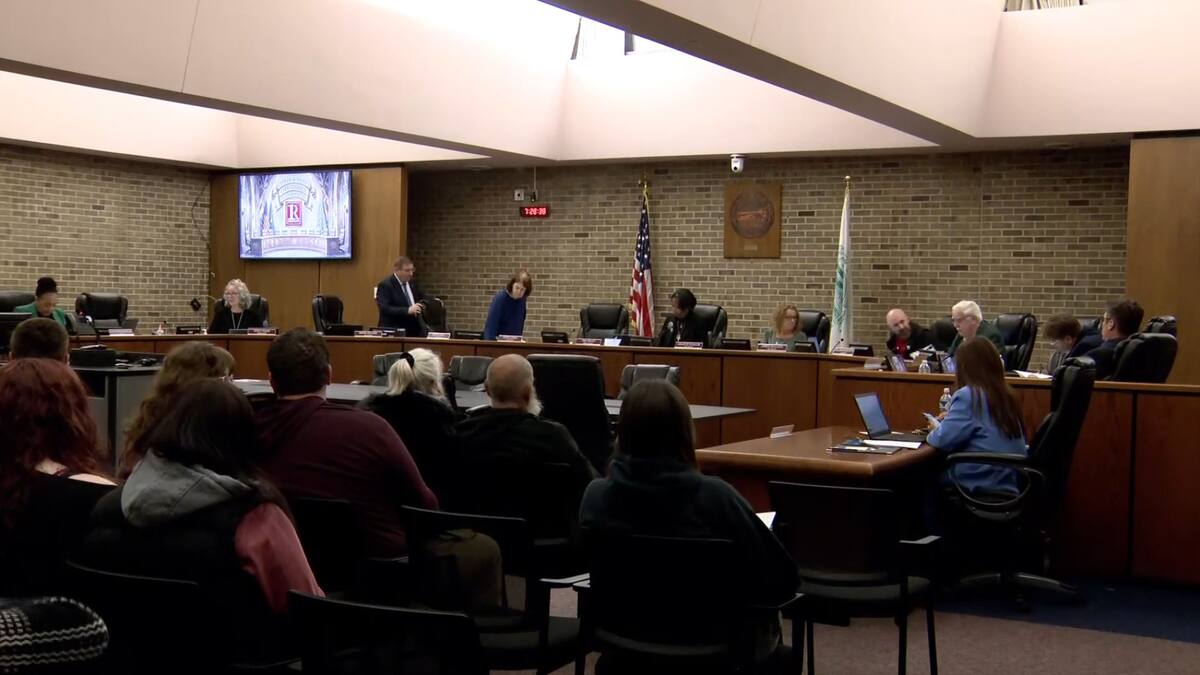
Romulus, Michigan, is a working city of roughly 25,000 people wrapped around Detroit Metropolitan Airport, with a water tower, a rail yard and a stretch of interstate that carries freight traffic through the night. On November 9 its city council voted to stop accepting applications for new data centers for 180 days.
The pause is not a ban. It buys time to rewrite the zoning ordinance, which was drafted for warehouses and light industry and says little about buildings that draw as much power as a small city. Council members said they wanted rules on setbacks, noise, water use and the diesel generators that back up server halls before the next proposal arrives.
Romulus is one of dozens of American municipalities reaching the same conclusion at roughly the same time. The data-center boom has moved from the big colocation markets, northern Virginia and Dallas, into secondary and tertiary counties where land is cheap, fiber passes nearby and the local government has never seen a 300-megawatt load request. When one arrives, planners discover they have no template for it.
The regional picture is mixed. Maryland has begun drafting state-level rules for data centers, and a statewide moratorium has been discussed in Annapolis as one option, according to people involved in the process. Ohio went the other way: 21 local ballot measures aimed at restricting or taxing data centers went before voters this cycle, and all 21 failed.
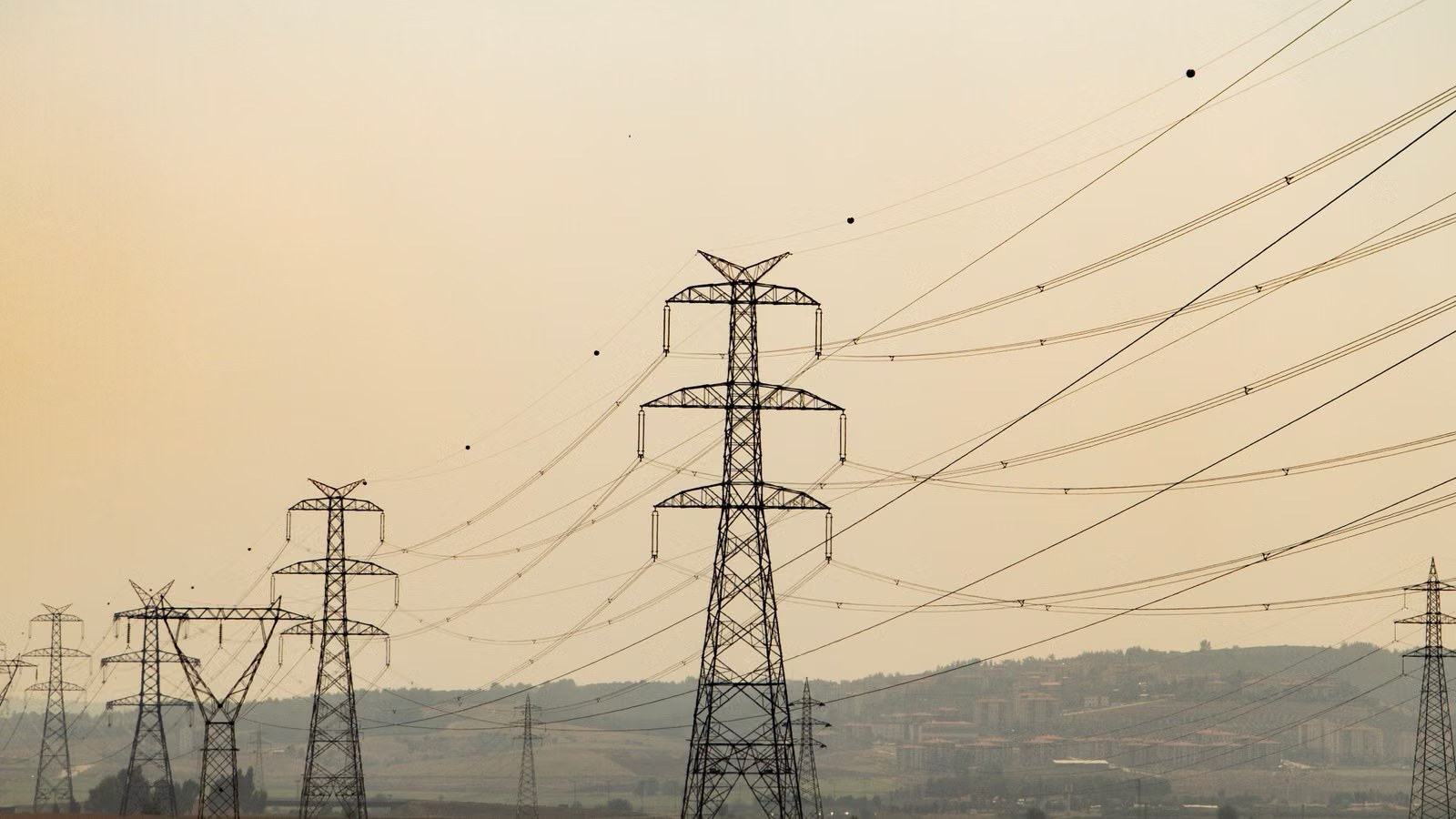
The objections in Romulus are the ones that recur everywhere. Electricity, first: a large campus can consume more than every household in the county, and the local utility’s transmission system was not built for it. Water, second: cooling towers evaporate millions of gallons, and the aquifer does not refill on a schedule that suits a developer’s financing. Noise, third: the hum of cooling equipment and the test-firing of backup generators, which under some permits runs monthly at full load.
None of these are new complaints. What has changed is the negotiating position. Two years ago a data-center developer arriving with a $2 billion capital plan and a promise of tax revenue had most councils’ attention. Now that several hundred projects are in the pipeline and communities have watched the first wave of them get built, the arithmetic looks different. A facility that employs 40 people permanently and consumes a county’s spare capacity is a harder sell than the brochure suggests.
Michigan has been courting the industry. The state offers a sales-and-use tax exemption for data centers that meet investment and wage thresholds, a program that has drawn projects to the Grand Rapids area and to former industrial sites near Detroit. Utilities have filed load forecasts with the state’s regulator that assume continued growth, and a share of that growth is expected to come from computing.
That is the tension a 180-day pause cannot resolve. A city can control its zoning, but it cannot control the transmission line that a regional grid operator approves, or the state incentives that make its land attractive in the first place. If Romulus writes strict rules, the project may simply move two townships west, where the ordinance is silent and the council is eager.
Other places have tried other tools. Some counties have raised the assessed value at which a data center qualifies for an abatement, on the theory that the tax base should reflect the land’s new use. A few have required developers to fund water-system upgrades before construction, or to post bonds covering demolition of a facility nobody wants in 2040. Litigation has followed in several states, generally from developers arguing that a condition imposed at the local level exceeds what state law allows.
The revenue argument is weaker than it once looked. A modern server hall generates property tax on equipment that depreciates in five to seven years, and sales tax on construction that happens once. Against that sit the transmission upgrades, the water treatment capacity and the road work, most of which the utility and the municipality pay for and recover over decades. Councils that ran the numbers in other states have found the net positive smaller than the pitch, and in some cases negative.
State legislatures are watching. Bills to strip municipalities of the authority to restrict data centers have been introduced in several states, generally at the urging of utilities and economic-development agencies, and they tend to pass in the states where a governor has made the industry a priority. Michigan has not done that, which is why Romulus gets to decide, for now.
Developers say the answer is standardization. Industry groups have been pushing model ordinances that set noise limits, water-use thresholds and decommissioning bonds, arguing that a predictable statewide rule is better for them than 1,800 municipal negotiations. Local officials say the same thing for different reasons: a state framework would give them something to point at when a developer’s lawyer arrives with a proposal that meets every existing requirement.
For now, Romulus has six months. The council will hear from planners, from the utility, from residents who want the tax base and residents who want their well water. The ordinance that emerges will be read closely by other Michigan cities considering the same move, and by developers deciding where to file next.
The question the pause leaves open is the one nobody in the room can answer: whether a city of 25,000 should have to make this decision at all, or whether the terms on which a national computing buildout touches a local water table ought to be set somewhere above the municipal level.