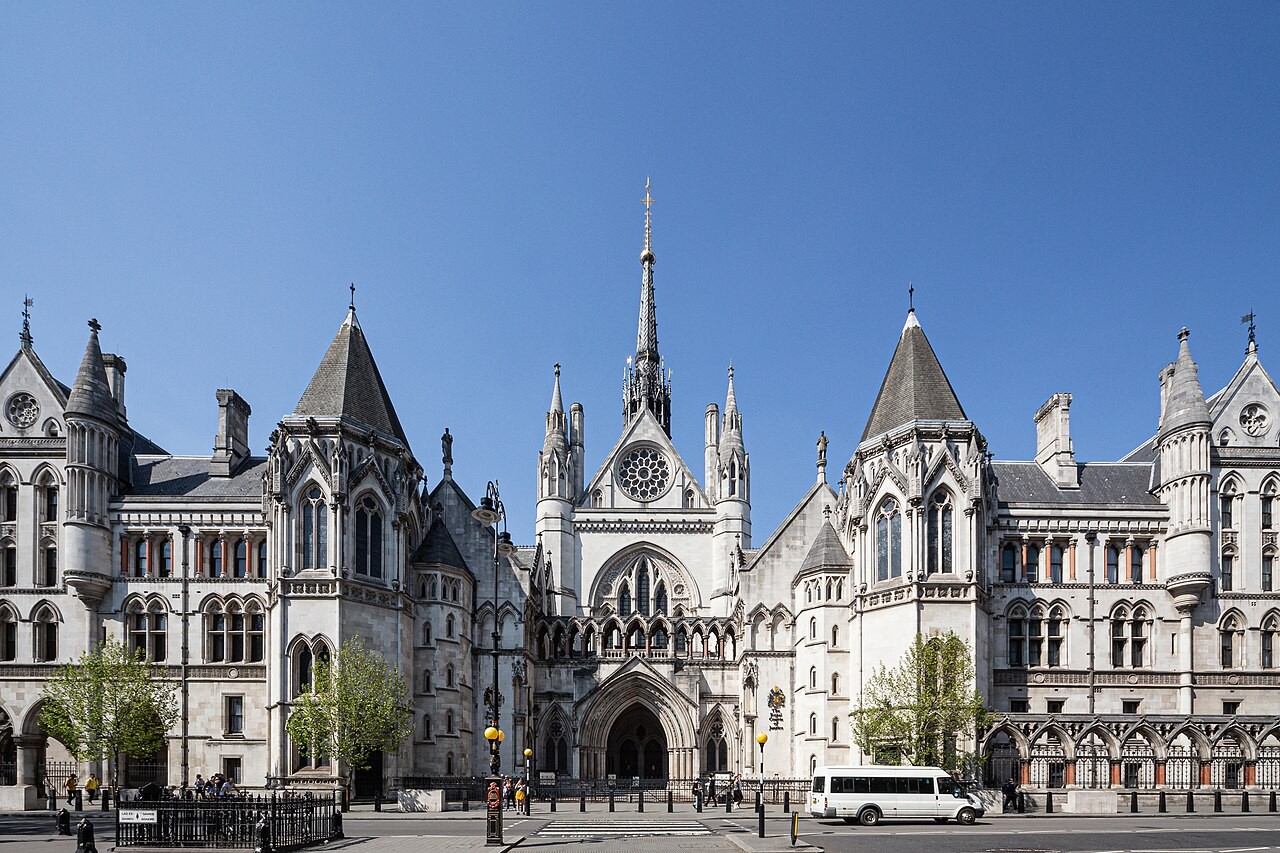
The hearing at the High Court this week was not, on its face, about artificial intelligence. It was about whether a regulator asked the right questions before it wrote a set of connection rules, and whether the answers it recorded can survive a legal reading.
The challengers are ClientEarth, an environmental law charity, and several Irish environmental groups. According to the challenge put before the court, the rules published by Ireland’s energy and water regulator leave two things out of the calculation. One is the capacity of the grid to carry the load. The other is the country’s own commitments to cut emissions.
Both omissions matter because of what Ireland has become. The country holds one of the densest concentrations of data centres in Europe, a build-out driven by American cloud companies and by a planning regime that for years treated server halls as ordinary industrial buildings. The electricity system has been asked to absorb demand that arrived faster than the wires and the generation to serve it.
The queue is where that pressure becomes visible. A connection agreement is not a permission to build; it is a place in line, and the line has grown long enough that its order is now worth litigating. If the court finds the rules deficient, the queue does not disappear. It gets re-sorted, and projects that had been counting on a date are handed a different one.
The rules were written to replace an arrangement under which Dublin’s grid was effectively closed to new connections. Under that arrangement, applicants were told to wait for capacity the system could not promise. The current policy tries to turn an open-ended wait into a set of conditions a project can meet or fail.
ClientEarth and the groups argue that this conversion was done without the arithmetic that should support it. Their case is that a connection regime which approves load without measuring the headroom on the network, or the emissions that serving that load would require, is approving a queue the system cannot honour. The argument is procedural in form and substantive in effect.
The regulator’s remit makes the defence harder to write. It sets the terms on which the network connects customers, and it also polices the prices those customers pay; both duties point toward connecting whoever can pay, which is not the same instruction as keeping the system inside a carbon budget.
The grid EirGrid operates is small, islanded and unusually dependent on wind. On good days wind supplies more than the system can absorb, and turbines are paid to stop; on still days the same system leans on gas. Adding a large block of flat, round-the-clock demand changes both halves of that picture, and the change lands on a network that has already been told to cut its emissions year after year.
Analysts said the case is less an attempt to stop data centres than an argument about who accounts for the cost of connecting them. A planning permission has always been a private transaction between a developer and a local authority. A connection is a shared resource, and the dispute is over whether the regulator is entitled to ration it on grounds that go beyond the order in which applications arrived.
For the industry, the practical question is timing. Ireland has been the default European location for American cloud capacity for more than a decade, and the companies that built there did so because the alternative was a continent of separate jurisdictions with separate rules. Projects that cannot get a date in Dublin start looking at the Nordics, at Spain, at anywhere with land, power and a permit office that answers.
A ruling against the regulator would not settle that. It would send the policy back for another round of drafting, consultation and legal challenge, and each round consumes a year that a construction schedule does not have. A ruling in the regulator’s favour would leave the queue intact, along with the argument that the queue was built on numbers nobody checked.
The court has not indicated when it will decide. The parties left without a date, which is the ordinary way these hearings end and, for the projects waiting, the least useful way.
Analysts who follow the Irish market said the deeper problem is that the country wrote its climate budgets and its industrial strategy in the same decade without reconciling them. Data centres are now a visible share of national electricity demand, and every additional connection makes the reconciliation harder. The regulator is being asked to perform that reconciliation one application at a time.
ClientEarth has run similar cases before, in the United Kingdom and elsewhere, and its method is consistent: find the point where a permitting decision was made without the environmental assessment the law requires, and let the courts supply the delay. Whether that method produces better decisions or simply slower ones is a question the charity has never had to answer in public.
For now the queue holds. Somewhere in it are projects with signed land leases, purchased transformers and customers who were promised capacity. None of them knows yet whether the wait they were quoted was a schedule or a placeholder, and the court’s ruling will decide which.