OpenAI has not shown the product, named it, or said what it does. What has started to circulate is a manufacturing schedule.
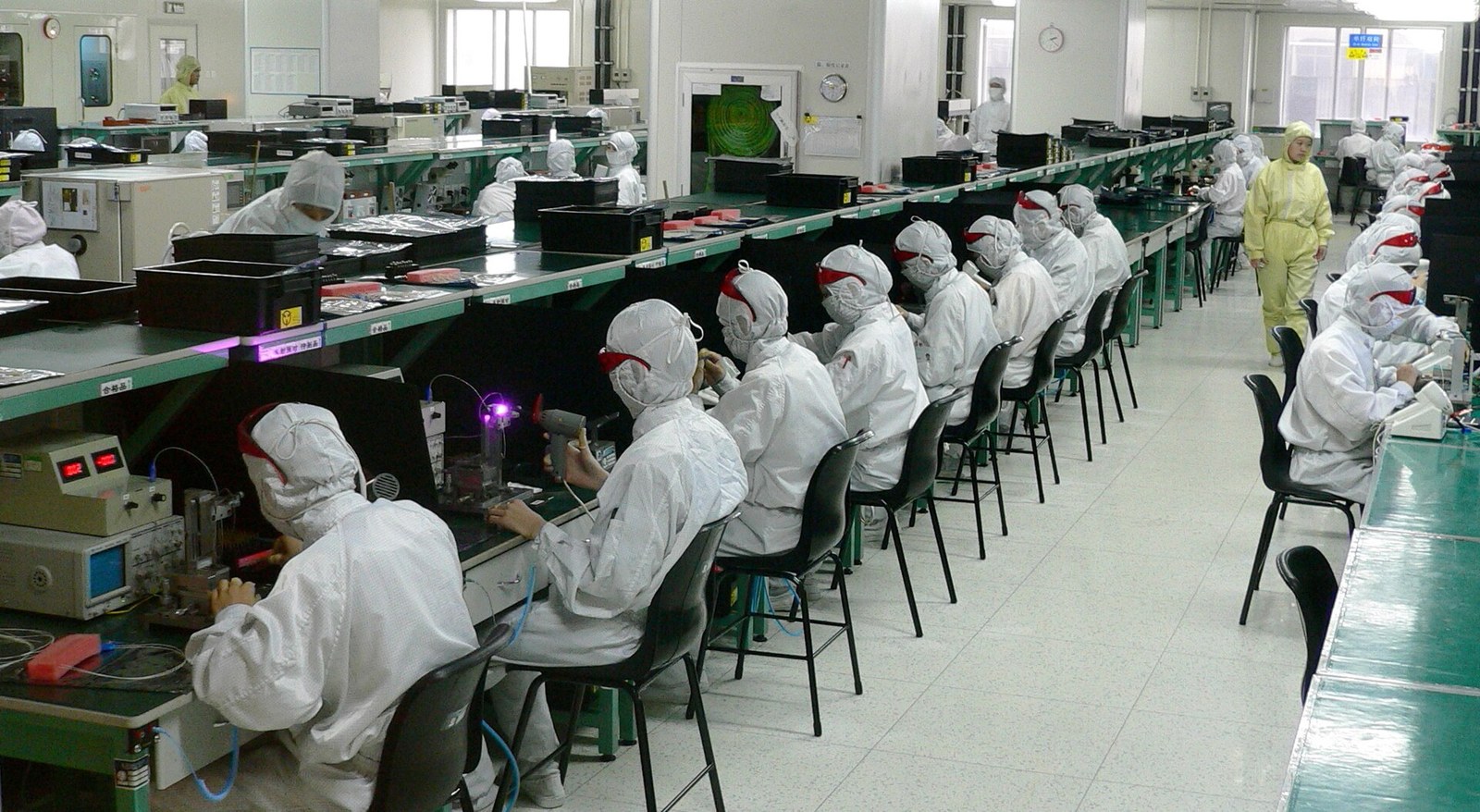
According to supply-chain accounts, the company’s first piece of consumer hardware could begin shipping before the end of the year, with several Chinese suppliers involved. Luxshare Precision Industry is handling final assembly on its own and supplying core components as well, an arrangement that gives one contractor control over both the build and a meaningful share of the parts.
The company has not confirmed the timing, the form or the price. A shipping date for hardware that has not been announced usually describes engineering builds and pilot volume rather than pallets heading to a retail warehouse.
The manufacturer is a familiar name inside the electronics supply chain and a less familiar one outside it. Luxshare was founded by Wang Laichun, who began her career on an assembly line at Foxconn and built a company that took a large share of Apple’s AirPods production, then moved into Apple Watch assembly and, more recently, into automobile components. Contract manufacturers that win one Apple program tend to be invited to the next, and Luxshare’s rise over the past decade has followed that path.
That makes the reported arrangement an odd loop. The device has been described in earlier reporting as a collaboration with the design team of Jony Ive, Apple’s former chief design officer. If the accounts hold, a product shaped by the man who designed the iPhone will be built by the company that assembles Apple’s earbuds.
The form has been reported but not confirmed: a screenless device shaped roughly like a doughnut, carrying microphones, a speaker, a camera and other sensors, operated mainly by voice and able to sense what is happening around it. The details have circulated since the project became public and have not been revised in public since.
A screenless design is a deliberate concession. Anything with a display is measured against the phone and loses, because the phone already has the apps, the camera and the habits. A device without one has to justify itself in the two places a phone is awkward: hands-free use at home, and the moment when reaching for a screen is too slow.
The camera is the part that will draw scrutiny. A puck with a lens and a microphone, sitting in a living room and connected to a model that answers questions, records fragments of ordinary life that the people in the room did not choose to record. Every company that has shipped an always-listening device has had to answer for that, and the answers have not aged well.
The category also carries a warning. Humane’s AI Pin and Rabbit’s small orange assistant both promised a device after the phone and both met reviews that focused on heat, latency and the gap between a demo and a day of use. Buyers now discount announcements in this category by default, which is a problem for a company entering it with more capital and more credibility than either of those startups had.
For OpenAI, hardware is the logical extension of a subscription. The company already sells access to models to hundreds of millions of people through software it does not control the distribution of. A device would give it a place where its assistant is the interface rather than an app among others, and where the billing is a hardware margin plus a monthly fee rather than a monthly fee alone.
Hardware margins are thinner than software margins, and the first product in a new category rarely makes money. Assembly in China keeps the bill of materials low, and it also creates exposure. Tariffs on Chinese-made electronics have moved repeatedly, and a company selling to American consumers has to model a landed cost that can change between the design freeze and the second production run.
Large electronics contractors have been spreading capacity to Vietnam and India for exactly this reason, and Luxshare has plants outside China. Where the first units are built and where later ones are built are separate questions, and the answer to the second one usually depends on politics rather than engineering.
The signals to watch are mundane. Consumer devices sold in the United States need equipment authorization from the Federal Communications Commission before they can be marketed, and those records become public. Certification for wireless standards leaks earlier still. Packaging and accessory suppliers file for trademarks. None of that confirms a launch date, but a filing with a camera and a radio in it tells you the device is close.
What the supply-chain reports cannot settle is whether people want it. A device that answers questions in the kitchen, reminds a household about a delivery and reads a document aloud is useful in a way that is hard to demonstrate in a keynote and easy to abandon after a week. The phone does most of it badly but already.
OpenAI has one advantage that Humane never had: an installed base that already talks to its models and a brand that does not need to explain what an AI assistant is. It also has the disadvantage of being watched, by regulators, by privacy advocates, and by an Apple that assembles its rival’s devices and knows exactly what a good one costs to build.