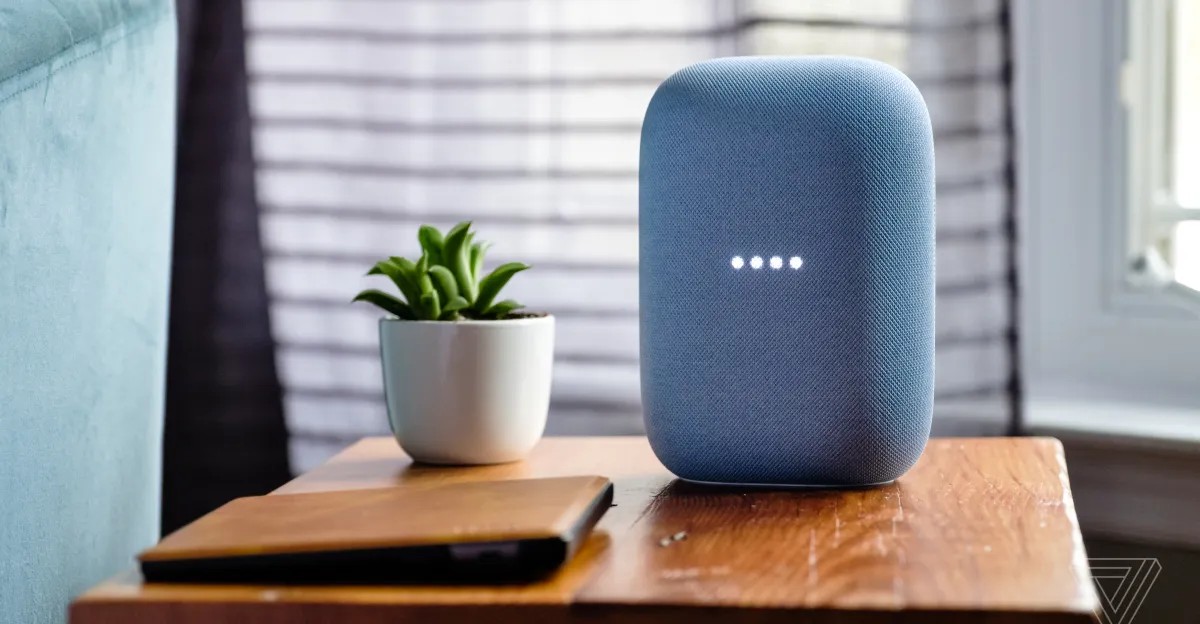
A house with a Nest thermostat, a Nest doorbell and a Google speaker has needed two apps and one voice assistant for most of the past decade, and the three never quite agreed with one another. On Nov. 20, the company put dates on the cleanup.
The Nest app will go dark in January. Its functions move into the Google Home app, which becomes the single place to see a thermostat, a camera feed and a light schedule. Separately, the Google Assistant will stop working on smart speakers and displays on Aug. 2, 2027, replaced by Gemini.
That second date is the one most households will notice. A speaker bought in 2019 will still sit on a kitchen counter, still play the radio, and will be running different software with different limits and, in some cases, a different price.
The company had already signalled the direction. Gemini for Home went into preview in October 2025, with a pitch built on conversations rather than single commands: asking what changed in the garden while you were out, or telling a camera to describe the person at the door. The Assistant, launched in 2016, was built to answer one question at a time.
Why this deserves attention beyond gadget forums: the smart home is the largest installed base of consumer hardware that depends on a cloud service the owner does not control. When a vendor ends that service, nothing in the box on the wall changes. The device simply stops doing the thing it was bought for.
The two-app problem dates to 2014, when Google bought Nest Labs for $3.2 billion. Nest kept its own software, its own account system and its own design language, and Google built a parallel stack for its speakers and its Home app. Merging them has taken years of migrations, the shutdown of the Works with Nest developer program in 2019, and a steady flow of features moved from one app to the other and back.
What breaks first is the ecosystem around the Assistant. Speaker makers, appliance brands and security companies built products that answered to it, and the ones that relied on Assistant-specific features now need to re-certify against Gemini or lose function. Matter, the industry standard that lets devices talk across platforms, covers basic controls. It does not cover the proprietary extras consumers were sold.
The second break is automation. Users who set up routines in the Nest app, with schedules tied to thermostats and alerts tied to cameras, will have to rebuild them. Most will translate. Some will not, particularly the older rules built around sensors and geofences that the new app handles differently.
Nest Aware subscribers have a separate exposure. The subscription, which covers recorded video history and camera alerts, is sold per device and has been repriced more than once. Moving to a new app is the moment a vendor can restructure a plan, and customers should expect the terms to be read again at renewal.
Old hardware is the third problem, and the one Google has said least about. A thermostat from 2015 and a camera from 2017 were sold as appliances with a decade of life. Some will not run the new software. Google has not published a device support list alongside the timeline, which leaves owners to find out at the switch.
The company argues the change is an upgrade. Its position is that one app with one assistant is simpler than two, and that Gemini handles requests the Assistant could not, including follow-up questions and image understanding. That is a fair description of the technology. It is also a fair description of why a company consolidates a fragmented product line.
The cost side is less discussed. Running a large model for every voice request is more expensive than matching a phrase to an intent, and the smart home is a low-revenue business by Google’s standards. Subscriptions and hardware margins have to carry more of the load, which is part of why the company has pushed Nest Aware and bundled devices.
There is a trust question, and Google has earned the skepticism. Reader, Hangouts, Stadia, the original Chromecast app and a long list of smaller services were retired on schedules their users did not choose. Each retirement is rational on its own. Together they teach buyers to discount the promise that a connected device will keep working.
Third-party developers have the same lesson in front of them, with less recourse. A security firm that built its app around Assistant intents has until 2027 to rebuild on a stack it does not control, from a vendor that has changed direction twice in five years.
The dates are now fixed. The Nest app shuts down in January, and the Assistant keeps answering on speakers until Aug. 2, 2027. After that, the hardware stays in the house and the voice that ran it does not.