
Meta has put its own 2030 deadline up for review, a step that changes what a corporate climate promise is worth once the company making it needs more electricity every quarter.
The disclosure sits in the sustainability report Meta published on Nov 19, in an introduction signed by the two executives who run its data centres and its net zero programme. They wrote that the company will reassess its timetable, the order in which it tackles the problem and its interim targets, including the 2030 date and its near-term intensity metrics. The reason they gave is demand for AI infrastructure growing faster than almost anyone forecast.
The report’s own figures show why the review was unavoidable. Total emissions rose to more than 21.7m tonnes of carbon dioxide equivalent in 2025 from 15.6m tonnes in 2024. Its net emissions climbed to 11.8m tonnes from 8.1m, an increase of 45 per cent year on year, and the company attributes the rise mainly to capital goods, chiefly servers.
The accounting is unforgiving. Under the rules Meta uses, a server counts against the buyer in the year it is installed, not across the years it runs. A company that spends tens of billions of dollars on accelerators books most of the manufacturing footprint at once, even though the equipment may stay in service for six years. Few business decisions can move a carbon ledger by millions of tonnes in a single year; an AI build-out is one of them.
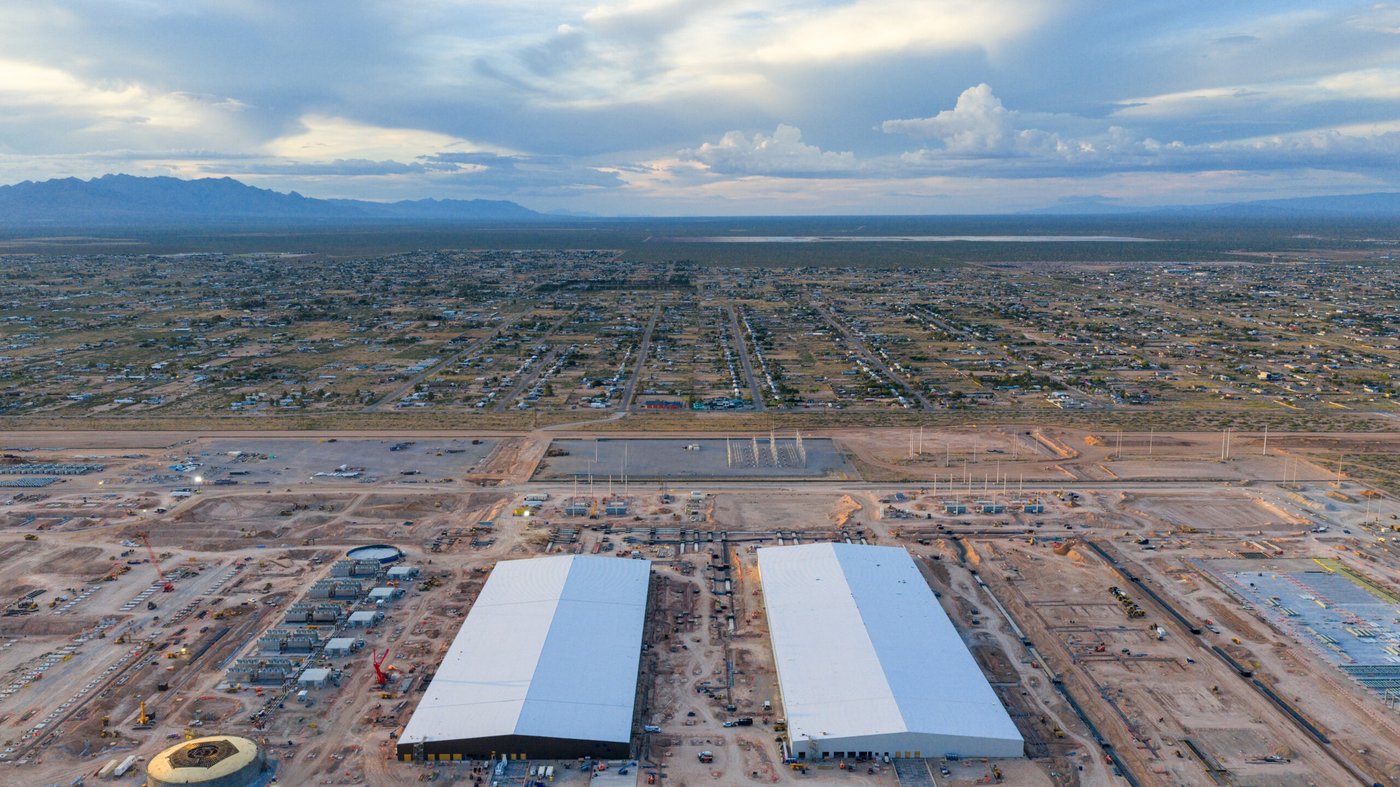
The scale of that spending explains the timing. Meta has guided investors toward capital expenditure in the tens of billions of dollars for the year, most of it for servers and the buildings that house them. Each new campus also brings a power contract that runs for fifteen or twenty years, which means the emissions attached to a decision taken this quarter will still be on the books long after the 2030 deadline has passed. Analysts who model the company’s energy position say the direction of travel was visible a year ago and that the report formalises it rather than reveals it.
The promise being reworked was made in 2020, when Meta said it would reach net zero across its full value chain by 2030 and align its operations with the Paris Agreement. At the time the target was among the most aggressive in the industry, well ahead of peers that had chosen 2040 or 2050.
Nothing in the review is illegal. Europe’s corporate sustainability reporting rules oblige large companies to publish audited emissions data and to explain any revision to a target they have already announced. California’s disclosure laws, phased in over the same period, push in the same direction. Neither regime forbids a company from moving a deadline; both make the movement visible, which is the point.
Investors have mostly treated such targets as a reputational line rather than a valuation one. That holds less firmly than it did. Asset managers with climate mandates screen holdings against published targets, and several European pension funds now ask about target integrity in their engagement letters. A weakened commitment narrows the pool of buyers for a green bond or a mandate, though rarely by enough to move a spread on its own.
The harder question is what a target means when the business and the promise pull apart. Meta’s electricity consumption is rising because its customers want AI, and that demand is what shareholders are paying for. A company can keep a 2030 date on paper by buying credits and clean power certificates, or it can keep the intent by slowing construction. Meta has not said which it will choose, and the report does not indicate how heavily it intends to rely on removals to close the gap.
Its previous approach leaned on matching electricity consumption with renewable purchases. That method addresses operational emissions well and does very little for the embodied carbon in chips, racks and concrete, which is where the increase is coming from.
Procurement has moved in the same direction. Meta has signed long-term agreements to buy power from existing nuclear plants and has asked developers to propose up to 4 gigawatts of new nuclear capacity, part of a wider scramble among large technology companies for firm, carbon-free electricity. Those contracts take years to deliver. The gap they are meant to close is widening now.
Peers face the same arithmetic. Microsoft’s emissions have risen since 2020 and Google has attributed part of its own increase to AI. Amazon dated its target to 2040 rather than 2030, which leaves it less exposed to the comparison. The pattern across the sector suggests a structural problem rather than a failure of execution at one company.
Inside the report, the language leaves room. A review is not an abandonment, and Meta still publishes the intensity metrics it says it will revisit. Companies that miss a climate target rarely announce the miss. They reclassify the target as directional, stop reporting against it, and let the date pass without a statement.
Meta has taken the first of those steps in public. The second is now a question of dates, and the company has given itself until 2030 to answer it.



