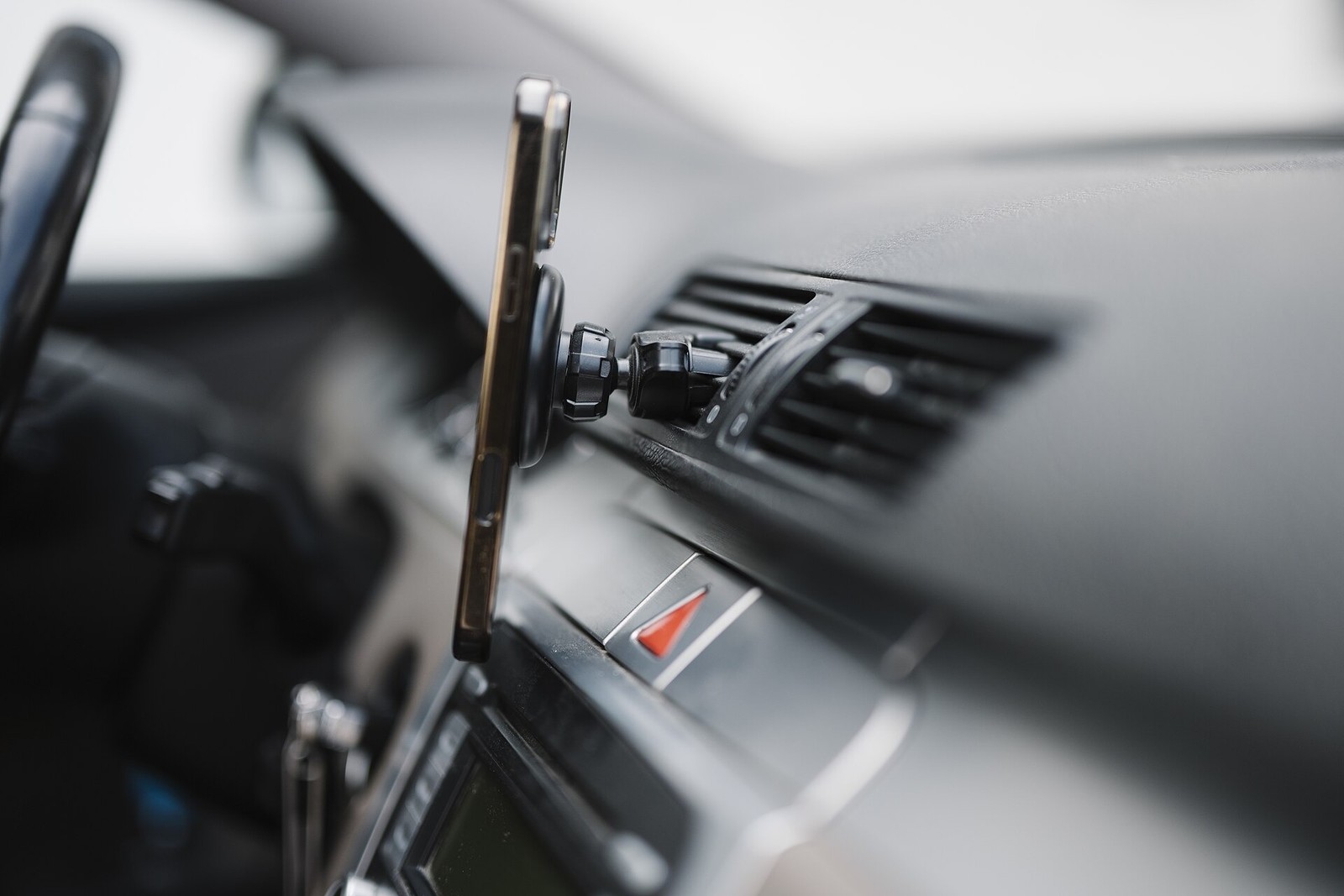
A rider opening Uber in the United States this week may notice a new label attached to some cars. Uber began a pilot on Nov. 23 that lets passengers book vehicles whose drivers have switched on Record My Ride. Orders of that kind appear in the app as Recorded Rides, and the driver’s phone records audio and video for the length of the trip.
The company said the feature exists for dispute evidence and for safety. Whether it is on is the driver’s decision, made by opting in. For the passenger, choosing one of those vehicles means the details of the journey remain on the platform and on the driver’s device, which is a different arrangement from a camera mounted in a vehicle the company owns and controls.
Notice in this design is the label. The rider consents by selecting the car rather than by answering a prompt when recording begins, and that difference matters more than it looks. A label on a booking screen is read at the moment of price comparison, when the rider is deciding between three options and a few dollars. A prompt at the start of the trip is read when the ride is already happening and the rider has less room to decline. Uber has chosen the lighter of the two, and the legal weight of that choice will depend on where the pilot runs and how the labels are displayed.
The timing puts the pilot against a week in which data governance moved in the other direction elsewhere. Anthropic opened a beta of Enterprise Frontier Safeguards that lets corporate customers of its Mythos and Fable models keep prompts and responses inside their own AWS or Google Cloud environments, with the customer holding the keys. The 30-day retention requirement is unchanged, but the data no longer has to sit with the model provider. Under the program, the company said it runs occasional 15-minute scans for signs of an attack and, if it finds one, alerts the customer without gaining access to the data itself.
In Britain on Nov. 24, regulators made a similar point from the other side of the transaction. The Information Commissioner’s Office said privacy has to be embedded from the design stage as Meta launched its Muse personal agent in the country, and Meta agreed to voluntary monitoring and reporting. The Competition and Markets Authority said Meta had revised its terms after consultation to make them fairer, and that it would keep watching how the agent behaves in practice.
Both of those arrangements give the party being observed a say before data moves, and both were negotiated in public with a regulator in the room. Uber’s pilot gives the say to the driver, who is also choosing to be recorded, and asks the passenger to accept the arrangement by picking the car. The camera faces the cabin, so the driver is on the recording for the whole shift as well. Some drivers will treat that as a fair trade for protection against false complaints. Others will treat it as surveillance they did not price into the work.
The question of who gets to decide has been unusually visible this month. Federal prosecutors argued on Nov. 23 against bail for a former OpenAI engineer, saying they had found hundreds of audio files on his computer, including recordings of dozens of internal meetings held in September, some of them apparently taken with a device hidden behind a meeting room television. Whatever a court decides about that case, it makes the point that a recording made without the knowledge of the people in the room is treated as evidence of wrongdoing rather than as evidence of care. Uber’s pilot is built to keep the recording disclosed, which is why the label exists at all.
The evidence value is real, and it cuts both ways. A recording settles arguments about what was said and what happened in a way that a support ticket cannot, which is why insurers and legal teams tend to like footage. The same footage becomes a record that can be requested in a dispute, and a record that exists is a record that can be produced, subpoenaed or leaked. Companies that collect it inherit the obligation to store it carefully and to destroy it on schedule.
For riders, the tradeoff is safety against a permanent account of where they went and who they were with. A rider who takes a recorded car at midnight and a rider who declines one are making different bets about which risk is larger, and the app currently prices neither. If recorded vehicles earn more, drivers will opt in for the income and riders will find the choice harder to refuse, at which point a safety option becomes the default.
The company’s description leaves several things open. It does not say how long footage is kept, who can request it, whether a rider can stop recording mid-trip, whether the driver can review the file before a dispute is filed, or whether drivers who opt in earn more per trip. Those are the details that decide whether the feature is a safety tool or a data collection program with a safety rationale. Until they are published, the label in the app is the whole policy, and the rider is being asked to trust a sentence on a booking screen.