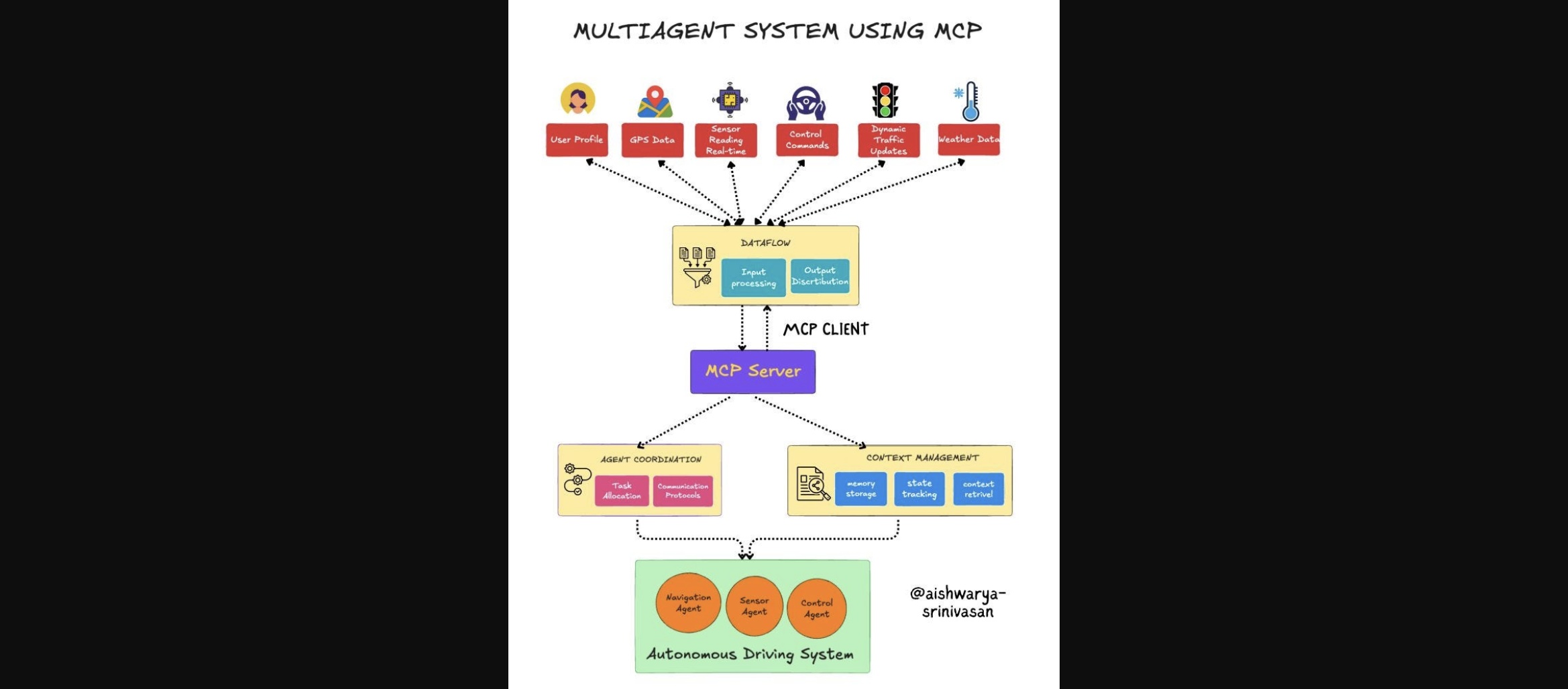
The headline on a Hacker News thread in late May was blunt: MCP is dead. The Model Context Protocol, the open standard that was supposed to let AI agents talk to databases, file systems and software tools the way USB-C lets one cable charge everything, drew 231 comments, and they split into two camps.
The first camp said the protocol’s boosters declared victory before the infrastructure existed. The second said this is what standardization looks like: a period of noise before the useful parts harden. Both sides agree on one thing — the argument is about more than a protocol.
Anthropic introduced MCP in late 2024 with a simple promise: build one server that exposes a tool to any compliant agent, and developers stop wiring every agent to every service by hand. OpenAI, Google and a long list of toolmakers signed on, and the industry anointed it the “USB-C of the AI ecosystem.” Anthropic has now been pushing the protocol for more than a year, publishing the specification as an open standard, maintaining SDKs in a half-dozen languages, and funding the reference implementations that most of the ecosystem runs on.
The backlash built through the spring. In March, Perplexity’s chief technology officer, Denis Yarats, told the Ask 2026 conference that the company was stepping back from MCP in favor of traditional APIs and command-line tools. An analysis by Quandri Engineering, a startup that builds AI agents for back-office work, catalogued the complaints: MCP tool definitions eat context windows before a user types a word; the protocol is less reliable than a direct call; and for a single agent talking to a single service, it adds a layer nobody needs.
The analysis used a restaurant analogy that spread quickly through developer forums: “You sit down and 10 menus are spread across the table. There’s no room left for actual food.”
Security researchers added a sharper problem. In April, a design weakness was reported that could allow arbitrary command execution on systems running vulnerable MCP implementations. Astrix Research analyzed more than 5,200 open-source MCP servers and found that 88% require credentials, 53% rely on long-lived static secrets, and only 8.5% use OAuth. For a protocol whose pitch is safe, governed tool access, those numbers undercut the message.
The defenders make a different argument, aimed at enterprises rather than solo developers. When an agent runs a command-line tool, it runs with the user’s permissions and leaves no audit trail. A department running dozens of agents, each needing keys for Slack, Jira and GitHub, recreates the chaos the industry spent a decade fixing with single sign-on — at machine speed. MCP, its backers say, is the layer that gives those agents authentication, audit trails and governance. The “MCP is dead” narrative, they argue, comes from individual developers who never needed the protocol’s core value proposition in the first place.
Anthropic shows no sign of retreating. The company has answered the loudest complaint directly: Claude Code now ships Tool Search with deferred loading, which pulls tool schemas on demand and, according to the company, cuts context usage by more than 85%. The specification itself keeps moving, with work underway on OAuth-based authentication, gateway support and a formal lifecycle policy — the kind of plumbing that excites nobody but decides whether a standard survives contact with corporate security teams.
Analysts see a familiar pattern. The market-research firm Gartner has a name for the stretch between peak expectations and productive use: the trough of disillusionment, where weak technology dies and strong technology gets hardened. The “MCP is dead” posts are concentrated among developers optimizing for personal productivity, where the criticisms are legitimate but narrow. Enterprise adoption, where the protocol’s value proposition actually lives, is only beginning, and the complaints that dominated the spring — token overhead, schema bloat, weak auth — are precisely the problems the next revision of the spec is designed to solve.
The debate has already changed the protocol. Context overhead is being engineered away. Security is being addressed in the specification rather than in patches. Providers who stepped back, Perplexity most visibly, still support MCP for customers who ask, a sign that the break was about internal engineering rather than doctrine.
What is genuinely at stake is which company gets to define how AI agents connect to the world. MCP was Anthropic’s opening move in that fight, and rival support for it has always been strategic as much as technical. The standard that wins will be the one that survives the trough, and the past month of argument is part of the hardening process, whatever the headlines say.
The quiet tell is adoption. New MCP servers are registered every week, and the largest AI platforms still ship MCP clients by default. The developers arguing about the protocol’s death are, in most cases, using something built on top of it. Standards rarely die in a debate thread; they die when nobody shows up. On that measure, MCP is still very much alive.