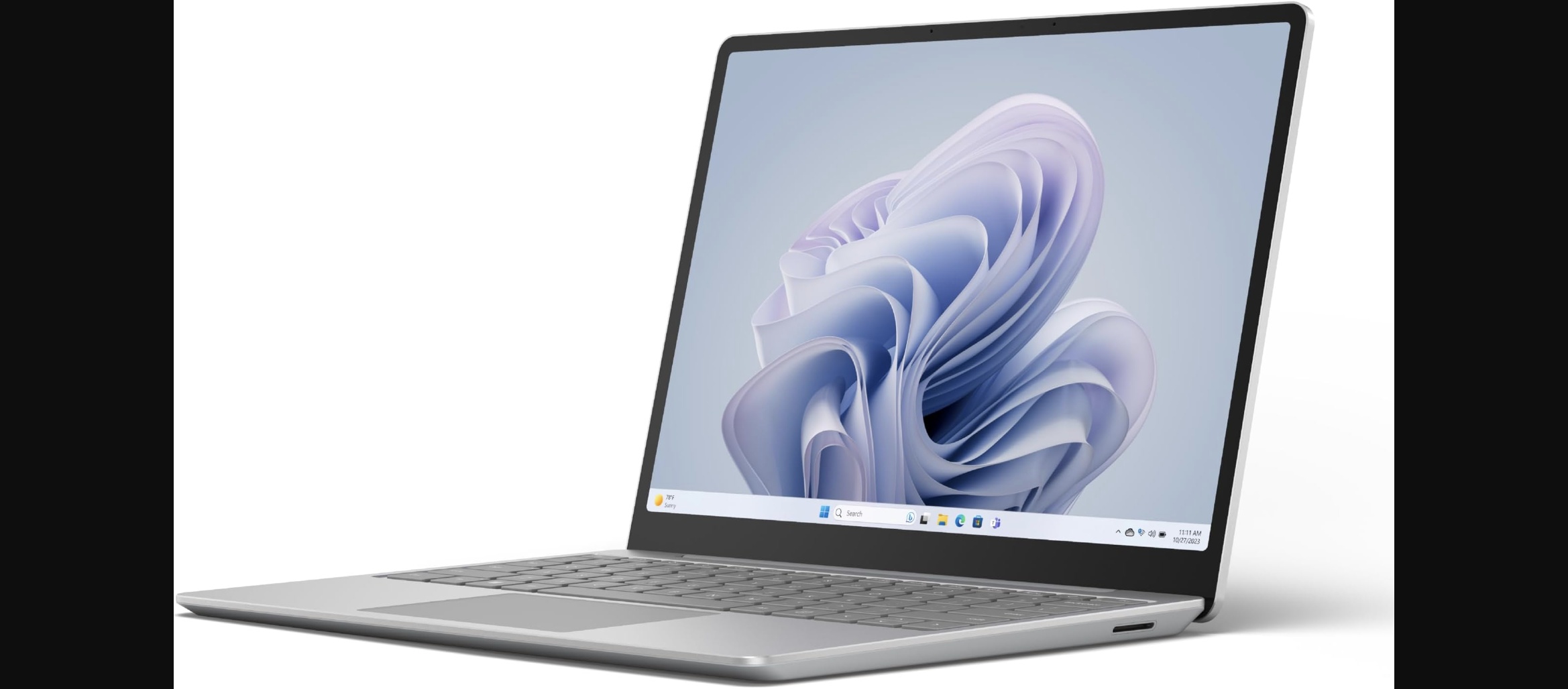
Microsoft’s Surface line has never been known for bold chip bets, and its one previous attempt to pair a Microsoft laptop with an NVIDIA processor ended in quiet retreat. That was the Surface RT of 2013, an Arm-powered device with limited software and a short life. The Surface Laptop Ultra, announced this week, is a different proposition. It is a 15-inch machine built around NVIDIA’s RTX Spark chip, an Arm-based processor with enough AI compute to run large language models locally, and it has reviewers reaching for the comparison Apple’s transition earned in 2020.
The Verge put it directly: this could be Windows’ M1 moment, though it added that the machine is expected to cost a lot. The reference is precise. Apple’s M1 chip proved that a unified-memory architecture, with CPU and GPU sharing one pool of fast memory, could beat the established Intel design on performance while using far less power. Microsoft has spent five years trying to make Windows on Arm credible, and the Surface Laptop Ultra is the most serious attempt yet, because this time the silicon is designed for the software that matters.
Microsoft’s marketing language says as much. The company calls the chip “a new class of GPU for AI,” and its own pages lean heavily into the AI story, describing the machine as the best Surface yet for AI, creation and gaming. The chip inside, RTX Spark, combines a Grace CPU and a Blackwell GPU with up to 128 gigabytes of unified memory, delivering about a petaflop of AI compute. That is enough to run 120-billion-parameter models on the device, with the entire context window held in memory, no cloud required.
For Microsoft, the machine serves two masters at once. It is the flagship demonstration that Windows on Arm has finally arrived, a message aimed at developers who have refused to port their applications to the architecture. It is also a statement about the future of the PC as an AI device: Microsoft has bet heavily on agents, and agents need local compute, low latency and constant availability. A laptop that can hold a model in memory and run it without a network connection is the hardware expression of that bet.
The launch is also a signal of how the industry’s alliances are shifting. Microsoft has been NVIDIA’s largest data-center customer and one of OpenAI’s most important partners, and now it is putting NVIDIA silicon in its own hardware. The two companies unveiled the device together, along with a companion developer machine, the Surface RTX Spark Dev Box, aimed at the same audience. For NVIDIA, the Surface endorsement is worth more than any spec sheet: Microsoft’s seal on the chip tells every corporate buyer that the architecture is safe to adopt.
Early reactions have been shaped by what reviewers cannot yet do. The Verge noted that the machine is promising but that the details, pricing, battery life and software compatibility, will determine whether the M1 comparison holds. Application support remains the open question for any Arm-based Windows device. Microsoft has spent years improving emulation, and most x86 software now runs on Arm Windows acceptably, but “acceptably” is not the standard Apple set with M1, where native applications quickly followed the hardware. For the M1 comparison to be earned, the flagship applications of the PC world, office suites, browsers, creative tools and games, will need to run natively, and that work is only beginning. The chip’s performance in AI workloads is a separate and more encouraging story, since local model inference is a new application category with no legacy code to port.
The economics of the device reflect its ambition. A flagship Surface with NVIDIA’s latest silicon, unified memory and a large display will price above the mainstream laptop market, and reviewers expect the premium to be substantial. Microsoft is betting that customers who have been buying AI PCs for the assistant experience will pay more for an agent-grade machine. Whether the software exists to justify that price is the question the first reviews will answer.
The announcement rounds out a crowded week for the platform. At Computex, NVIDIA confirmed that eight manufacturers, including Dell, HP, ASUS, Lenovo, MSI, Acer and Gigabyte, will ship RTX Spark devices this fall. The Surface Laptop Ultra is the most visible of them, and the one that carries the most weight, because it is Microsoft’s own statement about where Windows is going.
The M1 comparison will be tested in the same way it was for Apple: not by benchmarks, but by whether the software people actually use runs well on the new chip. Apple’s advantage in 2020 was that it controlled the operating system, the applications and the chip, one company driving the whole transition. Microsoft shares that control only partly; the hardware is NVIDIA’s, the software is a patchwork of Windows, third-party applications and emulation. If the Surface Laptop Ultra clears that hurdle, it will have done something no Arm Windows machine has done before.