SEATTLE — The device on the Build 2026 stage had no screen, no keyboard, and no obvious way to control it. It was a small black puck sitting on a table, and it was running a meeting. It took notes, tracked action items, checked them against the company’s travel policy, and when a participant asked about reimbursement rules, it answered from a policy document without anyone touching it. The puck was a demo device running Project Solara, Microsoft’s new operating system for AI agents, and the company’s argument was simple: agents no longer need a phone or a computer to live in.
Solara is a lightweight operating system designed for AI agent hardware. It is built to run headless, meaning no display, no keyboard, no mouse, and it is engineered to use so little memory and power that a device can be dedicated entirely to running agents. Microsoft’s premise is that agents will evolve from features inside apps into their own category of hardware, the way personal computers separated from mainframe terminals, and that this new category will need an operating system designed for it from the ground up.
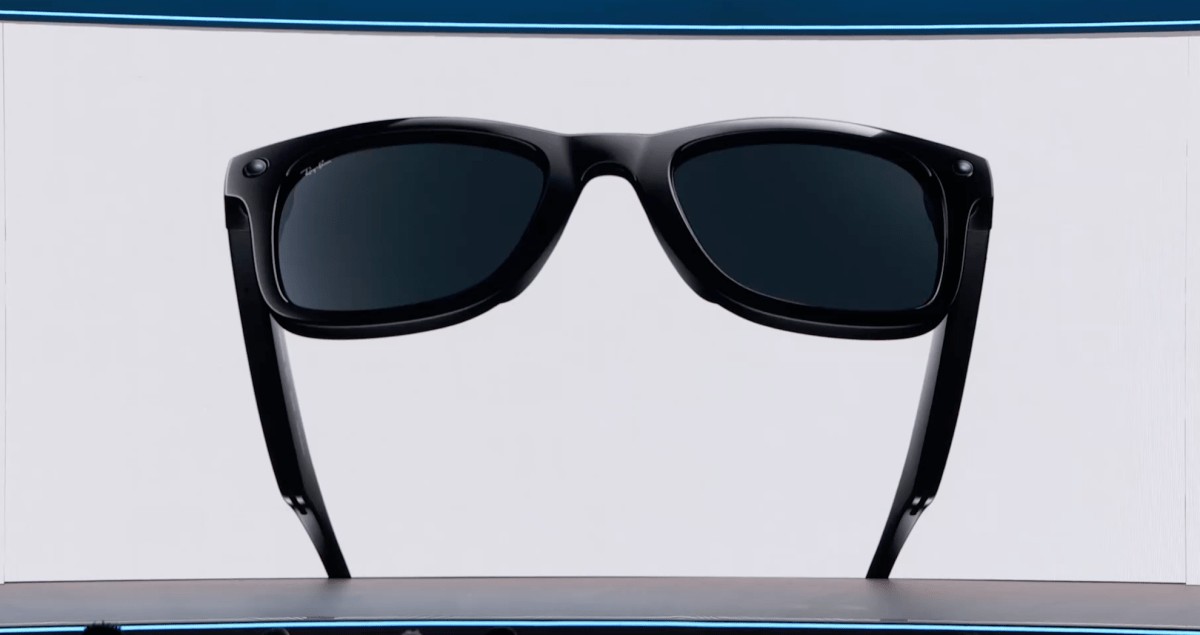
The category already has early entrants. Meta sells Ray-Ban smart glasses with an assistant built in. Google has pushed its Gemini assistant into a widening family of devices, including its Spark lineup of AI hardware. Those efforts treat the assistant as a feature of a device. Solara treats the agent as the whole point, with the device as an accessory. A Solara device is not a computer you talk to; it is a colleague that happens to live in a puck, a speaker, or a badge.
Microsoft executives described the difference in architectural terms. An agent running inside a phone operating system competes with every other app for attention, memory, and battery. An agent running on Solara owns the machine. It can stay awake continuously, listen without being summoned, and act without waiting for a screen to light up. The tradeoff is that a Solara device needs a connection to the cloud for heavy thinking, which makes connectivity, latency, and privacy the design questions that matter most.
The strategic ambition is larger than the product. Microsoft’s fortunes have always rested on owning the platform layer, the operating system that everyone else builds on top of. Windows gave the company the personal computer. Solara is the company’s bid to own the platform layer of the AI hardware era, the layer where the agent, the model, and the user’s data meet. Executives did not say so directly, but the comparison with Windows was in the room.
That ambition puts Microsoft in the path of companies with different definitions of the same future. Apple’s approach is to put agents inside its existing devices. Google is building an assistant ecosystem across Android, its watches, and its speakers. Meta is betting that glasses become the next major computing form. Microsoft’s answer is to be underneath all of them for the devices that run agents, in the same way Windows sat beneath the PC hardware of the 1990s regardless of who made the box.
Hardware makers are the immediate audience. Microsoft is not building Solara devices at scale itself; it wants other manufacturers to build them. The pitch to an OEM is familiar from the PC era: Microsoft supplies the operating system and the agent software stack, the manufacturer supplies the hardware, and the two split the economics. People familiar with the company’s partner discussions said several device makers have begun evaluating the platform, though no shipping products beyond the demo were announced.
The developer story is where Solara gets interesting. Agents need skills, integrations, and a way to be managed, and Microsoft is positioning the same agent framework used by Scout, its Microsoft 365 assistant, as the development environment for Solara devices. A company could build an agent once, run it inside its office software, and deploy the same agent on a dedicated device in a warehouse or a clinic. One code base, many homes, with the operating system in the middle collecting its share.
Analysts see both promise and risk. The promise is a new device category with Microsoft’s name on the platform layer. The risk is that the category arrives slowly, or that it never arrives as a category at all, leaving Solara as a niche product for a handful of early adopters. “The PC did not replace the terminal because the terminal was bad,” one analyst said. “It replaced it because the economics changed. Agents on dedicated hardware need the same kind of economic story.”
The demo in Seattle did not answer that question. It showed a puck running a meeting, checking policy, and taking notes, with no screen in sight. The unanswered question is whether businesses will decide that an agent deserves its own machine, or whether the phone in everyone’s pocket is good enough. Microsoft is betting the answer is a new box, and that the box will run its software.