
Peter Thiel, the venture capitalist who made early bets on Facebook and Palantir, has invested in a lot of artificial-intelligence companies. Geoffrey Hinton, the computer scientist sometimes called the godfather of deep learning, has been more selective, warning publicly about the risks of the technology he helped create. Both are now investors in Etched, a startup that makes computer chips designed for a single purpose: running AI models.
Etched said it has raised a total of 800 million dollars across several rounds, with the most recent, a 500 million dollar financing completed in December, valuing the company at 5 billion dollars after the investment. The company had previously kept its fundraising quiet, and Tuesday’s disclosure, which also named Fei-Fei Li, the Stanford professor known for her work in computer vision, as an investor, was its most detailed public statement yet.
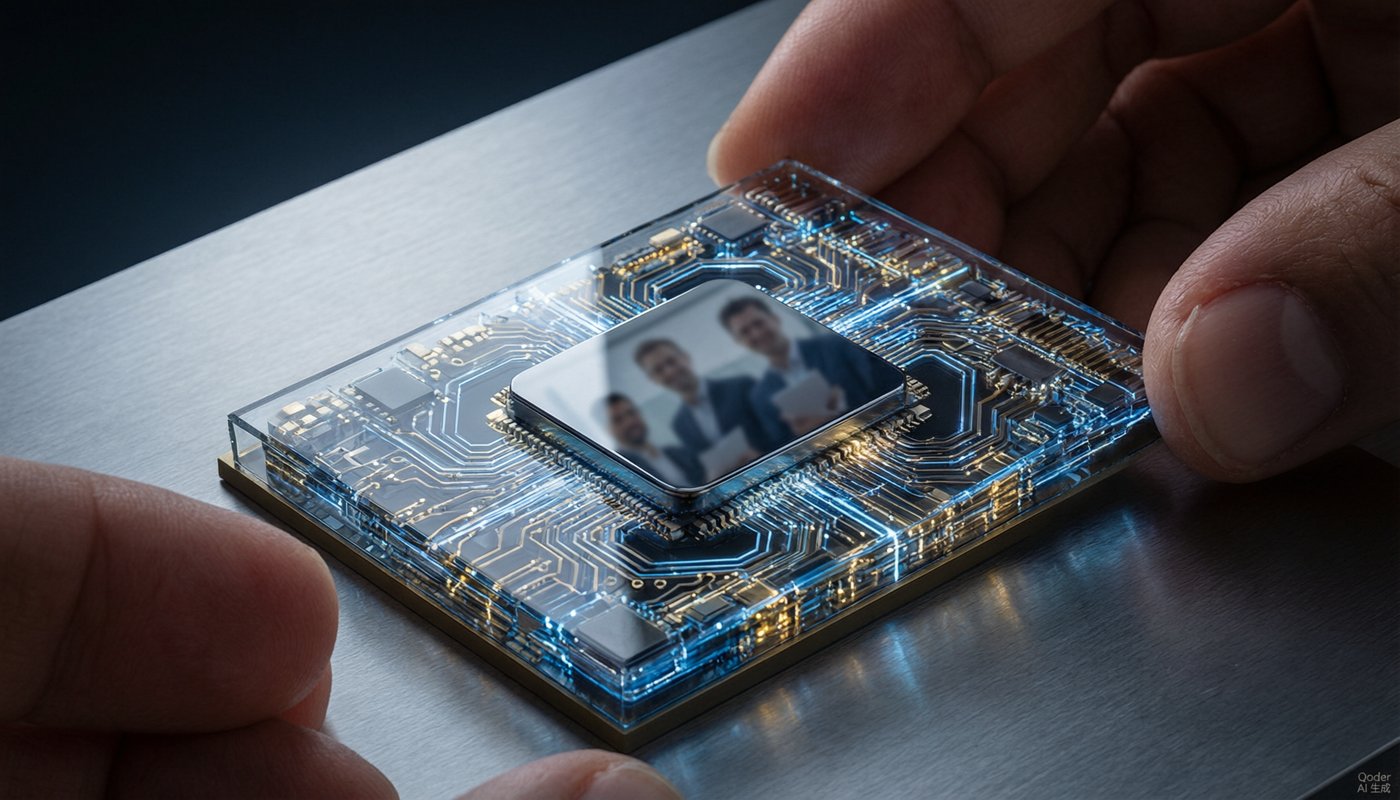
The startup’s pitch is a bet that AI computing will become more specialized, not less. Most AI work today runs on graphics processing units from NVIDIA, chips that were designed for video games and turned out to be good at training neural networks. Etched is building what are called transformer-specific chips, processors hardwired for the architecture behind ChatGPT and similar models, in the belief that specialized silicon will eventually beat general-purpose hardware on cost and speed.
That argument has divided the industry. NVIDIA’s dominance rests on the flexibility of its chips, which can run almost any AI model. Custom silicon, like the chips Google builds for its own data centers and the designs that Amazon and Microsoft commission, has been winning a growing share of AI workloads, but it is expensive to design and risky to commit to before a model architecture settles.
Etched’s founders are young, and the company has leaned into that. The founding team includes engineers who dropped out of Harvard, and the company’s public materials compare its approach to the way Bitcoin miners shifted from general-purpose computers to specialized chips. The analogy cuts both ways: that industry did specialize, but it also consolidated around a few large players.
The involvement of Hinton and Li adds a different kind of credibility. Both have spent their careers in academic research rather than venture investing, and their names signal that Etched’s technology has passed muster with people who understand the underlying science. Thiel, who has funded a network of AI companies and startups that challenge incumbents, brings a more combative reputation.
The financing structure is notable for what it says about investor confidence. The December round was completed at a time when AI chip valuations were being tested, with several public semiconductor stocks swinging sharply on questions about AI spending. The fact that Etched closed a 500 million dollar round in that environment, and that it waited months to announce it, suggests the company and its backers feel little pressure to chase the market’s mood.
The timing of the disclosure matters. Etched is entering a market where the largest AI companies are spending tens of billions of dollars a year on chips, and where startups that promise cheaper, faster alternatives have attracted enormous sums. Its 5 billion dollar valuation puts it in the same conversation as Groq and Cerebras, two other challengers that have raised hundreds of millions to take on NVIDIA.
Etched is also navigating a talent war. Specialized chip design requires engineers with rare skills, and the company has competed with NVIDIA, AMD and the cloud giants for the same people. Its founders have said the funding will go partly toward expanding the engineering team and partly toward securing manufacturing capacity, two costs that scale with ambition. The 800 million dollars buys time, but the clock starts when the first customer order does.
The company still faces the hardest part: shipping. Designing a chip is one thing; manufacturing it, finding customers and proving it works at scale is another. Etched has said its first products are being prepared for production, but it has not disclosed which customers have committed to buying them, and the company’s ability to secure manufacturing capacity, the scarcest resource in the chip industry, remains untested.
The funding round also reflects the broader flow of capital into AI hardware. Investors have poured billions into chip startups, betting that the computing demands of AI will create room for more than one winner. Most of those startups will not succeed, and the industry has a history of consolidation, but the scale of spending on AI data centers means even a small share of the market would justify the valuations.
For now, Etched’s investors are betting on a simple proposition: that the world will need more computing power for AI than general-purpose chips can efficiently provide. If they are right, the specialized designs Etched is building will be in demand. If the market keeps rewarding flexibility, the 800 million dollars will have bought an expensive lesson. The company’s founders say they are confident which way it goes, and they now have the money to find out.



