The machines that make the world’s camera sensors and power chips fell silent this week. Two days after a 7.1-magnitude earthquake struck Kumamoto prefecture, factories across the region’s semiconductor heartland remained shut, with no company able to say when production will resume.
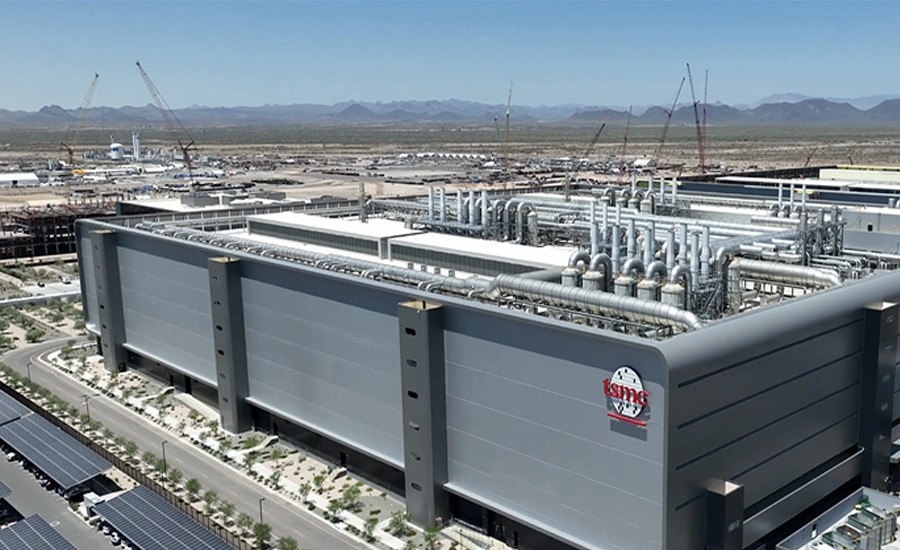
Sony’s image sensor plant in the area is offline, as are two Renesas factories that make automotive chips, two Tokyo Electron facilities that build chipmaking equipment, an Ebara plant that produces the pumps and cleaners used in fabrication, and two Mitsubishi Electric plants making power semiconductors, according to company statements. The status of TSMC’s new Kumamoto fab, the largest single investment in Japan’s semiconductor revival, has not been confirmed.
The quake, which struck on July 28, did not cause the kind of catastrophic damage that followed the 2016 Kumamoto earthquakes, which shut factories for months. But the industry’s response shows how fragile the region’s tightly woven supply chain has become: a single prefecture now supplies a significant share of the world’s image sensors, automotive chips and power semiconductors.
Kumamoto has become Japan’s semiconductor core by design. The government has spent billions of dollars rebuilding the industry, with TSMC building its first Japanese fab there and a wave of suppliers following. The cluster was supposed to be Japan’s answer to Taiwan’s dominance in chipmaking. Tuesday’s quake was a reminder that geography cuts both ways.
The immediate impact will be felt in prices. Image sensors are used in every smartphone and most cameras, and Sony’s plant is one of the largest producers in the world. Power semiconductors go into cars, trains and industrial equipment. Analysts said the shutdowns, if prolonged, would tighten supply across both markets at a time when inventories were already lean.
The timing compounds the problem. Automakers are rebuilding their own inventories after years of shortages, and power chip demand is rising with the shift to electric vehicles. Any extended halt at Renesas, which supplies a large share of the automotive microcontroller market, would ripple through car production schedules worldwide, as it did after the 2011 tsunami and the 2021 fire at one of its plants.
Tokyo Electron’s exposure is different but no less important. The company is one of the largest makers of chipmaking equipment, and its tools are installed in fabs around the world. A prolonged shutdown of its facilities would delay equipment shipments to customers who are already waiting in line for capacity.
The regional concentration is the deeper concern. Japan’s chip strategy has deliberately clustered investment in Kumamoto, betting that proximity would make the supply chain efficient. The strategy worked; the bet is that a region that sits on an active fault line can absorb shocks. This week has tested that assumption.
TSMC’s Kumamoto plant is the symbolic center of the cluster. The company built the fab with government subsidies and has described it as a pillar of its global expansion. A prolonged outage there would carry outsized weight, given how much of the AI chip supply chain depends on TSMC’s output.
The region has been here before. In 2016, two earthquakes in Kumamoto knocked Sony’s image sensor plant offline for months, and the global camera and smartphone market felt the shortage. The industry rebuilt with the assumption that a similar event would not happen again soon; the past week has revived the memory.
The supply chain’s inventory position makes the timing poor. Phone makers and automakers have run lean inventories through two years of uncertainty, and the just-in-time model that dominates both industries leaves little buffer. A shutdown measured in weeks, rather than days, would force buyers into the spot market, where prices are already rising.
TSMC’s Kumamoto plant is the newest piece of the cluster and the most consequential. The fab, built with heavy Japanese government subsidies, began production last year and was expected to ramp through 2026, supplying chips to Japanese customers and the global market. Its status, which the company has not confirmed publicly, will determine how much of the region’s recovery story survives.
The Japanese government has said it is assessing the damage and working with companies on recovery. Japan’s industrial policy, which has channeled billions into rebuilding domestic chipmaking, now faces a test of its own resilience, and the region’s recovery time will be watched as closely as any single factory’s restart date.
No company has given a restart date, and the industry’s experience says the first announcements are usually optimistic. The 2016 earthquakes took months to recover from fully, and even smaller events have caused weeks of disruption. For a region that has bet its industrial future on a fragile supply chain, the recovery time will determine whether Kumamoto’s chip revival stalls or survives.