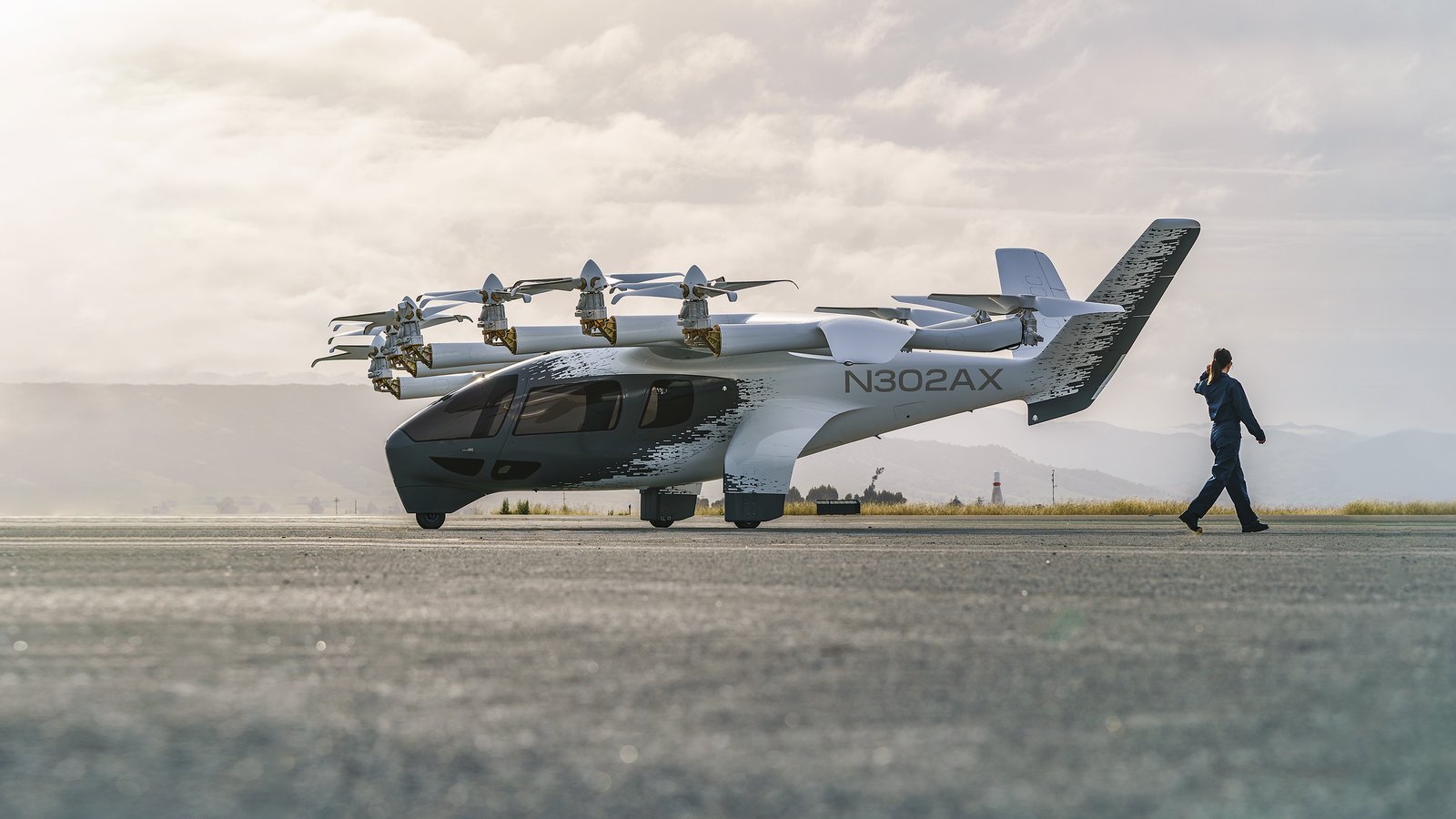
Archer Aviation has agreed to acquire Wisk Aero, the autonomous air-taxi developer backed by Boeing, according to TechCrunch, a merger that consolidates the electric vertical takeoff and landing industry around a smaller number of better-funded players.
The deal gives Archer, which has focused on a piloted eVTOL aircraft designed for urban air mobility, access to Wisk’s autonomous flight technology and, critically, to Boeing’s engineering resources and industrial relationships. Wisk, which operated for years as Boeing’s vehicle for autonomous air taxis, brought Boeing’s experience in certification, manufacturing and supplier management to the venture, and those capabilities now flow to Archer. The two companies were competitors for the same market, piloted and autonomous air taxis for short urban routes, and the combination removes a rival while adding the technology that many in the industry consider the endgame: fully autonomous passenger flight.
The eVTOL industry has spent the past decade promising a revolution in urban transportation and delivering mostly prototypes. The companies that survived the shakeout, Archer and its chief rival Joby Aviation, have burned through hundreds of millions of dollars each year while certification timelines slipped and commercial launch dates receded. Wisk, a private company, was seen as the third player in the race, backed by Boeing’s deep pockets but constrained by the same regulatory reality as everyone else: the Federal Aviation Administration has yet to certify any eVTOL aircraft for commercial passenger service, and the process is measured in years, not quarters.
The acquisition is the clearest sign yet that consolidation has arrived. With Wisk folded into Archer, the U.S. field narrows to a duopoly: Archer and Joby, both listed on U.S. exchanges, both chasing the same certification approvals, both betting that their designs will be first to market. Analysts said the merger improves Archer’s odds by giving it a second aircraft program, a broader patent portfolio and a relationship with Boeing that could matter for manufacturing and for military work, where Boeing has deep ties. Joby, which has its own partnerships, including a long-standing relationship with Toyota, will now face a competitor with a stronger industrial backer.
Wisk’s path to this point was itself a study in patient capital. The company traces its roots to Zee.Aero and Kitty Hawk, the aviation projects funded by Google co-founder Larry Page, and Boeing became its anchor investor in 2019, later committing roughly $450 million to the venture. Wisk’s aircraft, a four-seat, fully autonomous design with 12 electric motors, was one of the first eVTOL concepts to fly routinely, and its certification strategy, built around flying without a pilot from day one, was both its ambition and its hardest regulatory hurdle. Under Archer’s ownership, that autonomous technology becomes one piece of a broader portfolio rather than the whole bet, and the certification risk is spread across two aircraft programs instead of concentrated in one.
The deal also reflects the economics of the industry. eVTOL development requires enormous capital before a single paying passenger flies, and the window for raising that capital has narrowed as investors have grown impatient with delayed timelines. Combining engineering teams, consolidating supply chains and merging certification efforts can cut costs meaningfully, and the survival math for the sector has always pointed toward fewer, larger players. The question now is whether two is enough, or whether Joby and Archer will eventually need each other too.
Boeing’s role in the transaction is worth watching. The aerospace giant has been trimming non-core investments as it works through its own financial troubles, and Wisk was a natural candidate for divestiture even as Boeing kept an interest in the technology. The structure of the deal, with Boeing taking a stake in the combined company, lets Boeing retain exposure to urban air mobility without funding it directly, a hedge that aerospace analysts said reflects the uncertainty around the market’s timing. Boeing’s engineering support, whatever form it takes, gives Archer a manufacturing partner that startups rarely have.
Regulatory and certification questions remain the industry’s defining uncertainty. The FAA’s certification framework for eVTOL aircraft is still evolving, and both Archer and Joby have warned that schedules depend on the agency’s pace. The military, meanwhile, has emerged as an early customer: the Air Force’s Agility Prime program has funded prototypes from both companies, and defense contracts could provide revenue before commercial service begins. Archer has said it expects the Wisk acquisition to strengthen its military position, given Boeing’s standing with the Defense Department.
For the broader eVTOL sector, the deal is a lesson in consolidation economics. Dozens of startups entered the race a decade ago with ambitious claims; most have gone quiet or failed. The survivors share a pattern: deep-pocketed backers, disciplined engineering and a willingness to merge rather than fight. Archer’s purchase of Wisk fits that pattern, and it raises the stakes for Joby, which must now show that going it alone is the better path. The next chapter of the air-taxi story will be written in certification offices and on balance sheets, and the field just got smaller, and the competition sharper, than it was a week ago.