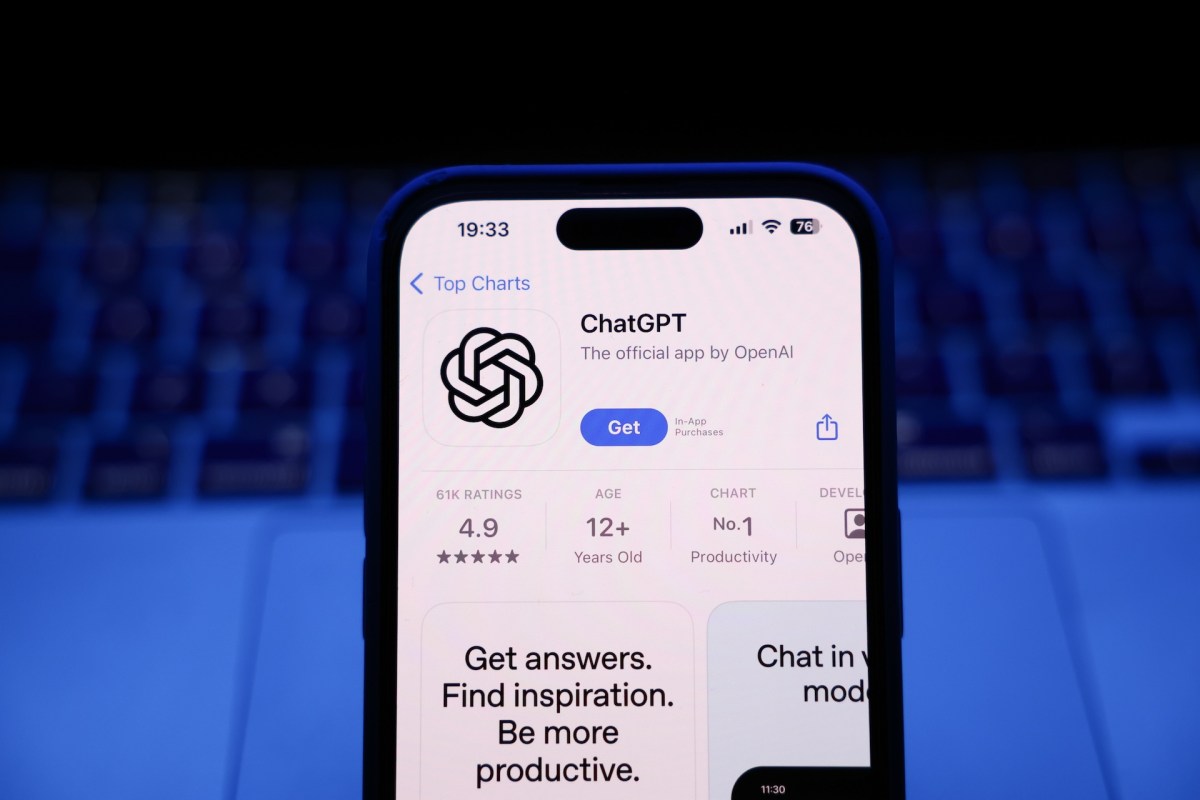
For more than three years, the consumer AI story had a single main character. The numbers published Tuesday suggest the script is changing. ChatGPT’s share of the AI assistant market fell to 46.4% by the end of May, the first time it has dipped below half, according to Sensor Tower’s State of AI 2026 report. The app began the year above 50%.
The report lays out the new order. Google’s Gemini rose to 27.7% of the market, and Anthropic’s Claude reached 10.3%, Sensor Tower said. Measured by time spent, the category is still concentrated: ChatGPT, Gemini and DeepSeek account for nearly 90% of total time across AI assistant apps, the firm found. The market has not fragmented; it has simply acquired more centers.
Scale still favors OpenAI. ChatGPT counts about 1.1 billion monthly active users, a base no rival approaches. But the direction of travel has changed. Users are moving between assistants with increasing ease, and the data shows the churn has picked up sharply: OpenAI’s February agreement with the U.S. Department of Defense triggered a 295% surge in app uninstalls, Sensor Tower found, as privacy-sensitive users left in waves.
The Pentagon deal is a case study in how fast sentiment can move. The agreement was a commercial win and a reputational shock at once; the uninstall spike followed within weeks. Whether those users returned is less clear, and the report’s share numbers suggest many did not. For a company that built its lead on trust as much as technology, the episode was a lesson in how quickly that trust can be spent.
Claude tells a different story at the margin. Anthropic converts about 13% of its monthly active users into paying subscribers, the best conversion rate in the industry, according to the report. Its users skew professional, and they pay for capability. For consumers, the choice is increasingly between ChatGPT’s scale, Gemini’s distribution and Claude’s quality per dollar, and the three companies are now selling against each other on all three axes.
What changed is that the market matured. Early adopters defaulted to ChatGPT because it arrived first, and it grew into the fastest consumer product of its era: 100 million users within two months of its November 2022 launch. Now the choice is deliberate. Gemini rides on the distribution of Android and Google’s search and workspace products; Claude attracts developers and professionals who pay; DeepSeek commands a large following in China and among open-weight enthusiasts, with low-cost models that have reshaped expectations about price.
Analysts who follow the category said the shift is structural rather than cyclical. Distribution, price and trust now matter as much as model quality, they said, and the era of the default app is ending. Users keep two or three assistants installed and switch by task, a pattern the report documents and one that would have been unthinkable two years ago.
The rise of DeepSeek complicates the competitive math in a different way. Its open-weight models are free to download and modify, which makes them a pricing anchor for the entire industry; its share of time spent places it among the top three assistants in the world, according to Sensor Tower, and its presence has pushed every rival to justify its prices against a model that costs nothing. For OpenAI, the combination of a resurgent Gemini, a converting Claude and a free DeepSeek is the hardest competitive environment the company has faced since its launch.
OpenAI’s response has been visible in the past week. The company launched a $150 million partner network on Tuesday to push enterprise adoption, and it is weighing significant price cuts to win back consumers, according to The Wall Street Journal. Both moves are reactions to the same number: 46.4%.
For investors, the shift raises questions about which business models win: scale at thin margins, or smaller audiences with high willingness to pay. Claude’s 13% conversion rate is the counterpoint to ChatGPT’s raw reach, and the market is now pricing both strategies against each other. The report also documents an industry that is still growing fast: engagement and revenue across AI assistants surged in the first half of the year, Sensor Tower said, even as the competitive order shifted beneath the growth.
For OpenAI, 46.4% is still dominance. No rival is close on raw scale, and the brand remains the strongest in the category. But the number that matters is the trend: the first dip below half, and the direction it implies. The app that once grew without trying now has to fight for every point of share, and the era of a single default assistant is over. The question now is which companies can hold their market share of a market that has begun to divide.