The chips are getting faster. The wires between them are not. That is the problem TSMC expects silicon photonics to solve, and the company says the technology will start accelerating from 2027, according to Taiwan News.
Inside a data center, the bottleneck has shifted. AI models now span thousands of chips working in concert, and the traffic between those chips has become as important as the computation inside them. Electrical interconnects, the wires that carry signals across a machine, are hitting hard limits on bandwidth and energy: they degrade over distance, consume power in proportion to speed, and generate heat that must be removed. Optical interconnects, which move data with light instead of electricity, travel farther with less loss and less power.
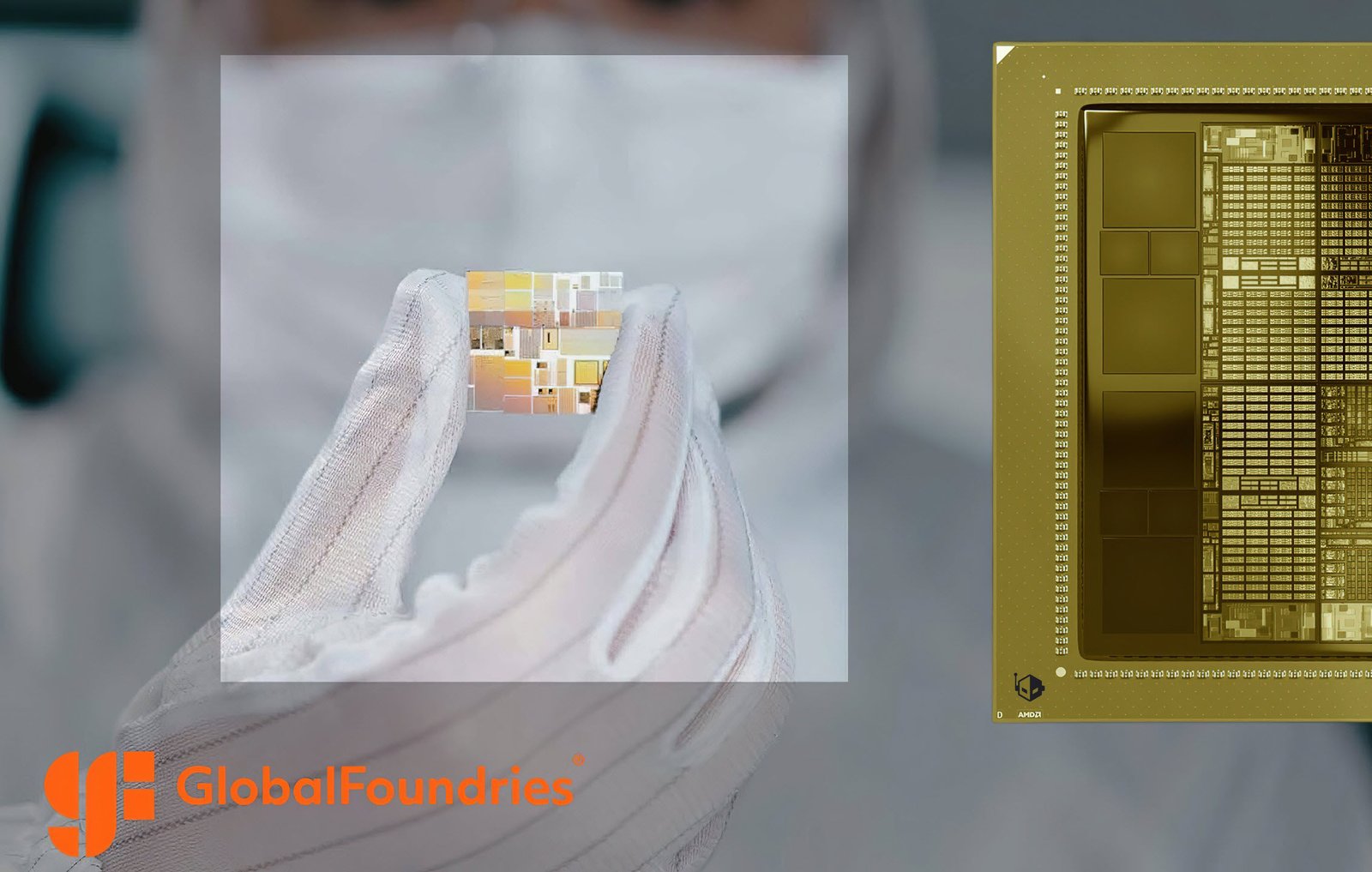
TSMC’s positioning is deliberate. The company rode advanced packaging, its CoWoS technology, to dominance in AI chip manufacturing, and it views silicon photonics as the next card after packaging: the technique that keeps the AI supply chain inside its walls as the industry’s requirements evolve. The company has been developing photonic components in its fabs, integrating lasers, modulators and waveguides into the same silicon that carries the computation.
The physics explains the urgency. Electrical signals need repeaters every few centimeters, and the repeaters cost power, latency and space. Light needs no such support: a photonic link can span meters inside a machine and kilometers between machines without regeneration. For AI systems that shuffle terabytes of data between accelerators every second, the difference is the difference between a system that scales and one that stalls.
The timeline is realistic rather than aggressive. 2027 is when the technology starts to accelerate, not when it debuts: the first deployments are expected in high-end data centers, where the cost of photonics is justified by the value of the compute it serves, with wider adoption following as volumes rise and prices fall. TSMC’s foundry scale gives it a structural advantage: the same process that makes the world’s most advanced AI chips can make the photonics that connect them.
The competitive field is already forming. Intel and Broadcom have pushed photonic research for years, and startups such as Ayar Labs have demonstrated chip-scale optical links with established partners. TSMC’s advantage is not invention but manufacturing: it can bring photonics to the process that makes most advanced chips, at a scale that startups cannot match and that rivals can only envy.
The economics are the adoption driver. Photonics adds cost per package, but it removes cost elsewhere: less power per bit, fewer switches and repeaters, less cooling, and simpler system designs. For an AI data center, where power is the operating constraint, the energy savings can justify the premium on their own, and the bandwidth headroom pays for the rest.
For the industry, the shift matters because interconnect, not transistor, is becoming the performance ceiling. Moore’s Law delivered a generation of chips whose speed doubled on schedule; the same physics now limits the wires between them. The companies that solve the interconnect problem will define the next generation of AI infrastructure, and TSMC intends to be the foundry that solves it.
The supply chain question is next. Photonics requires lasers, fibers, transceivers and packaging techniques that the industry does not yet mass-produce, and a new ecosystem is forming around them. TSMC’s bet is that it can assemble that ecosystem inside its fabs, turning photonics into a standard foundry capability rather than a boutique specialty.
The technology’s other virtue is energy. A modern AI data center spends a meaningful share of its power budget on interconnect: the transceivers, switches and repeaters that move data between accelerators. Photonic links cut that consumption by orders of magnitude per bit, and in a market where power availability, not chip supply, is the constraint on new data centers, the energy argument may matter more than the bandwidth argument.
TSMC’s customers have already begun designing for the transition. The major AI chip companies are planning co-packaged optics into their next-generation systems, and several have told suppliers they expect photonic capability on the same substrate as their accelerators by the end of the decade. The foundry that owns that substrate will own the next generation of the AI supply chain, which is precisely the position TSMC intends to occupy.
There are still open questions about standards. Photonics components from different suppliers do not yet interoperate cleanly, and the industry has not settled on the interface specifications that will define the market. TSMC’s answer is to build the ecosystem in-house, controlling enough of the component supply to set de facto standards the way it did with advanced packaging, a strategy that worked once and that the company intends to repeat.
The company’s patience has precedent. Advanced packaging took years to move from exotic to indispensable, and it is now the most valuable layer of the AI chip supply chain. Silicon photonics may follow the same curve: modest in 2027, growing through 2029, and indispensable by the early 2030s as electrical interconnect finally runs out of road. If 2027 is the year the technology begins to matter, the race to supply it is already underway, and the foundry that makes most of the world’s AI chips wants to make the light work too.