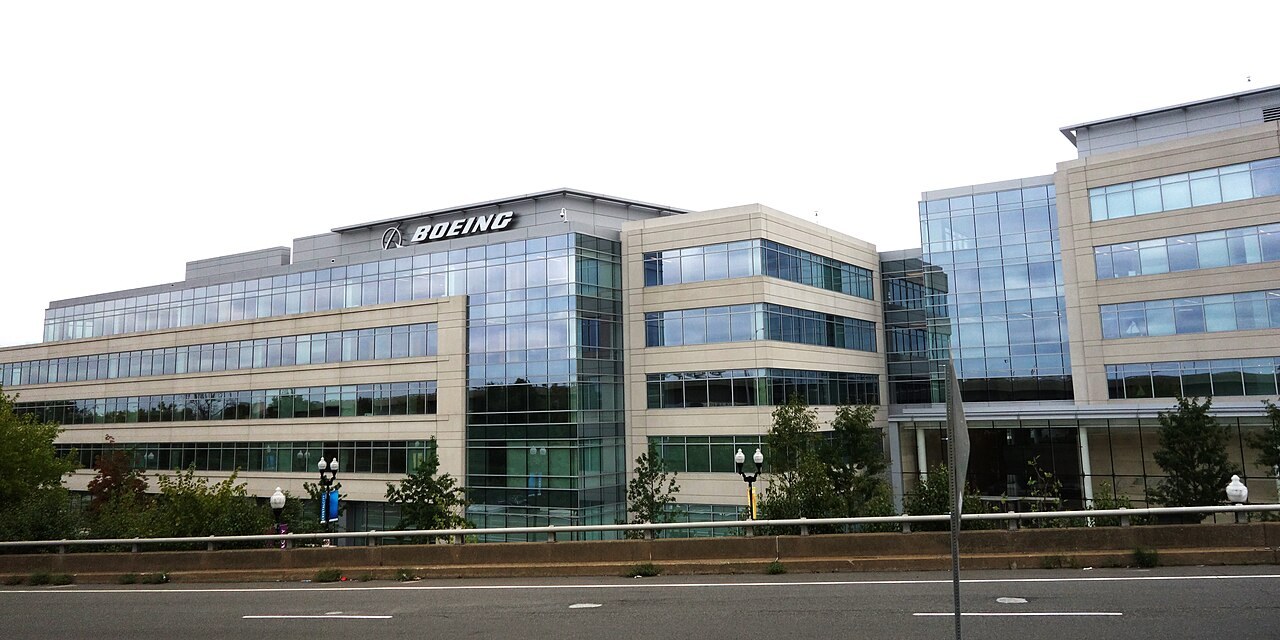
The engineers and technical workers who design and certify Boeing’s planes voted down a contract offer in August and authorized a strike. On the other side of that standoff, the company came back with a four-year proposal, and this time the union’s bargaining team is recommending its members take it.
The tentative agreement covers roughly 17,000 workers represented by SPEEA, the Society of Professional Engineering Employees in Aerospace. The union’s negotiating committee has endorsed the deal, which removes, for now, the threat of a walkout that would have halted work on the commercial jets Boeing is trying to deliver faster than at any point since the pandemic.
The agreement lands at the same time as a second set of talks. Boeing has put a wage offer on the table for the International Association of Machinists in Washington state: an immediate 10 percent raise upon ratification, another 4 percent in 2027, and a guaranteed minimum 4 percent annual increase through 2030. Both contracts sit on a deadline that concentrates the pressure, because the four-year agreement struck in 2024 runs out in September 2026.
The memory of that 2024 agreement still shapes the current talks. Boeing’s machinists walked off the job for 53 days that fall, a strike that halted most of the company’s aircraft production and ended with a contract that raised pay 38 percent over four years. The episode cost Boeing billions in delayed deliveries and reminded its leadership, and its workers, how much power a unified union holds when the order book is full.
That power is what the SPEEA vote made visible. When members rejected the company’s earlier offer and authorized a strike, they were signaling that the economic terms did not match the demands on them. Boeing’s engineers carry the workload of certifying new aircraft and fixing the ones already in service, and the company’s push to raise production has stretched that workforce.
Boeing has reasons to avoid another stoppage that go beyond the obvious cost. The company has been rebuilding its reputation with airlines after a stretch of quality problems, and it is trying to ramp up output of its cash-cow 737 and the larger 787 at a moment when global demand for aircraft is strong. A strike by engineers would slow deliveries and hand market share to Airbus, Boeing’s only large competitor.
The tentative deal does not guarantee peace. The SPEEA membership must still vote on it, and an endorsement from the bargaining team does not always carry the rank and file. The August rejection showed that the gap between what the company offered and what the workers wanted was wide enough to break the first agreement. Whether the new terms close that gap is the question the vote will answer.
The parallel machinists offer carries its own uncertainty. The 10 percent upfront raise and the guaranteed floor through 2030 are structured to appeal to workers who want certainty, but the same workforce walked out in 2024 despite a contract that looked generous on paper. The unions remember their power, and the company remembers the cost.
The 2024 machinists strike was the most painful episode in Boeing’s recent history. For 53 days the company’s airplane factories in the Pacific Northwest went quiet, deliveries stalled, and airlines that had ordered jets waited through the stoppage. The settlement, with its 38 percent pay increase, restored production but left the company with a workforce that had learned the value of solidarity and a management that had learned the cost of underestimating it.
The engineers now bargaining carry a different weight. SPEEA’s members are the ones who design aircraft structures, run the tests that prove a plane is safe, and sign off on the changes that keep the fleet flying. Their absence would not stop the line the way a machinists strike does, but it would slow every new program and every certification, and it would hit Boeing’s effort to win back the trust of regulators after a series of quality failures.
Boeing’s chief executive, Kelly Ortberg, took the job in 2024 with a mandate to fix the company’s production and its relationship with its workforce. The two contract negotiations are an early test of that mandate. A deal with the engineers, followed by a machinists agreement, would clear a path for the production ramp Boeing has promised. Another breakdown would put the company back in the position it spent 2024 trying to escape.
For now, the engineering deal removes the most immediate threat. A strike that seemed possible a month ago has been pushed back, and Boeing can keep building. The company’s bet is that a contract its own negotiators and the union’s team both signed off on will hold when the people who do the work cast their votes.