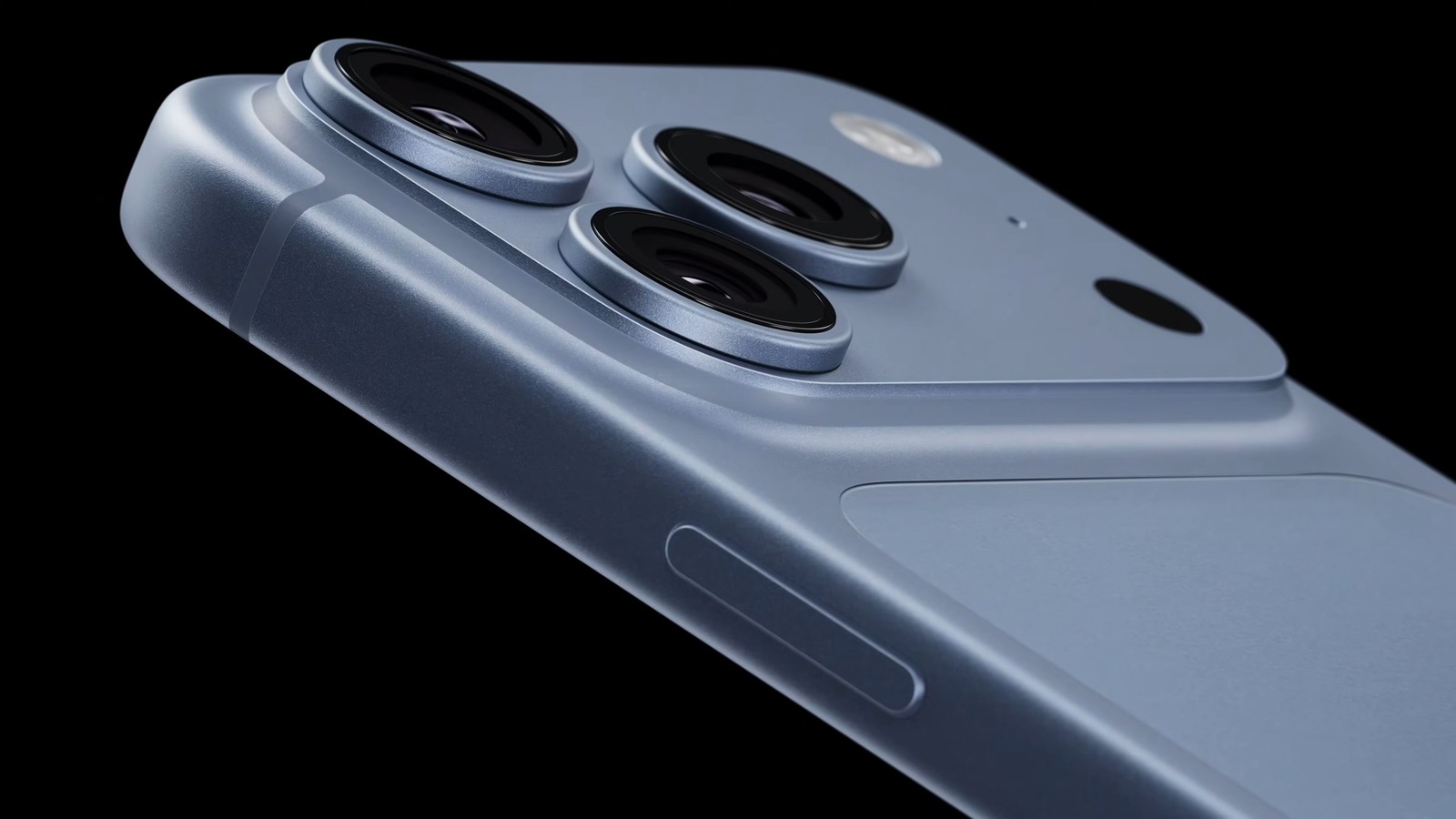
Apple began rolling out iOS 27 in waves by time zone on September 14, and developers digging through the release found something notable beneath the surface. The code suggests Siri’s underlying model can be swapped for alternatives such as Anthropic’s Claude or OpenAI’s ChatGPT, keeping the assistant’s foundation replaceable rather than fixed to Apple’s own technology.
The finding fits a posture Apple has held since it began integrating third-party AI models. The company has cast itself as a neutral layer that lets users choose which model powers their assistant, a contrast with rivals that route everything through their own models.
Apple has been unusually candid about its assistant strategy this year. Its Apple Intelligence features arrived gradually, and the company was slower than rivals to ship generative features, a lag executives attributed to a preference for getting privacy right before moving fast. Letting third-party models sit beneath Siri is part of that approach.
The rollout did not settle Apple’s dispute with European regulators. Apple in June said it would delay Siri’s AI features in the European Union for iOS 27, citing compliance risk. The European Commission responded on September 14 that the interoperability obligation under Article 6(7) of the Digital Markets Act does not require Apple to lower its product safety standards.
Article 6(7) obliges gatekeepers to provide free interoperability with the hardware and software features they control. The Commission’s reading, laid out on September 14, is that the obligation does not force Apple to strip out its own safeguards. Apple’s reading, in effect, is that opening the assistant to rivals does exactly that.
Apple had proposed a “trusted system agent” that would act as a security intermediary, along with an eighteen-month phased rollout. The Commission rejected both, according to the September 14 statement, leaving the two sides far apart on how the DMA’s interoperability rules apply to a voice assistant.
The fight is one front in a longer conflict. The European Union’s General Court in July rejected Apple’s appeal against its designation as a gatekeeper under the DMA. Apple’s deadline to appeal that ruling to the European Court of Justice falls around September 18.
Apple was designated a gatekeeper for its operating systems, App Store, and browser, a label that carries a list of obligations the company has fought in court and in public. The July ruling by the General Court, which upheld the designation, narrowed Apple’s options, and the September 18 deadline to appeal is the next step in that fight.
The gatekeeper designation has drawn resistance from Apple across its App Store, browsers, and messaging services. The Siri dispute extends the argument to the assistant layer, where Apple is being asked to open access to its operating system’s core features.
For Apple, the stakes are about control. The company has argued that forced interoperability can expose users to security and privacy risks, and that its own designs protect the data Siri touches. Regulators counter that the gatekeeper rules exist precisely because a closed system gives one company the power to set the terms.
Analysts said the Siri case is likely to drag on through appeals regardless of what happens in September. The substantive questions about interoperability and safety are novel, and neither side has shown much willingness to compromise.
The contrast between the two announcements captured Apple’s week. In most of the world, iOS 27 shipped on schedule with new features and a more flexible assistant. In Europe, the same software arrived with Apple’s AI features held back, a symbol of the regulatory gulf that now splits the company’s product map.
The practical result is a product that arrives in two versions. American and other users begin testing a Siri that can route requests to third-party models, while European users wait for a version whose terms Apple and Brussels have not yet agreed. The gap is likely to persist, because the underlying disagreement is not technical but legal.
Apple has said it wants to bring the features to European users when it can do so in a way that satisfies its obligations. It has not given a date, and the Commission’s latest statement offered no path that Apple has signaled it would accept.
The dispute over Siri is part of a wider reckoning over how the Digital Markets Act applies to artificial intelligence, a technology the law did not anticipate when it was drafted. The Commission’s guidance is being written in real time, through decisions like the one issued September 14, and each one sets a precedent for how the gatekeeper rules will bind the next generation of products.
Apple’s caution carries a cost beyond regulation. By holding back its AI features in Europe, the company concedes a market of more than 400 million people to rivals that face no such restrictions, a concession that grows more expensive the longer the standoff continues.
What the episode shows is that the world’s most valuable consumer technology company can no longer ship one product everywhere. The assistant that American users are beginning to test now exists in a different form, and under different rules, on the other side of the Atlantic.