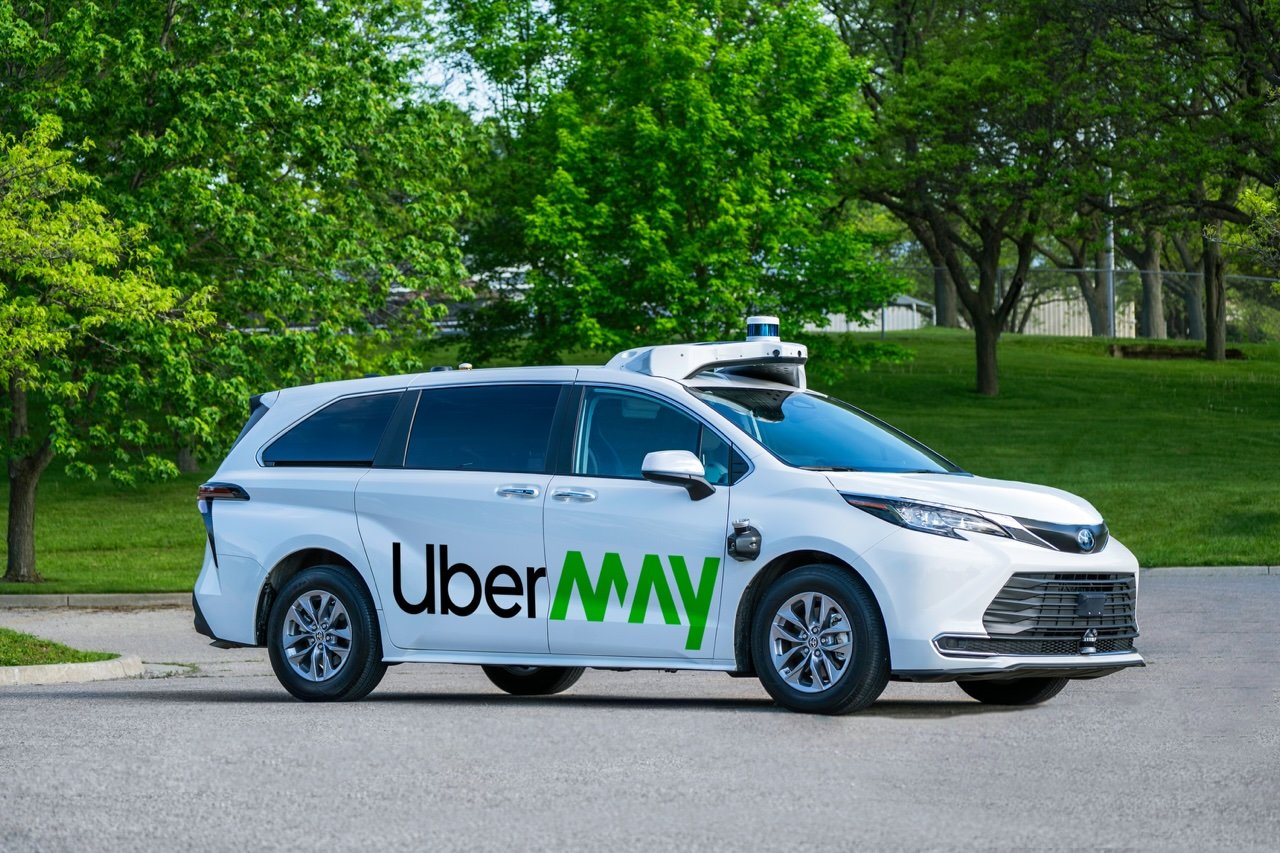
May Mobility, an autonomous shuttle company, said on September 15 that it will go public by merging with ACP Holdings, a deal that values the company at about 1.4 billion dollars. The transaction would raise up to 337 million dollars and, if it closes, would make May Mobility the first US company focused purely on autonomous ride-hailing to trade publicly.
The announcement marks a return of a structure, the SPAC, that burned many investors a few years ago and then largely disappeared from the market. That May Mobility chose it now says as much about the state of the autonomous-vehicle business as it does about the company itself.
May Mobility has spent years running small, driverless shuttles on fixed routes, a deliberately narrow approach in an industry where rivals chased the moonshot of a robotaxi that goes anywhere. The company has operated in a handful of US cities and Japan, moving passengers on routes short enough that the technology’s limits are manageable.
The fixed-route strategy has kept May Mobility alive while better-funded rivals struggled. Companies that tried to replace human drivers everywhere have burned through tens of billions of dollars, and several have collapsed or been absorbed. May Mobility’s smaller ambition looked less exciting, but it also looked more survivable.
The SPAC deal would give the company capital and a public listing on Nasdaq without the scrutiny of a traditional initial public offering. SPACs allow a private company to merge into a listed shell, a shortcut that was wildly popular in 2020 and 2021 and then fell out of favor as many of the companies that used them disappointed investors.
The 337 million dollars the deal could raise is a modest sum by the standards of the autonomous-vehicle business, where a single year of development at a large competitor can cost more. May Mobility has argued that its shuttle model requires far less capital because it operates in narrow, well-understood environments.
The company’s claim to be the first pure-play autonomous ride-hailing firm to list in the US is carefully worded. Other public companies work on autonomous driving, but most do it as part of a larger business, a carmaker or a ride-hailing platform that also employs human drivers. May Mobility’s entire business is the driverless shuttle.
Investors who remember the SPAC boom will be skeptical. The structure became associated with companies that had little revenue and large promises, and many of the deals from that era ended badly for the people who bought in. May Mobility will have to convince a wary market that its narrower approach and its revenue, it does collect fares, distinguish it from that history.
Analysts said the deal’s success will depend on the terms as much as the story. The amount of cash actually delivered, the share of the merged company retained by existing investors, and the redemption rate of ACP Holdings’ shareholders will determine how much money May Mobility really gets, and these details were not fully spelled out.
The broader autonomous-vehicle industry is in a period of consolidation. The companies that survived the first wave are now competing for the same customers, the cities, campuses and transit agencies that want shuttle service without paying for drivers, and for the same scarce capital. A public listing gives May Mobility a currency it has not had before.
For now, the announcement caps a long climb for a company that has spent years in the shadow of louder rivals. Whether the market values it near 1.4 billion dollars will not be known until the shares actually trade, and the lesson of the SPAC era is that the price on the day of the announcement and the price a year later are rarely the same.
May Mobility has kept its footprint deliberately small. The company has run shuttles in Michigan, where it began, and in a handful of other US cities, and it has operated in Japan, a market with an aging population and a pressing need for drivers. Its vehicles travel fixed routes at modest speeds, the easiest version of autonomous driving to make reliable.
The company has also picked its backers carefully. Toyota has invested in May Mobility, a relationship that gives the startup access to vehicles and manufacturing expertise while giving the automaker a window into autonomous shuttles. The backing matters in a market where credibility is scarce.
The SPAC route reflects the state of the public markets for autonomous vehicles. Traditional IPOs have been difficult for unprofitable technology companies, and the SPAC offers a faster path to a listing and to capital, at the cost of the scrutiny the structure now attracts after its earlier failures.
Analysts said the merged company’s first test will be its cash position. The 337 million dollars is an upper bound, not a guarantee, and the actual amount will depend on how many ACP Holdings shareholders choose to redeem their shares rather than stay invested. Companies that went public via SPAC have often found the money smaller than the headline.
The deal still requires shareholder approval and regulatory sign-off, and such transactions have a way of slipping. May Mobility has cleared the hardest part of any autonomous-vehicle company’s life, surviving long enough to go public. The question now is whether the public market believes the survival was worth 1.4 billion dollars.