The deadline had a dollar figure attached to it. Paramount had agreed to pay Warner Bros. Discovery $7 million a day, beginning October 1, if the two studios’ deal had not closed, a rarely used sweetener, called a ticking fee, that Paramount offered to convince Warner’s board to accept its bid and that was on track to cost nearly $2 billion.
This week Paramount made the payment unnecessary. Chief Executive David Ellison reached a settlement with a dozen state attorneys general, led by California’s Rob Bonta, removing the last real obstacle to a merger that would combine two of Hollywood’s oldest studios.
The price of the settlement is measured in movie tickets. The combined company must release at least 30 films to U.S. theaters in each of the first two years, and at least 32 in each of the following three, with a 45-day exclusive theatrical window for wide releases. At least 20 of the 30 films in the first two years must be wide releases, and at least four must be independent films each year.
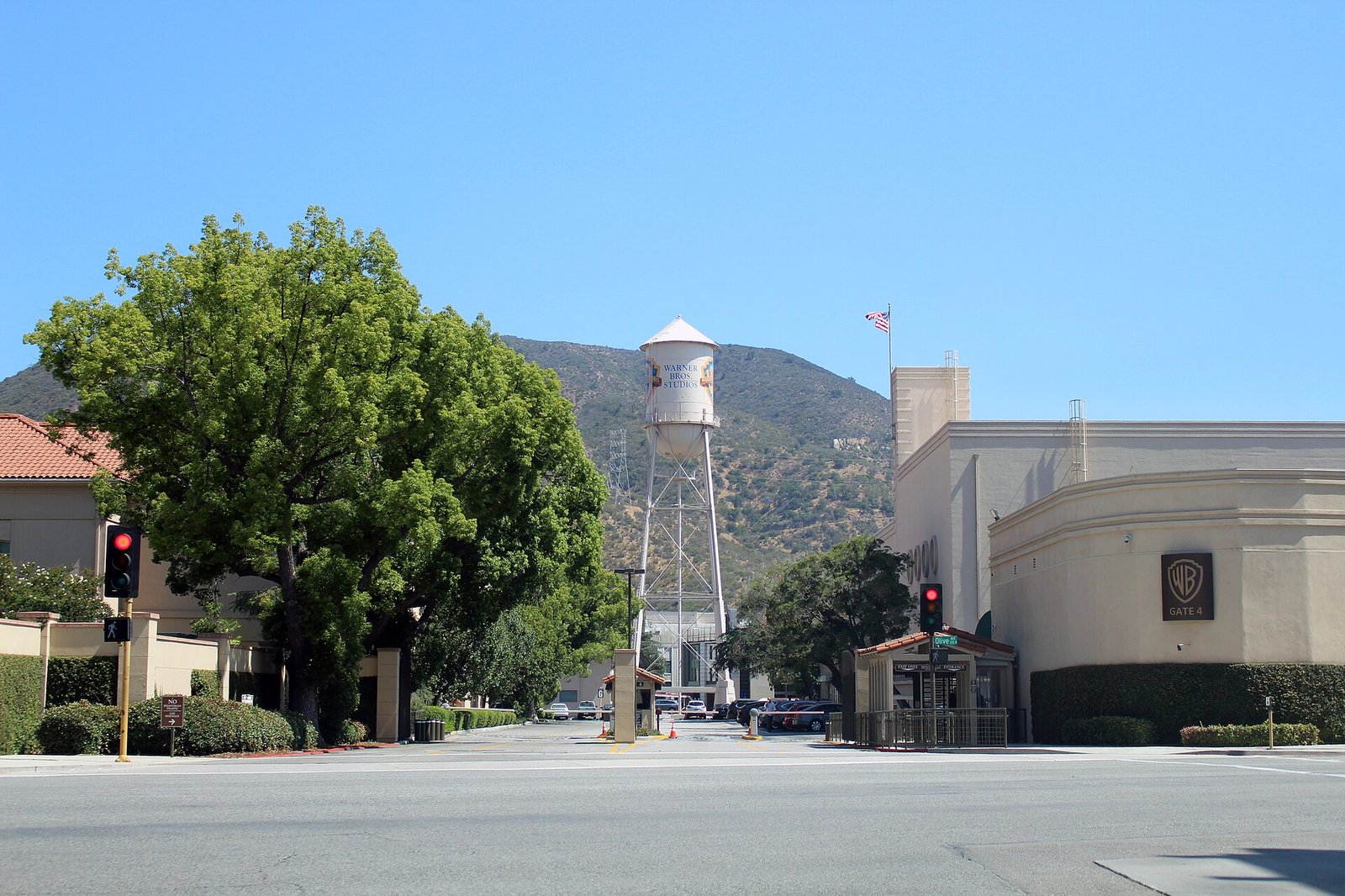
The commitments, filed in a proposed consent decree in federal court in San Francisco, also bar the combined company from selling the Paramount or Warner Bros. studio lots for five years and require an additional $300 million a year in U.S. film production, about $1.5 billion over the life of the decree. The company must also fund a board to protect the editorial independence of CNN and CBS News, and must keep films off streaming services for at least 90 days after they open in theaters.
The decree sets minimums for the kind of movies that count. At least half of the films must be produced or co-produced by the combined company, and at least a fifth must be tentpole pictures. Each film counted toward the commitment must carry a marketing spend consistent with typical practice for similar releases, and the chief executive and general counsel must certify every year that the company has met the terms.
The merger itself was announced February 27. Paramount agreed to buy Warner Bros. Discovery for $31 a share, valuing Warner at about $81 billion in equity and $110 billion including debt, with projected synergies above $6 billion. The deal is financed with roughly $47 billion in equity and $54 billion in debt, with Ellison’s father, Oracle co-founder Larry Ellison, personally guaranteeing much of the equity.
The ticking fee was the price of Warner’s board saying yes. Paramount attached the escalating payment to its offer to persuade directors who had spent months resisting a deal under chief executive David Zaslav. The fee made delay expensive for both sides, and as the October 1 deadline approached, it became the clearest reason the settlement could not wait.
The path since then has been a series of doors closing, mostly without resistance. The Department of Justice cleared the deal in June. The European Union followed. The Federal Communications Commission on September 17 waived a congressionally mandated cap on foreign broadcast ownership to allow three Middle East sovereign wealth funds, from Saudi Arabia, Qatar and the United Arab Emirates, to hold 49.5% of the merged company through non-voting stock.
The states were the holdout. A dozen attorneys general sued in July, alleging the combination would concentrate too much power in wide-release and tentpole films and in basic cable, and won a temporary restraining order that kept the deal frozen while the case ran. U.S. District Judge Araceli Martinez-Olguin set a March trial date.
Ellison, 43, had an answer for that: leave. He told his senior leadership team the company would relocate out of California if the merger was blocked, with Texas and Tennessee floated as front-runners, a threat that leaked to the press. Bonta, who had said he preferred structural remedies such as divestitures, accused the company of trying to pressure the state and dismissed such threats as blackmail.
The settlement stops short of what Bonta said he wanted. The states agreed to behavioral conditions rather than asset sales, saying they were wary of blocking the merger permanently. “If we block the merger, it would be forever,” a California deputy attorney general told the judge at a hearing Thursday.
The Writers Guild of America’s separate lawsuit is folded into the settlement as well, Ellison said, adding that the company now has complete clearance for the merger. The judge has not yet approved the consent decree, saying a ruling would come in due course. Senator Cory Booker has asked the court to subject the deal to an independent public-interest review before it takes effect.
Exhibitors, the theater owners who stood to lose the most, have split on whether the terms go far enough. Some said the guaranteed volume answered their biggest immediate fear; others asked what happens after five years, when the commitments expire. The combined company has already scheduled about 35 films for next year, above the minimum.
The merger is the latest turn in a rapid consolidation. Ellison’s Skydance Media bought Paramount last year in an $8 billion deal that purchased Shari Redstone’s controlling stake, then turned immediately toward Warner Bros. Discovery. Warner in December agreed to sell its studio and streaming assets to Netflix, then walked away, with Netflix collecting a $2.8 billion breakup fee, when Ellison sweetened his offer.
Ellison has framed the combination as a rescue of a struggling industry. The settlement turns that argument into a set of enforceable numbers, and gives the states five years to see whether the promise holds.