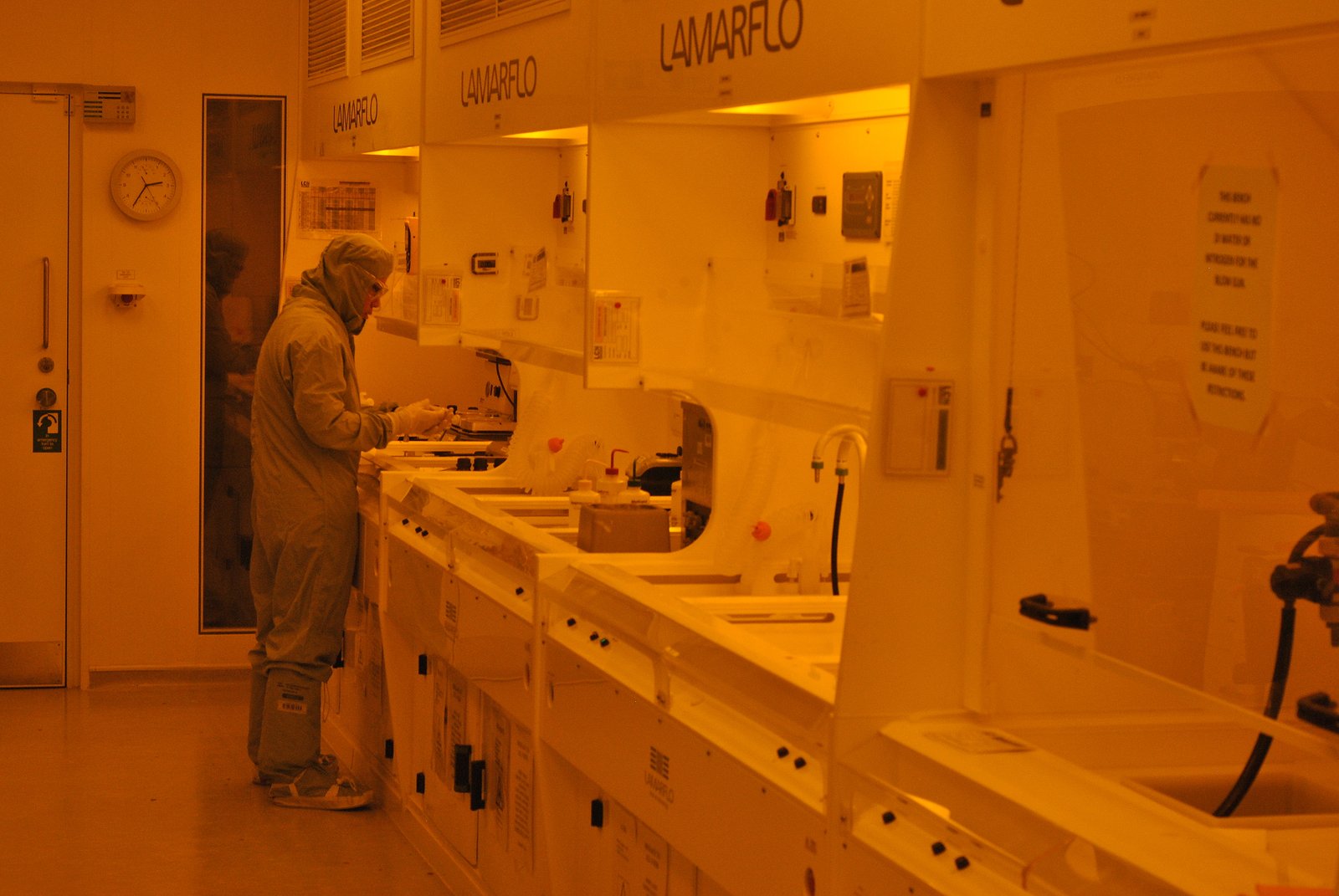
The concrete is poured and the cleanrooms are sealed. On Thursday, the German chipmaker Infineon Technologies will switch on a new semiconductor plant in Thailand, a factory it has spent more than 48 billion baht, about $1.44 billion, to build in a country better known for auto assembly and tourism than for the most delicate work in the chip business.
The plant, first reported on September 26, is one of the largest bets by a Western chipmaker on Thailand in years, and it arrives as the geography of semiconductor manufacturing is shifting. Countries across Southeast Asia are competing for the factories that once went automatically to China and Taiwan, and Infineon’s opening is a data point in that contest.
The Thailand Board of Investment announced the investment in a press release late Friday. The new facility bundles three functions under one roof: power module manufacturing, semiconductor testing, and a research and development center. Power modules are the packages that convert and control electrical power, and they sit inside electric vehicles, energy systems and data centers, the three markets now driving the boom in power semiconductors.
The jobs are the part Thai officials care about most. Infineon expects to employ more than 5,000 local workers at the plant, a hiring wave that turns the facility into one of the country’s larger private-sector employers in a single stroke. For a government that has courted chip investment for a decade with tax breaks and infrastructure, the headcount is the payoff.
Infineon’s choice of product matters more than the country. The company, based near Munich, is one of the world’s largest suppliers of power semiconductors, the chips that manage electricity rather than compute. As electric vehicles multiply and data centers strain the grid, demand for those chips has grown faster than demand for the processors that get the headlines. Building power-module capacity is a bet on a market that is less glamorous and, the company argues, more durable.
The company has reason to press the advantage. Infineon sits near the top of a global power-semiconductor market measured in the tens of billions of dollars a year, and it has ridden the same electrification wave that is rewiring cars, grids and server farms. A factory that makes power modules and tests them in-house shortens the path from design to delivery, and the Thai plant gives the company capacity outside its established European and Malaysian hubs.
Thailand has spent years positioning itself for exactly this. It already hosts a sprawling automotive supply chain and a growing electronics base, and the government has used incentives to pull chip investment toward industrial zones north and east of Bangkok. The country has also pushed hard to become a regional hub for electric-vehicle manufacturing, drawing automakers and battery suppliers with the promise of a market that can feed the rest of Southeast Asia. Infineon’s plant, with its testing and research functions, pushes the country up the value chain from assembly into design-adjacent work, a distinction that matters when a country wants to keep the factories it has won.
The timing is deliberate. Infineon has been expanding capacity across its power portfolio to meet orders from automakers and data center operators, and the Thai plant plugs into a global network that also spans Malaysia, Germany and Austria. The company has framed the expansion as a hedge: by spreading production across regions, it can supply customers without depending on any single country’s politics or ports.
For now, the plant opens into a market that has yet to test it. Demand for power chips has cooled from its peak as electric-vehicle sales in some regions have slowed, and the industry is watching whether the data-center buildout keeps absorbing capacity. Infineon has not said how quickly the new factory will reach full output, and full output is what turns a ribbon-cutting into a return. A plant this size carries fixed costs that only start to pay once the line is running near capacity, and the ramp-up will be watched closely by competitors and suppliers alike.
The opening is also a signal to Infineon’s rivals. Competitors such as STMicroelectronics and the Japanese power-chip makers are expanding in the same region, chasing the same customers, and every factory that comes online shifts the balance of who can deliver first when an automaker or a data center operator calls. Thailand has positioned itself as the low-cost, politically stable corner of that race, and Infineon’s arrival raises the stakes for the countries that lost the bid.
The question that will answer itself in the coming quarters is whether the 5,000 jobs and the $1.44 billion hold their value. Thailand has won the plant; the harder part, as every country that has chased a chip factory has learned, is keeping it busy once the ribbon is cut.