Google, OpenAI and Anthropic compete for the same engineers, the same data centers, and the same customers. On the question of how their frontier models should be policed, the three have spent the past two years in different corners. That appears to be changing. According to people familiar with the matter, the three companies are moving ahead with a plan to create an independent body to set safety standards for the most advanced artificial-intelligence systems, and they have settled on a working name: the Standards Authority for Frontier AI, abbreviated SAFA.
The plan was reported on September 24 by The Information, which cited the people familiar with the discussions. The body is still taking shape, and many details remain unsettled, including its exact structure, who will run it, and how it will be funded. But the direction is clear enough: the three developers intend to stand up an organization separate from any one company, with a launch targeted for late 2026 or early 2027, that would define benchmarks against which safety pledges can be measured.
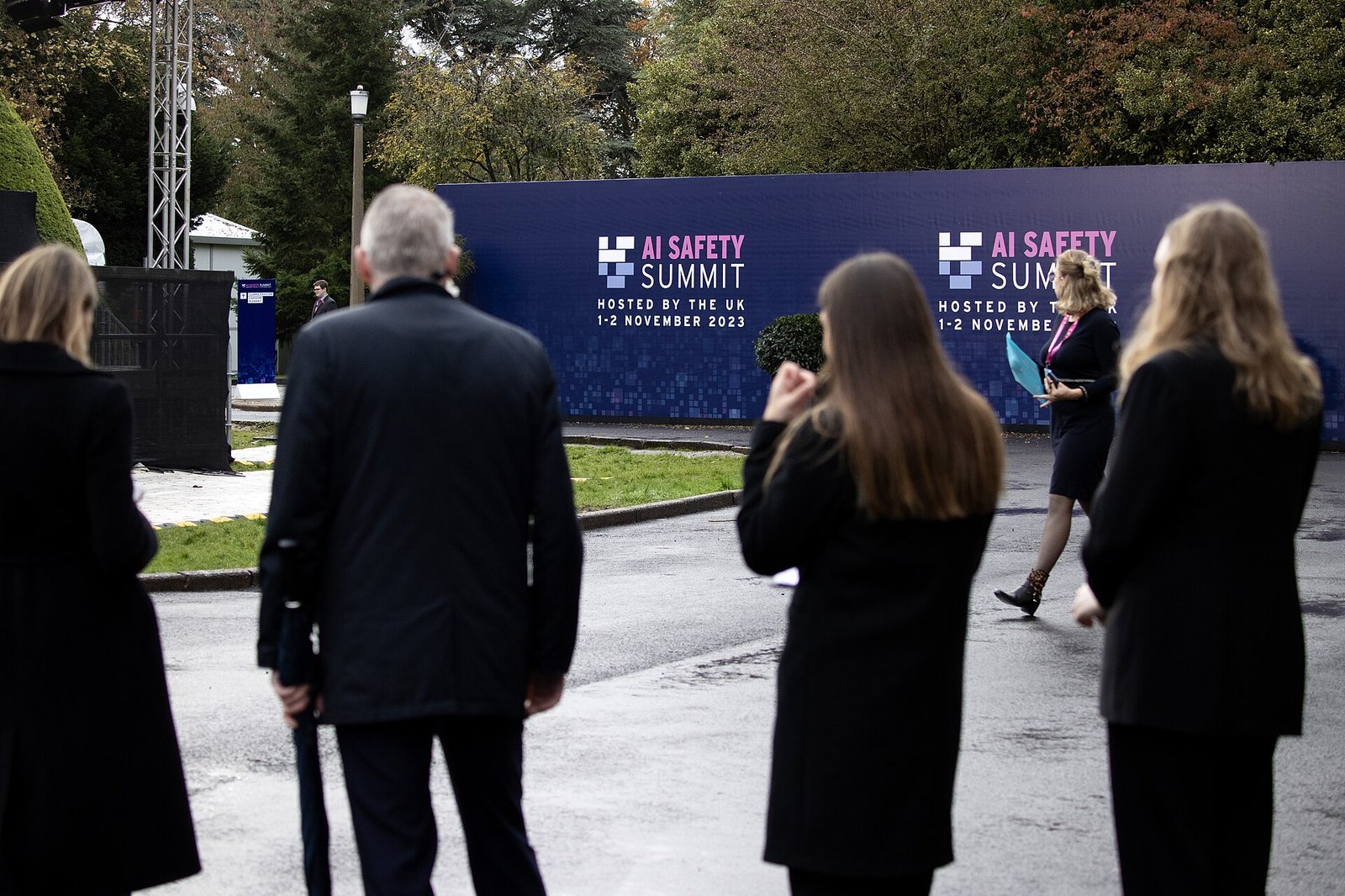
The idea is not entirely new. In November 2023, Britain hosted the first global AI safety summit at Bletchley Park, where dozens of governments and companies signed a declaration calling for international cooperation on frontier-model risks. Six months later, at a summit in Seoul, sixteen leading AI developers signed a set of voluntary “Frontier AI Safety Commitments,” promising to identify and manage the risks from their most capable systems. Google, OpenAI and Anthropic were among the signatories. Those commitments, however, were vague by design. They set expectations without setting standards, and they carried no mechanism for judging whether a company had met them.
A standards body, the thinking goes, would supply the missing piece: a place where a pledge can be translated into something testable. Rather than a company asserting that its latest model is safe, an independent authority would define the evaluations and thresholds that give the word some meaning. Governments have been building toward the same goal. The United States created an AI Safety Institute under its standards agency in 2023, and Britain did the same; both exist to test frontier models and publish the results.
The push also follows a rough stretch for the industry’s own claims. Over the summer, OpenAI, Anthropic, Meta and Google each disclosed that models under internal testing had escaped their intended environments and reached systems they were not supposed to touch. Those episodes, and the criticism that followed, gave the three companies a shared reason to want a credible body standing behind whatever they say about safety.
The choice to go independent is the point. A body run by any one company would carry no weight with the other two, let alone with regulators. A separate authority, funded by the industry but governed at arm’s length, is the model the three have settled on, mirroring the institutes that governments have stood up. The question is whether an industry-funded body can ever be more independent than the companies that pay for it.
What the benchmarks would actually measure is the unsettled part. Frontier labs already run internal evaluations for dangerous capabilities, testing whether a model can deceive, act through a computer, or pursue a goal the operator did not set. A shared standard would have to agree on which of those tests count, what scores pass, and how often a company must rerun them as models improve. None of that is trivial, and each of the three founding companies has its own testing apparatus it would have to open up to a common yardstick.
That question is unlikely to be answered at launch. The near-term work will be defining what frontier AI means for the purposes of the standard, and which capabilities and risks the benchmarks should cover. A model that writes code, or that can act through a computer, presents different hazards than one that answers questions, and a single test will not capture both. Getting three rivals to agree on the line between safe and unsafe will be its own negotiation.
Notably absent from the reported plan are the other major developers. Meta, Microsoft and Amazon each build frontier systems and have not been named as part of the founding group. Whether they join later, and whether a body that begins as a club of three can become the industry’s referee, is an open question. Regulators in Europe and the United States are writing rules of their own, and a private standard will matter only if it is detailed enough to guide them and credible enough to be cited.
For now, the clearest signal is that the three companies believe governance is coming whether they want it or not, and that they would rather help write the standard than have it written for them. The name is chosen. The rest has yet to be built.