Ken Griffin, the founder and chief executive of the hedge fund Citadel, has given $3 billion to Carnegie Mellon University, the largest gift from an individual to an institution of higher education on record. The university announced the donation on Tuesday, and Reuters, The New York Times and CNBC reported the details.
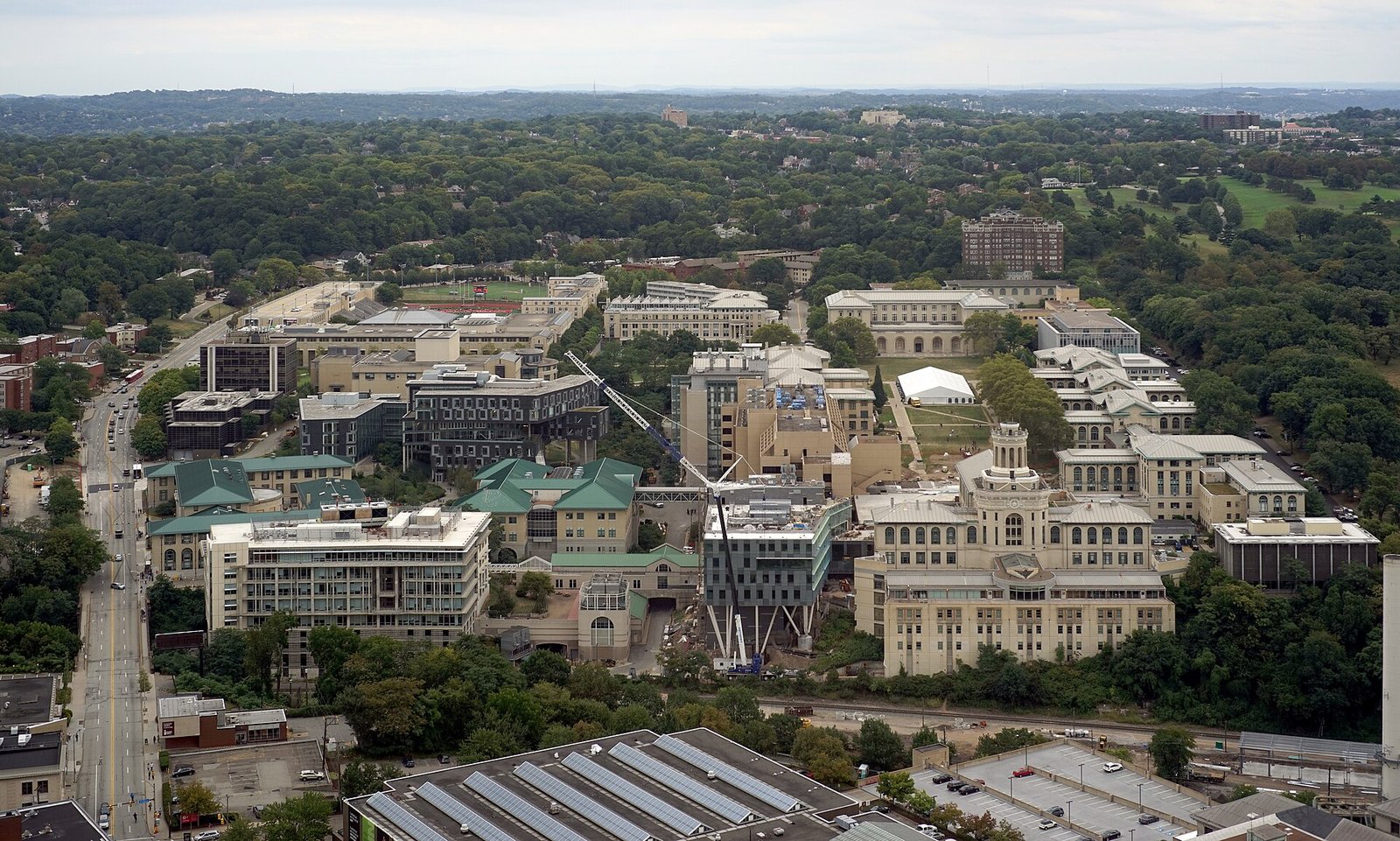
The money is split between two cities. About $2 billion will establish a new Carnegie Mellon campus in the Wynwood neighborhood of Miami. The other $1 billion will support the university’s home campus in Pittsburgh. Half of that, $500 million, goes to the School of Computer Science, which will be renamed the Kenneth C. Griffin School of Computer Science. The remaining $500 million provides flexible support for the university’s highest priorities.
The gift passes the previous record, a $2 billion donation from Nike co-founder Phil Knight and his wife Penny to Oregon Health & Science University announced in August 2025. That figure had itself only recently topped Michael Bloomberg’s $1.8 billion gift to Johns Hopkins University in 2018 for student financial aid. Griffin’s earlier gifts were smaller. He gave $300 million to Harvard University, his alma mater, in 2023, and $125 million to the University of Chicago in 2017, when Citadel was still based in that city.
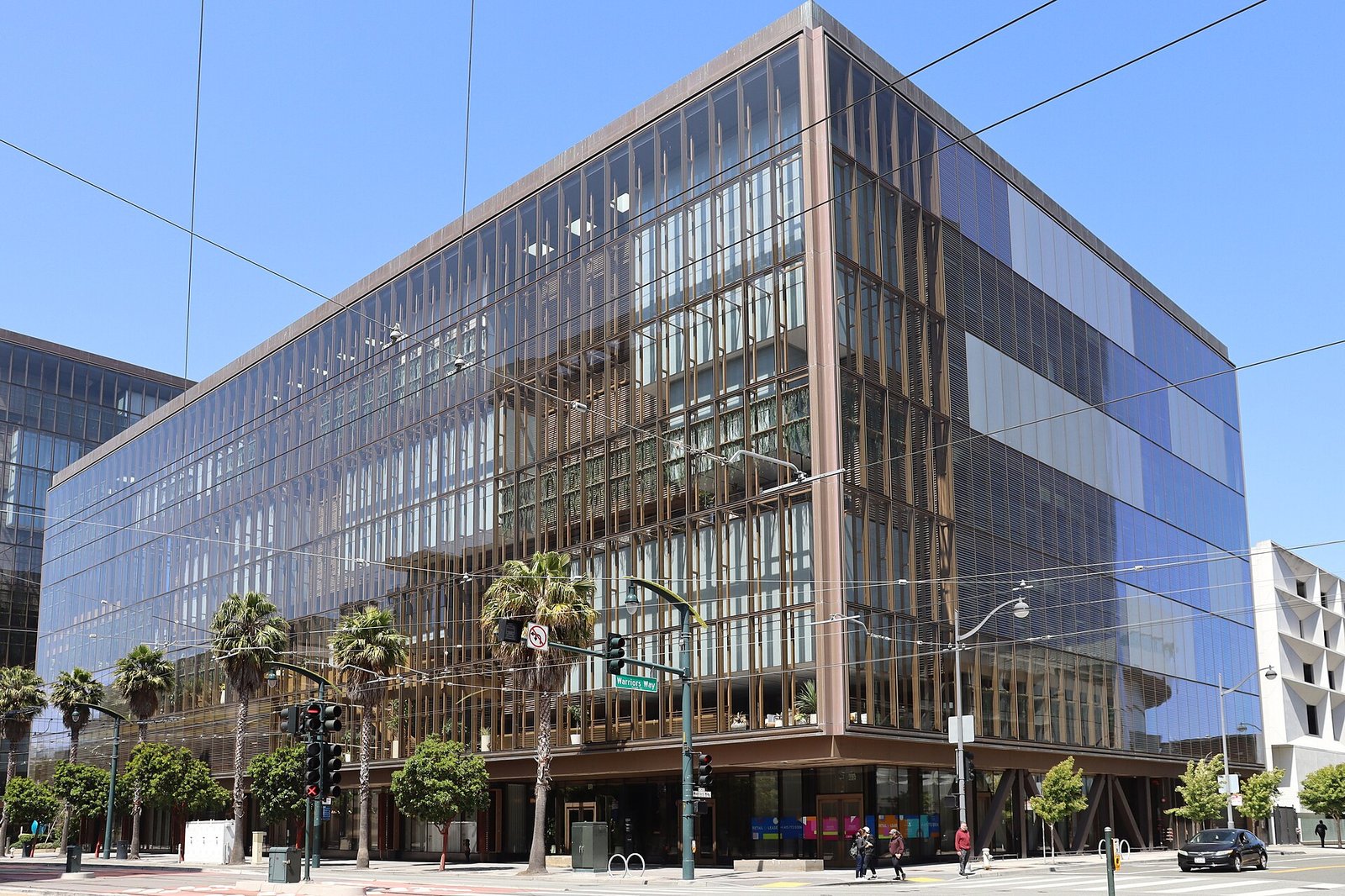
The Miami campus ties Griffin’s philanthropy to his own relocation. He moved Citadel’s headquarters to Miami from Chicago in 2022 and has since become one of the city’s most visible donors and promoters. The new campus extends a university best known for computer science, robotics and artificial intelligence into a region where Griffin has said he wants to build a financial and technology center. The Wynwood site sits among the galleries, restaurants and offices that have replaced the neighborhood’s warehouses.
Carnegie Mellon was founded in 1900 by the industrialist Andrew Carnegie, and its rise from a technical school for the children of steelworkers into a computing powerhouse is one of the clearer arcs in American higher education. Herbert Simon and Allen Newell, two of the field’s founders, did much of their work there, and the university built some of the earliest self-driving vehicles. Its graduates now feed the same AI industry that Griffin’s fund trades and finances. Putting a hedge fund executive’s name on the school is unusual, and the university’s president framed the gift in a campus message as confidence in the institution’s engineering, creativity and record of turning research into products.
The donation arrives as universities face pressure on several fronts: softening enrollment, political scrutiny of endowments, and public doubts about the cost of a degree. Large gifts have continued regardless. The Knights gave $1 billion to the University of Oregon a week ago, and health systems and museums have drawn ten-figure commitments. Griffin has now given more than $5.7 billion across education, health and economic-opportunity causes, according to the university.
For Carnegie Mellon, the money buys something rare: physical expansion at a time when many institutions are cutting programs and consolidating campuses. The university said the Miami campus will focus on areas where it is already strong, including computing and artificial intelligence, though it did not specify programs or a timeline. The Pittsburgh allocation, with half reserved for the computer science school, directs the gift toward the part of the university with the most outside demand.
Pittsburgh’s technology economy grew up around Carnegie Mellon, which drew satellite offices from Google, Uber, Apple and others eager to hire its engineers. Miami, by contrast, has spent years trying to convert its finance and real estate boom into a durable technology cluster. A campus in Wynwood is a bet that the two can be joined: Carnegie Mellon supplies the trained engineers, and Miami supplies the capital and the appetite for growth.
Business schools are commonly named for donors, and donors’ names appear on medical schools and science institutes. A computer science school named for a hedge fund founder is a newer arrangement, and it reflects how much the discipline has come to define both university fundraising and the economy. Carnegie Mellon’s program routinely ranks at or near the top of national lists, and its research labs draw funding from the same companies that recruit its students.
Griffin’s fortune makes the gift possible, and his standing makes it notable. He is among the richest people in the United States, with most of his wealth tied to Citadel and its market-making arm, and he has used part of it to move institutions rather than merely fund them. His gifts to Miami schools and cultural groups have followed his business interests, and the Carnegie Mellon donation extends that approach to higher education at a scale no individual has attempted before.
For Griffin, the gift follows a pattern. He founded Citadel in 1990 and built it into one of the world’s largest hedge funds, with a separate market-making arm that handles a large share of American stock orders. His largest donations have gone to institutions and cities where his own interests run deep: Harvard, Chicago, and now Miami, where Citadel is headquartered and where he has become a vocal advocate for the city’s schools and institutions. A university campus is a longer-lived commitment than a trading position, and the donation binds his name to the city he has made his base of operations.