A driverless taxi that stops in the middle of an emergency scene now carries a specific cost in California: up to $10,000. Governor Gavin Newsom signed SB 1246 on October 1, bringing autonomous-vehicle operators under a new set of rules aimed at the moments when their cars and an ambulance are trying to occupy the same street.
The law targets a narrow but dangerous failure. If a robotaxi blocks police or fire vehicles at an emergency for more than thirty minutes, the operator faces a fine of up to $10,000. The operator must also move a disabled vehicle out of the way on its own, rather than leaving it for emergency crews to work around. The rules take effect on July 1, 2028.
The measure is California’s answer to a problem its streets have already shown. The state has repeatedly seen autonomous vehicles come to a stop at accident scenes and fire responses, wedging themselves into the path of engines and ambulances. A driverless car has no one to wave off, and when one stalls in the wrong place it can sit there until a technician arrives.
That is more than an inconvenience. Firefighters work in minutes, and a blocked engine can delay a response to a burning building or a heart attack. The thirty-minute threshold in the law reflects the gap between how quickly first responders need to move and how quickly an unmanned vehicle can be cleared from their path.
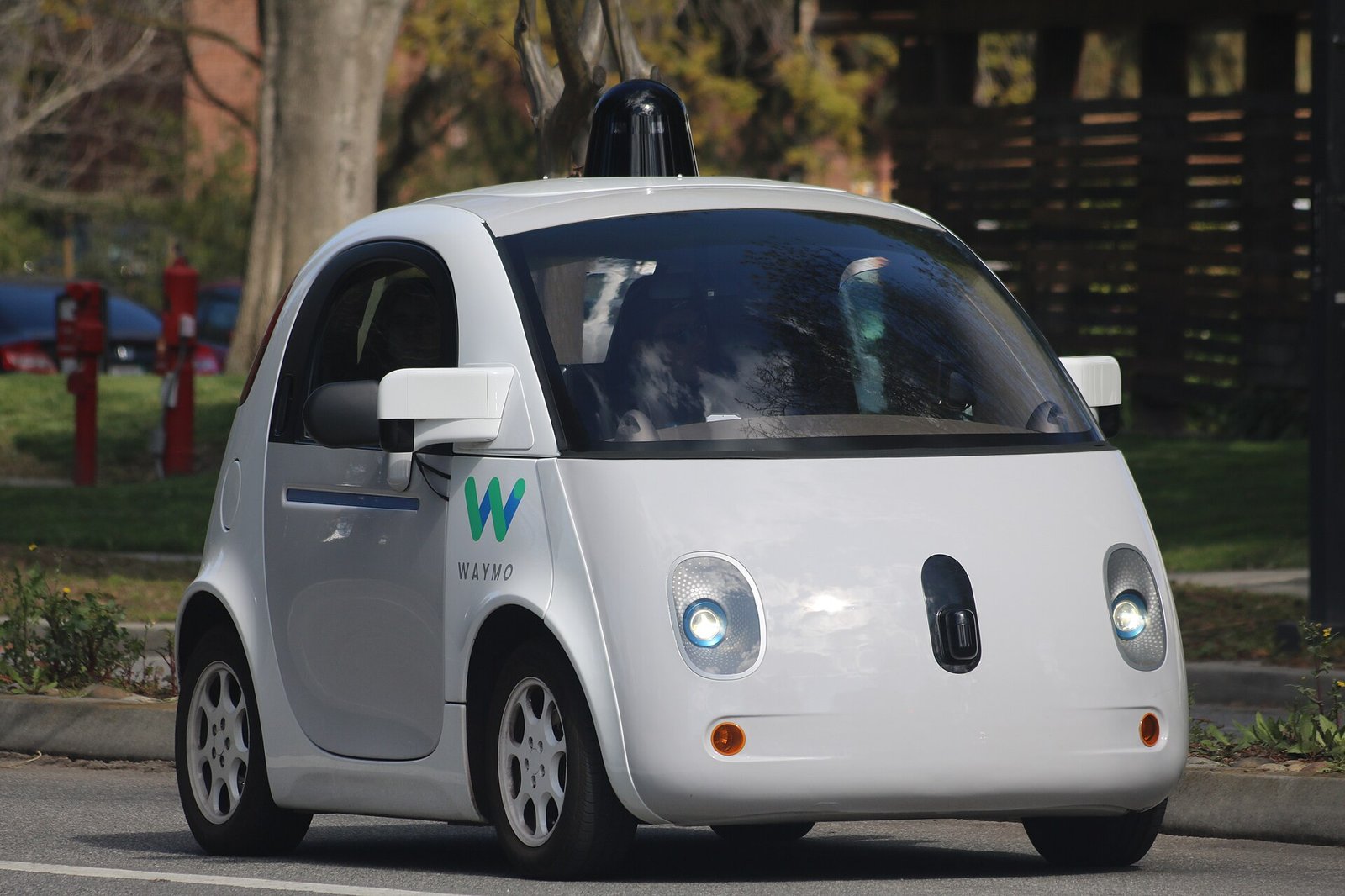
Waymo and Zoox are among the operators now running in the state, and their fleets have made driverless taxis a familiar sight on the streets of San Francisco and Los Angeles. The industry has argued that its vehicles are statistically safer than human drivers, and it has mostly won the argument about routine driving. Blocking an emergency lane is a different kind of failure, one that no crash-rate study captures.
The new law sits alongside the state’s broader push to regulate autonomous vehicles, which has swung between encouragement and caution. California has welcomed the companies, granted them permits and watched them expand, while also building a rulebook for the edge cases that crop up when thousands of driverless miles meet real-world chaos.
The companies affected are not small experiments. Waymo, a unit of Alphabet, and Zoox, owned by Amazon, run the most visible driverless fleets in the state, and their vehicles now complete millions of miles a year across San Francisco, Los Angeles and the roads between. A rule about how those cars behave at an emergency scene is, in practice, a rule about a service people across several cities already use.
Newsom’s signature keeps with a record that has cut both ways. The governor has welcomed the industry’s expansion and, in 2023, vetoed a bill that would have required a human aboard autonomous trucks, arguing the state should not stifle the technology. At the same time, his administration has kept the fleets’ safety record under scrutiny. SB 1246 fits that middle course: it lets the cars keep driving and prices the moments when they get in the way.
The law’s teeth will be tested by how well it can be enforced. Thirty minutes is a long time at a fire, and the fine applies to operators rather than to the vehicle, which means the penalty lands on a company’s books rather than on a driver who is not there. Whether a ten-thousand-dollar ceiling is enough to change behavior at firms spending billions on expansion is a question the first enforcement action will begin to answer.
The effective date of 2028 gives the industry time to comply, and the fine structure is designed to change behavior rather than to punish. Operators will have years to improve how their cars recognize emergency scenes and how quickly they can be retrieved. The cost of a single fine, set against the billions the companies have invested, is small; the cost of a blocked fire engine can be measured differently.
There is also a question the law does not fully answer: how a company moves a broken-down car that has no driver inside. The requirement to clear a disabled vehicle presumes the operator can reach it, tow it or drive it remotely. On a crowded street at an active fire, none of those is guaranteed, and the gap between what the law requires and what the technology can reliably do is where the next argument will play out.
The legislation is, at bottom, a recognition that the road is shared space. Autonomous vehicles have spent years proving they can navigate it under normal conditions. The remaining fights are about the abnormal ones, the flat tire on the highway shoulder and the stalled car at the corner of a burning block. California has now attached a number to one of those failures, and the industry has a little under two years to make sure it never has to pay it.