
Elon Musk has spent years trying to buy his way out of dependence on other companies’ chips. His next move may be to build them himself.
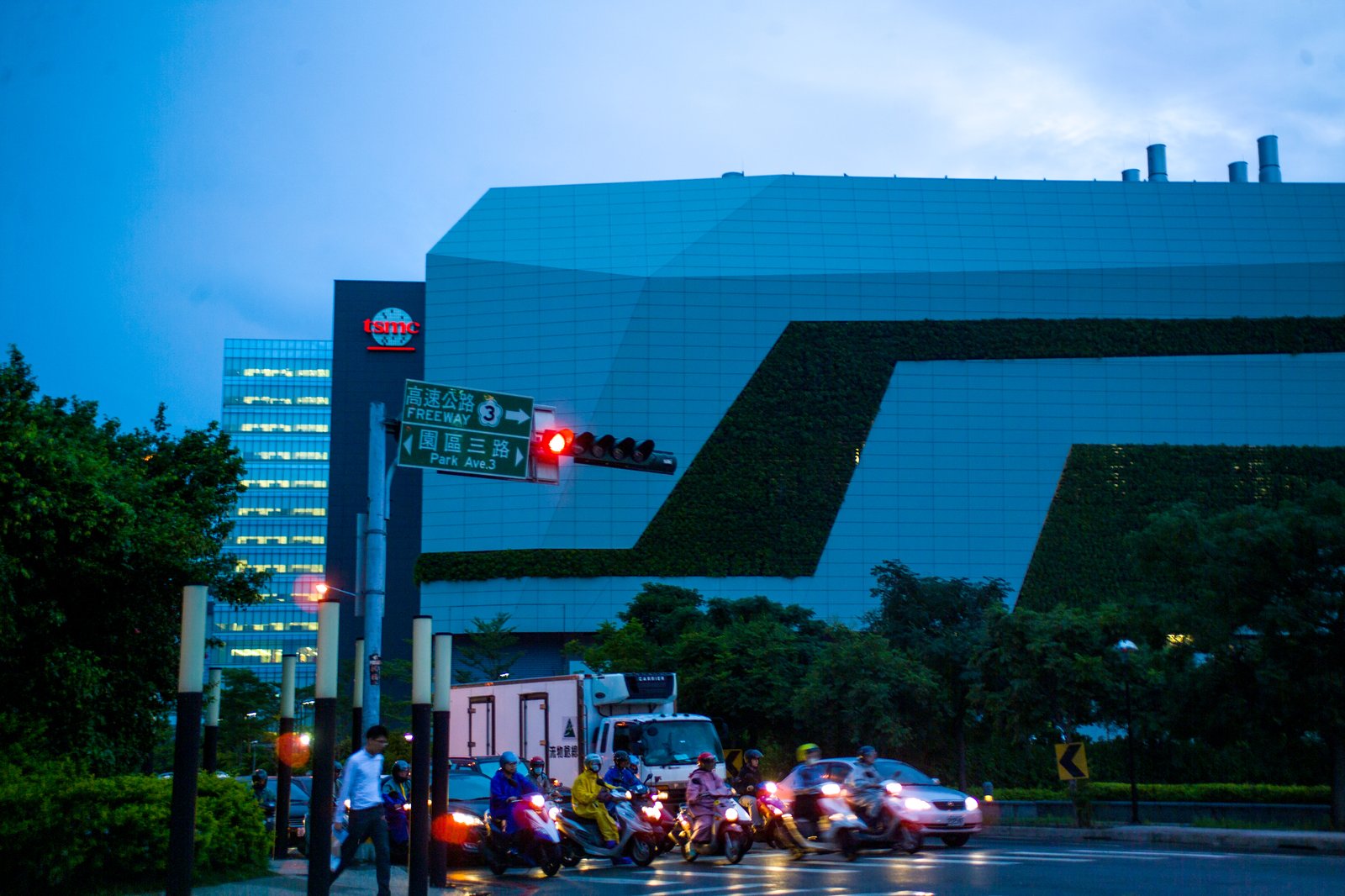
On October 3, Musk confirmed that Terafab, the semiconductor project backed by SpaceX and Tesla, is in talks with TSMC, the world’s largest contract chipmaker. The disclosure followed reports that TSMC is evaluating whether to operate a new fabrication plant in Texas. Tom’s Hardware noted that Intel is the only other partner to have been named publicly, and that Terafab’s capacity is earmarked exclusively for Tesla, SpaceX and xAI.
The Texas detail is the telling one. Musk has placed the project’s self-built capacity in the same state where TSMC is said to be weighing a second U.S. site. TSMC already operates plants in Arizona, where it has been expanding for years to serve American customers under pressure from Washington to move more manufacturing onshore. A deal with Terafab would hand the foundry a customer base of exactly three companies, all of them controlled by Musk.
The arrangement would solve a problem Musk has described for years. His businesses run on silicon made by others: Tesla’s driver-assistance systems and its Dojo training computers, xAI’s data centers, and the hardware inside SpaceX’s rockets and satellites all depend on advanced chips. As demand for AI accelerators has outstripped supply, Musk has called the shortage the single biggest constraint on his companies’ growth. A dedicated fab, financed in part by the very companies that will consume its output, is an attempt to remove that constraint.
For TSMC, the appeal is more complicated. The company’s American plants are among its most expensive operations, and its executives have long said that building in the United States costs more than building in Taiwan. But TSMC’s biggest customers, from Apple to Nvidia, have pressed it to spread production beyond an island that sits under the threat of a conflict with China. A Texas plant, whatever its ownership structure, would advance that goal while giving TSMC another anchor in a market that is now the center of the AI boom.
Intel’s presence on the short list is notable for a different reason. The company has spent years trying to build a foundry business that would compete with TSMC, leaning on government support to keep its fabs running. Being named as the second partner to Terafab, even while talks continue, signals that Intel’s manufacturing arm is being taken seriously as an alternative to the Taiwanese leader, a role Intel has chased for a decade with uneven results.
The exclusivity clause is the sharpest part of the plan. Terafab’s output would not be sold on the open market. It would flow to three companies, all of them under Musk’s control. That makes Terafab less a conventional chipmaker than a captive supplier for one industrial empire, an unusual structure for an industry that has always spread its costs across many customers.
The scale of the demand explains the urgency. xAI has stood up some of the largest computing clusters ever assembled, each of them hungry for the most advanced accelerators TSMC can make. Tesla, meanwhile, is betting its future on driver-assistance software that runs on custom silicon. Musk has said publicly that his companies could consume more chips than any supplier is willing to guarantee, which is the practical argument for owning the factory rather than renting its output.
The timing is not accidental. Musk’s AI ambitions have grown fast enough that chip supply has become a strategic question rather than a purchasing one. Each new data center and each new chip generation multiplies the demand, and Musk has publicly weighed the limits of what outside suppliers can deliver on his schedule.
The geopolitical backdrop runs in both directions. The United States has spent billions to lure chip manufacturing back from Asia, and a Texas fab would sit squarely inside that policy. But any deal also depends on TSMC, a Taiwanese company whose government has kept tight controls on how much of its most advanced process technology can be built abroad. A partnership with Terafab would have to thread that needle.
None of it is settled. The talks are early, and Musk’s manufacturing projects have a record of ambitious promises that arrive later than planned. The reports of a Texas evaluation stop short of a signed agreement, and the details of who would own, run and fund the plants remain unresolved, according to people familiar with the discussions.
What is already clear is the direction. Musk is moving from customer to supplier in the chip business, and he has chosen the two companies best positioned to build the capacity his companies need. Whether either one takes the job will say as much about the next phase of the chip industry as it does about Musk.



