
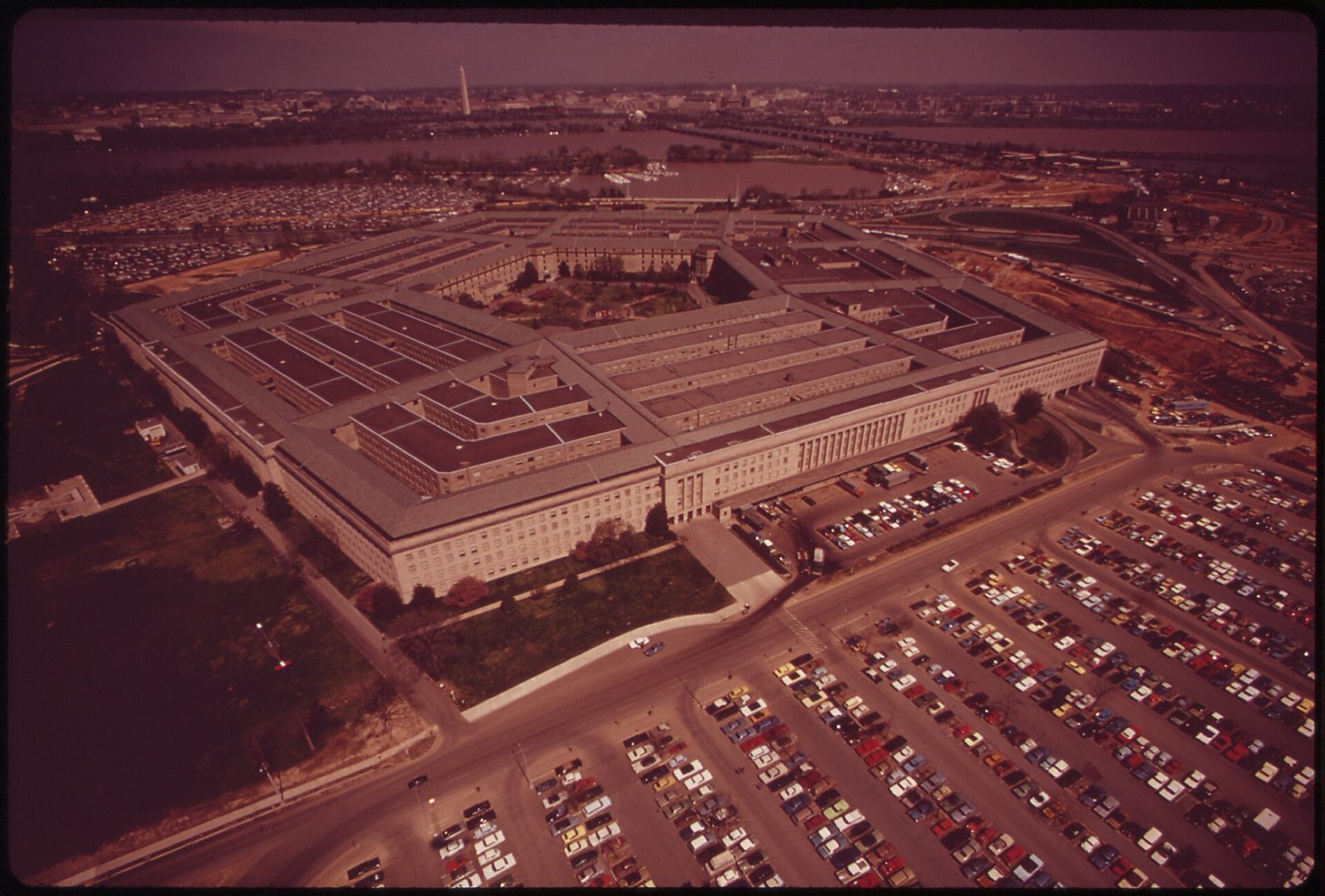
The confirmation came in a sentence delivered to the BBC on Sunday. “The Pentagon has ceased the use of Anthropic products,” a Defense Department official said, closing a six-month phase-out that had looked, for most of that time, as though it was not actually happening.
The order to stop had been given in February. Defense Secretary Pete Hegseth designated Anthropic a supply-chain risk on national security grounds and set a deadline of late August for the department to stop using its tools. The designation followed a dispute over the limits Anthropic places on military use of its models, according to the BBC, which reported that the company had refused to allow its technology to be used in ways it said could enable mass surveillance or autonomous weapons.
What happened between February and October is the part the Pentagon’s one-sentence confirmation does not capture. Multiple people familiar with the matter told the BBC that, as recently as last week, Claude was still being used across the department in research, analysis and intelligence gathering, and in military operations against Iran. The blacklist was on the books; the model was still running.
The reason was structural rather than defiant. Claude had been embedded in Maven Smart System, the Pentagon’s primary platform for organizing intelligence data, which is operated by Palantir. Analysts use Maven to pull together satellite imagery and drone footage, and that data then flows into Claude and other large language models for tasks such as identifying potential military targets. Officials relied on the tools when compiling the one-page briefs that move up the chain of command, according to a person who was given a demonstration of Maven by Palantir earlier this year.
That integration made removal slow. Lauren Kahn, a senior research analyst at Georgetown’s Center for Security and Emerging Technology, said Claude was so deeply woven into Maven that extracting it quickly would have been difficult. “The fact that it took the Pentagon until now to remove all use of Claude from across the system is indicative that these things are not just plug and play,” she told the BBC.
The department did not idle while the phase-out dragged on. It has expanded contracts with OpenAI, Google and xAI to fill the gap, according to reports, which suggests the Pentagon’s objection was never to AI in its systems but to Anthropic specifically. The distinction matters because it frames the fight as one about a single company’s rules rather than about the technology itself.
The dispute has not stayed inside the department. Anthropic sued the federal government over the designation, and a U.S. appeals court upheld the Pentagon’s decision, keeping Claude barred from Defense Department systems. The company has argued that the label, a law normally reserved for companies based in countries that pose a threat to the United States, was applied inappropriately to an American firm.
The timing sharpens the stakes for Anthropic. The company is preparing an initial public offering and has signaled it wants to list before Thanksgiving, with a valuation target that has been reported as high as $1.8 trillion to $2 trillion. Government orders were supposed to be a growth line, and the loss of the Pentagon as a customer, even a reluctant and contested one, removes a piece of that story. Analysts said the uncertainty around federal contracts is now a variable investors will weigh against the company’s breakneck commercial growth.
For the other labs watching the dispute, the lesson is uncomfortable in a different way. Anthropic’s safety rules are the very thing it sells to commercial customers, and the same restrictions that cost it the Pentagon are part of what makes its models attractive to enterprises wary of how their data is used. The company has been forced to choose between a government contract and the positioning that drives the rest of its business, and it chose the positioning.
For the Pentagon, the episode exposes a different tension. The department has made AI the center of its modernization pitch, and it has been willing to designate one of the most capable American labs a risk while its own analysts kept using the lab’s products through the summer. The gap between the policy and the practice, closed only last week, is the part that will linger after the procurement paperwork is done.
Anthropic has not disputed that its models were used for military work; its objection has been to the terms under which they would be. The company’s safety rules, which it has marketed as a core part of its identity, are what set off the clash with Hegseth in the first place. Now the Pentagon says the products are out of its systems, and Anthropic is free to take that dispute to the public markets. Neither side came away looking entirely in control of the timeline.



